
French heatwave cuts nuclear output, day-ahead power prices surge 22%
 Scan to share
A new heatwave in France is hitting its nuclear power supply, with effects quickly transmitting to the electricity market. On Tuesday morning local time, LSEG data showed French day-ahead power prices rose as much as 21.8% to €142.5 per megawatt-hour, equivalent to approximately $164.39. The direct cause of the price surge is that operators expect nuclear output to be constrained during the midday peak demand period on Wednesday.
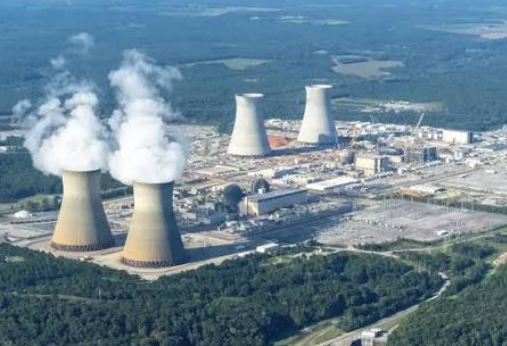
Data from French utility EDF shows that due to this week's heatwave, France's nuclear generation capacity on Wednesday is expected to be reduced by 7.3 gigawatts, equivalent to 12% of total installed capacity. This marks at least the fifth time France has experienced extreme heat since June. For a country where about 70% of electricity comes from nuclear power, fluctuations in nuclear output can significantly affect electricity prices and supply-demand balance.
The reduction in nuclear plant output is mainly related to deteriorating cooling conditions. Many French nuclear power plants rely on river water to cool their reactors, but persistent high temperatures have lowered river levels and raised water temperatures, limiting the plants' ability to draw and discharge water. Meanwhile, the heatwave has also boosted cooling demand from air conditioners and other refrigeration equipment, pushing up electricity consumption and creating dual pressure from reduced supply and increased demand.
Similar situations are not unprecedented. In mid-July, France also cut nuclear output by 6.4 gigawatts due to persistent high temperatures and rising river water temperatures. This summer, frequent and prolonged heatwaves have made the vulnerability of the nuclear power system under extreme weather more pronounced, and have also made European electricity markets more sensitive to weather changes.
High temperatures and low water levels have also affected Central and Eastern Europe. With the Danube River falling to its lowest level in 90 years, Hungary and Romania have both been forced to adjust nuclear plant operations in recent weeks. At Hungary's Paks nuclear power plant, one turbine resumed generation after rainfall in Austria helped raise the Danube's water level; Romania, meanwhile, has taken measures such as blasting rock layers and sinking stone-laden barges to alter the Danube's flow, ensuring cooling water for the reactors at the Cernavodă nuclear power plant.
Disclaimer: Information republished from partner media, institutions or other websites is provided for reference and communication purposes only. It does not imply endorsement of its views or verification of its accuracy. Please contact us if any content infringes rights or requires correction.