
First Fuel Loading Officially Begins at Tianwan Nuclear Power Plant Unit 7
 Scan to share
On August 12, as the first fuel assembly was precisely and safely loaded into its designated position in the reactor core, the first fuel loading officially began at Unit 7 of the Tianwan Nuclear Power Plant, which is invested and controlled by China National Nuclear Corporation (CNNC)'s China Nuclear Power. This marks a solid foundation for subsequent reactor criticality and commercial operation.
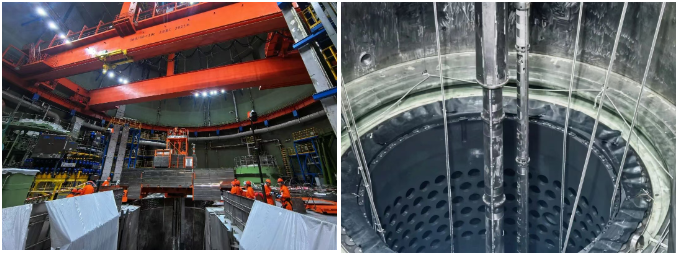
First fuel loading is the core procedure of implanting the "energy heart" into a nuclear reactor. As a key milestone in the full lifecycle of nuclear power construction, it not only serves as a comprehensive test of the unit's years of engineering construction quality, system commissioning level, and safety management capability, but also represents the critical starting point for the unit's nuclear-powered operation.
It is understood that this fuel loading is the first-ever loading for a VVER-1200 unit in China, requiring a total of 163 nuclear fuel assemblies to be loaded. The process consists of three parts: fuel assembly transfer, fuel loading into the reactor core, and verification of loading correctness. The fuel loading into the reactor core adopts a fully automated remote loading control system. During loading, staff closely monitor the safe and orderly refueling process from the refueling machine control room located 30 meters away from the reactor hall. The precision of each fuel assembly loaded into the core is controlled to the millimeter level, making the entire process comparable to "embroidery with a flying needle." Upon completion of all loading work, the unit will enter the nuclear commissioning phase.
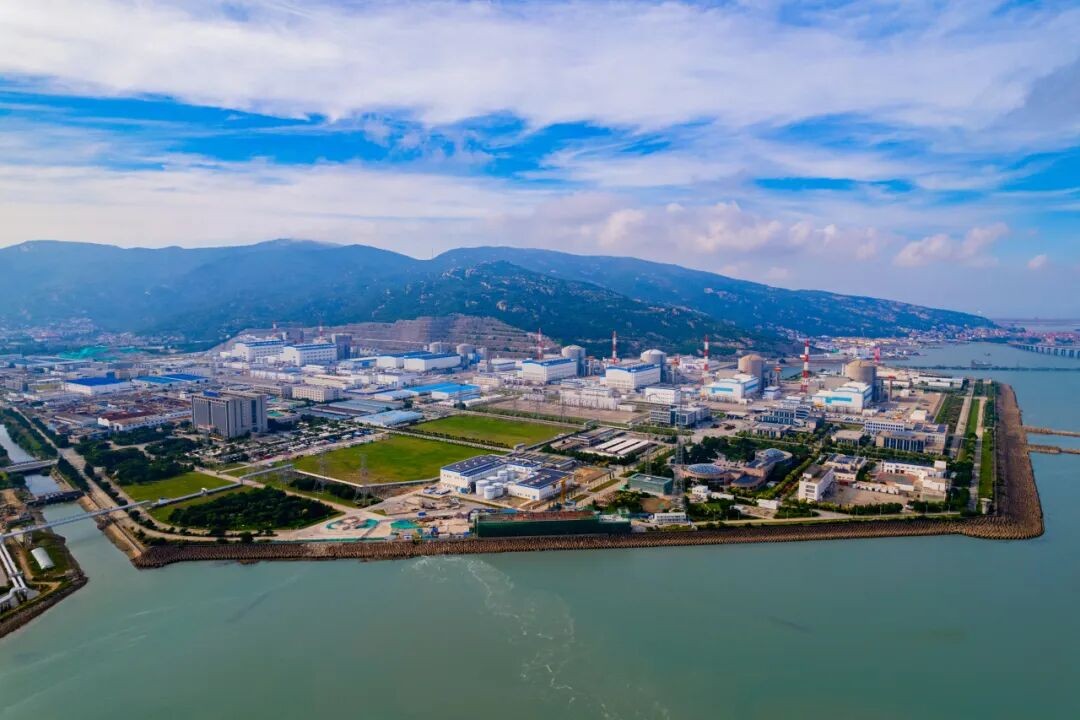
CNNC's Tianwan Nuclear Power Plant is a model project of China-Russia nuclear energy cooperation and is the nuclear power base with the largest total installed capacity among units under construction and in operation worldwide. To date, Units 1-6 of Tianwan Nuclear Power Plant have maintained safe and stable operation over the long term, with cumulative safe grid-connected power generation exceeding 500 billion kWh, and multiple safety operation indicators ranking among the top of similar units globally.
Units 7 and 8 of Tianwan Nuclear Power Plant, whose groundbreaking was witnessed via video link by the heads of state of China and Russia, are a "flagship project" and also the largest strategic cooperation project in the nuclear energy field between the two countries to date. Each of Units 7 and 8 has a single-unit installed capacity of 1.265 million kW, with an annual power generation capacity of nearly 10 billion kWh per unit and a design service life of 60 years. Currently, the cold functional test for Unit 8 has been completed. According to the project construction plan, Units 7 and 8 of Tianwan Nuclear Power Plant will be put into commercial operation in 2026 and 2027, respectively. Once all units at the Tianwan Nuclear Power Plant base are operational, the total installed capacity will exceed 9 million kW, with annual clean power supply exceeding 70 billion kWh, reducing carbon dioxide emissions by 57.4 million tons per year. This will inject strong nuclear power into optimizing the energy structure of East China, ensuring regional energy security, supporting the national "dual carbon" goals, and promoting green, low-carbon, high-quality development.
Disclaimer: Information republished from partner media, institutions or other websites is provided for reference and communication purposes only. It does not imply endorsement of its views or verification of its accuracy. Please contact us if any content infringes rights or requires correction.