
Tianwan Tidal Flat PV Project Surpasses One Million Kilowatts to Build a Nuclear-PV-Storage Hub
 Scan to share
Recently, the cumulative grid-connected capacity of the CNNC Tianwan 2-million-kilowatt tidal flat photovoltaic demonstration project, located in the thermal discharge sea area of Tianwan Nuclear Power Station in Lianyungang, Jiangsu Province, has exceeded 1 million kilowatts, marking a breakthrough of 77% in the construction progress of the world's first "nuclear-thermal-PV-storage" multi-energy complementary demonstration project and a key step toward the goal of full-capacity commissioning by the end of the year.
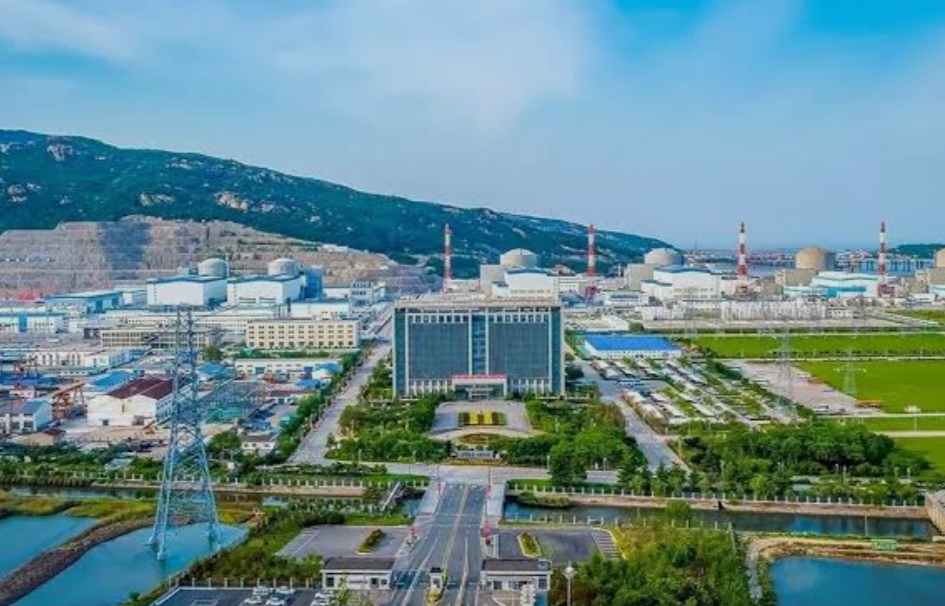
It is understood that the project covers approximately 28,300 mu of sea area and is the largest offshore photovoltaic project in China as well as a project in the third batch of national large-scale wind and photovoltaic bases. Its core innovation lies in the three-dimensional composite utilization of sea areas—the water body retains the circulating function of nuclear power thermal discharge, while photovoltaic arrays are installed on the sea surface, achieving "dual use of a single sea area" without additional land occupation; the project's supporting 220 kV transmission channel and energy storage station have been successively put into operation, providing solid peak-shaving support for photovoltaic consumption.
In terms of system value, the project uses nuclear power as a stable baseload "ballast stone," combines photovoltaic daytime green electricity with energy storage to smooth fluctuations, and builds an integrated "nuclear-PV-storage" regulation system. After full-capacity commissioning, the project is expected to generate approximately 2.234 billion kWh of electricity annually. Deeply coupled with Tianwan Nuclear Power's operating and under-construction units, it will jointly form a giant clean energy demonstration base with a total installed capacity exceeding 10 million kilowatts.
The Tianwan practice has successfully verified the feasibility of same-site coupling of nuclear power with offshore new energy in terms of space utilization, grid dispatch, and economic viability. Relying on the existing transmission channels and operation and maintenance systems of nuclear power, this model not only reduces supporting grid investment but also provides a replicable template for China's coastal existing nuclear power bases to integrate photovoltaics, energy storage, nuclear energy steam supply, and other multi-business formats, upgrading from a single nuclear power source to a comprehensive energy hub.
Disclaimer: Information republished from partner media, institutions or other websites is provided for reference and communication purposes only. It does not imply endorsement of its views or verification of its accuracy. Please contact us if any content infringes rights or requires correction.