
Vietnam accelerates nuclear power workforce training, Ninh Thuan 1 project targets commercial operation in 2037-2038
 Scan to share
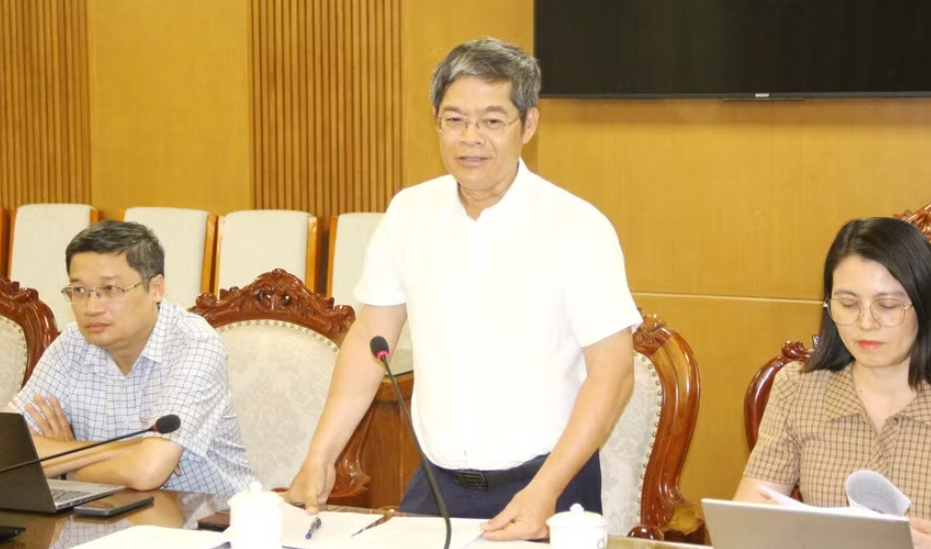
On the afternoon of August 12, Vietnam's Deputy Minister of Education and Training Pham Quang Hung held a working meeting with Vietnam Electricity (EVN) to focus on the implementation of human resource training plans in the nuclear power sector. EVN Deputy General Director Nguyen Tai Anh stated that the group has preliminarily identified 120 key positions required for nuclear power plant operation, as well as 320 core personnel who currently need training and reserve development. As Vietnam plans to build a workforce meeting nuclear power operation requirements by 2035, relevant training must be planned as early as possible and accelerated.
The Ninh Thuan 1 Nuclear Power Project is Vietnam's first nuclear power project, with EVN as the investor. The project was suspended in 2016 due to national resource coordination needs, and was restarted at the end of 2024 under major policies of the Communist Party of Vietnam and the National Assembly. The project has a planned installed capacity of 2,400 MW and is expected to enter commercial operation between 2037 and 2038, aiming to provide clean, safe, and sustainable electricity for Vietnam's economic growth, while serving energy security and the commitment to net-zero emissions by 2050.
In terms of staffing scale, Rosatom predicts that the Ninh Thuan 1 nuclear power plant will require approximately 1,700 employees, including about 1,300 direct operation personnel and 400 indirect personnel for management, logistics, and other support functions. To ensure nuclear safety, approximately 1,000 key personnel must also pass examinations and obtain operation qualification certificates issued by regulatory authorities. EVN emphasized that Vietnam hopes its domestic personnel can master and operate the nuclear power plant in accordance with International Atomic Energy Agency standards, rather than relying on foreign experts long-term, which means the training system must not only meet quantitative demands but also achieve rigorous professional and safety standards.
The meeting also reflected multiple challenges facing nuclear power workforce training, including insufficient enrollment attractiveness, high selection standards, strong specialty-specific requirements, and inadequate publicity coverage. EVN recommended that the Ministry of Education and Training strengthen publicity for students eligible to study in Russia, expand the enrollment target pool, and negotiate with the Russian side to extend the time for application preparation and online document submission. Meanwhile, EVN hopes that Vietnamese universities participating in the "Project 1012" will promptly cooperate with Russian universities to develop joint training programs in the nuclear energy field, such as a "2+2" undergraduate model or a "2+3.5" engineer model, allowing students to study Russian concurrently while studying in Vietnam, thereby shortening the overall training cycle and enhancing enrollment flexibility.
Pham Quang Hung pointed out that one of the important reasons for the unsatisfactory early enrollment results was insufficient coordination among relevant parties. He suggested that EVN take the lead in organizing enrollment publicity, with the Ministry of Education and Training providing support and designating coordination personnel, and that both sides quickly unify enrollment information, targets, standards, and implementation methods. For domestic enrollment, consideration could be given to establishing targeted training, selection, and funding mechanisms from the enrollment stage, with pilot implementation starting this year; for overseas training, as long as coordination among parties is effective, fulfilling the 320 scholarship quotas is not difficult. Relevant units should also promptly designate contact persons, broaden training specialty directions, and make advance preparations for next year's enrollment and long-term nuclear power talent reserves.
Disclaimer: Information republished from partner media, institutions or other websites is provided for reference and communication purposes only. It does not imply endorsement of its views or verification of its accuracy. Please contact us if any content infringes rights or requires correction.