
Jellyfish Blockage Forces Shutdown of French Nuclear Units; Experts Say Shutdown Demonstrates Effectiveness of Safety Systems
 Scan to share
France's Gravelines Nuclear Power Plant recently shut down some of its units again after large numbers of jellyfish entered the water intake system. On August 11, reactors 2, 3, and 4 at the plant were forced to shut down due to blockage in the seawater cooling pump system, reactor 1 was reduced to half power operation, reactor 5 was under maintenance at the time, and only reactor 6 continued normal operation. EDF (Électricité de France) stated that the incident had no impact on nuclear safety, personnel, or the environment, and the affected units would be restarted in phases.
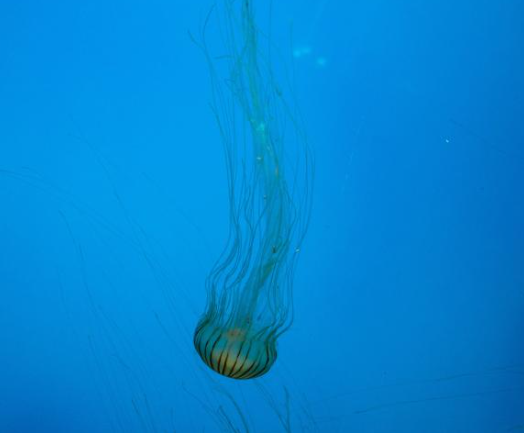
Located in northern France, the Gravelines Nuclear Power Plant is one of the largest nuclear power plants in Western Europe. Similar situations have occurred before. In August 2025, four reactors at the plant automatically shut down after jellyfish clogged the cooling water intakes; a month later, a similar incident occurred at the Paluel Nuclear Power Plant in Normandy, France, where one reactor was safely shut down and another was preventively reduced in power.
The massive aggregation of jellyfish is linked to factors such as rising seawater temperatures, extended breeding seasons, reduced predator populations, and overfishing. Jellyfish have limited swimming ability and drift mainly with ocean currents; when they encounter a nuclear power plant's seawater intake system, they are easily drawn into the intake by strong suction. Their soft, gelatinous bodies can sometimes pass through primary filtration facilities and accumulate in finer cooling system components downstream, thereby affecting water flow.
Gert Van den Eynde, head of the Reactor Physics and Safety Expert Group at the Belgian Nuclear Research Centre (SCK CEN), stated that such incidents should not be simply interpreted as the nuclear power plant being "unsafe." On the contrary, they demonstrate that safety systems function as designed. When cooling water flow drops below the set threshold, the plant activates built-in safety procedures, reducing power or shutting down as necessary.
Safe operation of a nuclear reactor relies on three core functions: controlling the chain fission reaction, continuously removing residual heat, and preventing radioactive material from entering the environment through containment barriers. The jellyfish blockage incident involves the second function, namely heat dissipation. Even after the reactor has been shut down and the fission chain reaction has stopped, the core continues to release decay heat, which must be continuously removed by the cooling system to prevent fuel assemblies from overheating.
When the normal cooling water system is obstructed, the plant's active safety systems perform monitoring, decision-making, and execution in sequence: sensors first identify abnormal cooling flow, the control system then makes decisions such as power reduction or shutdown accordingly, and automatically executes the corresponding actions. If conventional measures are insufficient to restore safety margins, the emergency cooling system takes over to continue providing cooling for the reactor fuel assemblies.
Van den Eynde pointed out that the "redundancy" principle in nuclear power plant safety design is precisely intended for such external disturbances. That is, when one cooling path or piece of equipment is affected, other backup systems can be brought into service to ensure the reactor remains in a safe state. The consecutive jellyfish blockage incidents in 2025 and 2026 reflect more that coastal nuclear power plants need to address new marine ecological disturbances, while also demonstrating that the relevant shutdown and cooling protection mechanisms can function under abnormal conditions.
Disclaimer: Information republished from partner media, institutions or other websites is provided for reference and communication purposes only. It does not imply endorsement of its views or verification of its accuracy. Please contact us if any content infringes rights or requires correction.