
South Korea's domestically developed lunar radiation detector to travel to the Moon aboard NASA commercial lunar lander
 Scan to share
The Korea AeroSpace Administration (KASA) announced on August 17 that the Lunar Space Radiation Detector (LVRAD), independently developed by South Korea, will be mounted on a lander under NASA's Commercial Lunar Payload Services (CLPS) program to conduct observations of the radiation environment on the lunar south pole surface. The two sides signed the relevant implementation agreement on August 14.
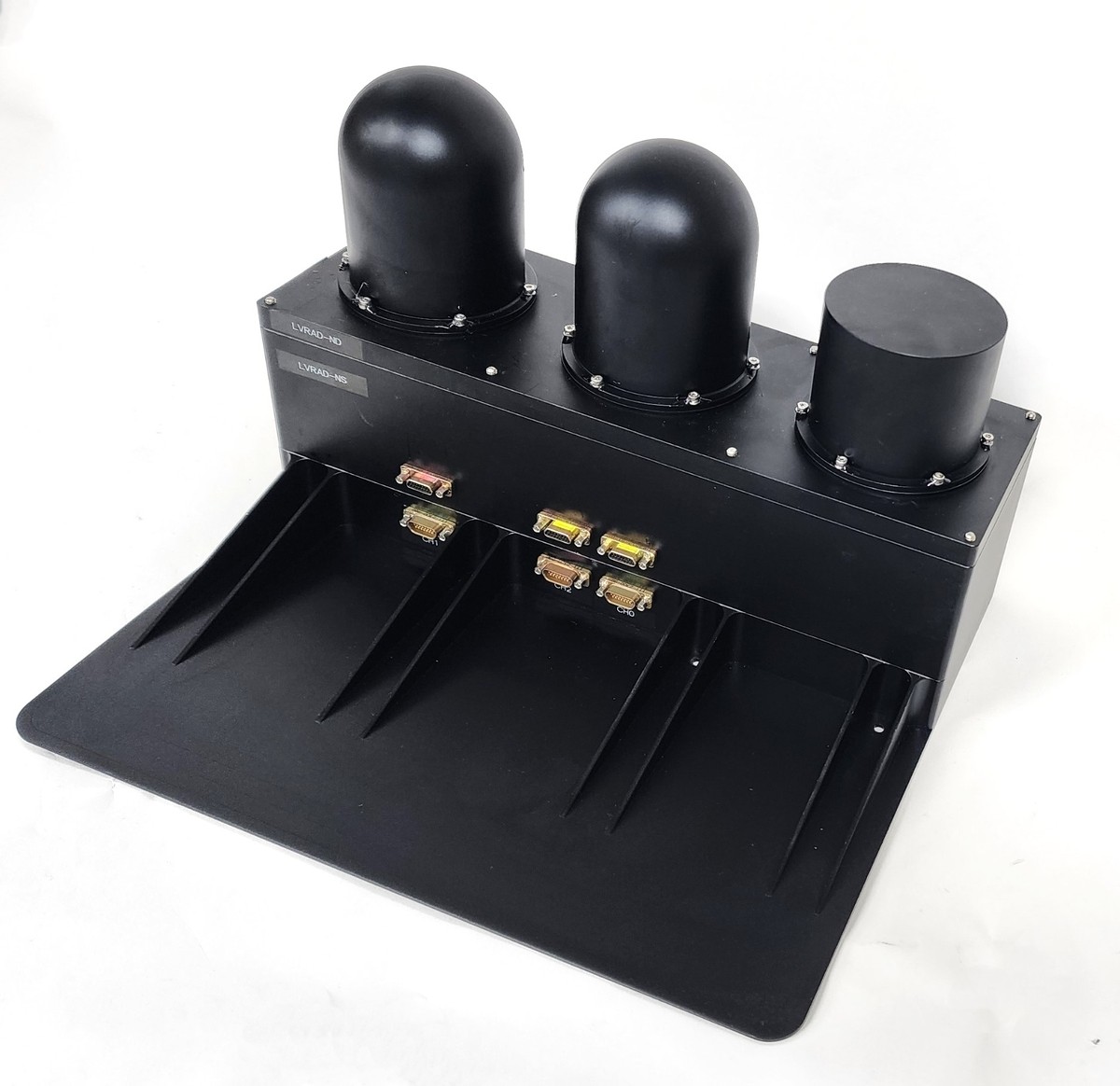
Under the agreement, KASA plans to complete the development of the flight model of the detector by next year and deliver the equipment to the United States in accordance with the NASA lunar lander mission schedule. NASA will be responsible for integrating the Korean-developed detector onto the commercial lunar lander and supporting its operation and data transmission on the lunar surface after launch.
LVRAD consists of a cosmic radiation dose-energy spectrometer for measuring radiation transmission and a neutron spectrometer for observing the neutron environment. The data it acquires will be used to study the potential effects of radiation entering the lunar surface on landers, astronauts, and crewed and uncrewed lunar exploration missions.
The commercial lunar lander carrying LVRAD is developed by Intuitive Machines, and will carry a total of seven observation instruments, including the Korean detector. KASA stated that this implementation agreement will help advance cooperation between KASA and NASA in areas related to future lunar bases.
Disclaimer: Information republished from partner media, institutions or other websites is provided for reference and communication purposes only. It does not imply endorsement of its views or verification of its accuracy. Please contact us if any content infringes rights or requires correction.