
Russian Kursk NPP VVER-TOI Unit Completes Annual Power Generation Plan Ahead of Schedule
 Scan to share
The new VVER-TOI unit at Russia's Kursk Nuclear Power Plant has completed its annual power generation plan four months ahead of schedule. As of August 25, the unit had delivered over 4.46 billion kWh to Russia's Unified Energy System, bringing the plant's total generation nearly 50% above the national plan target.
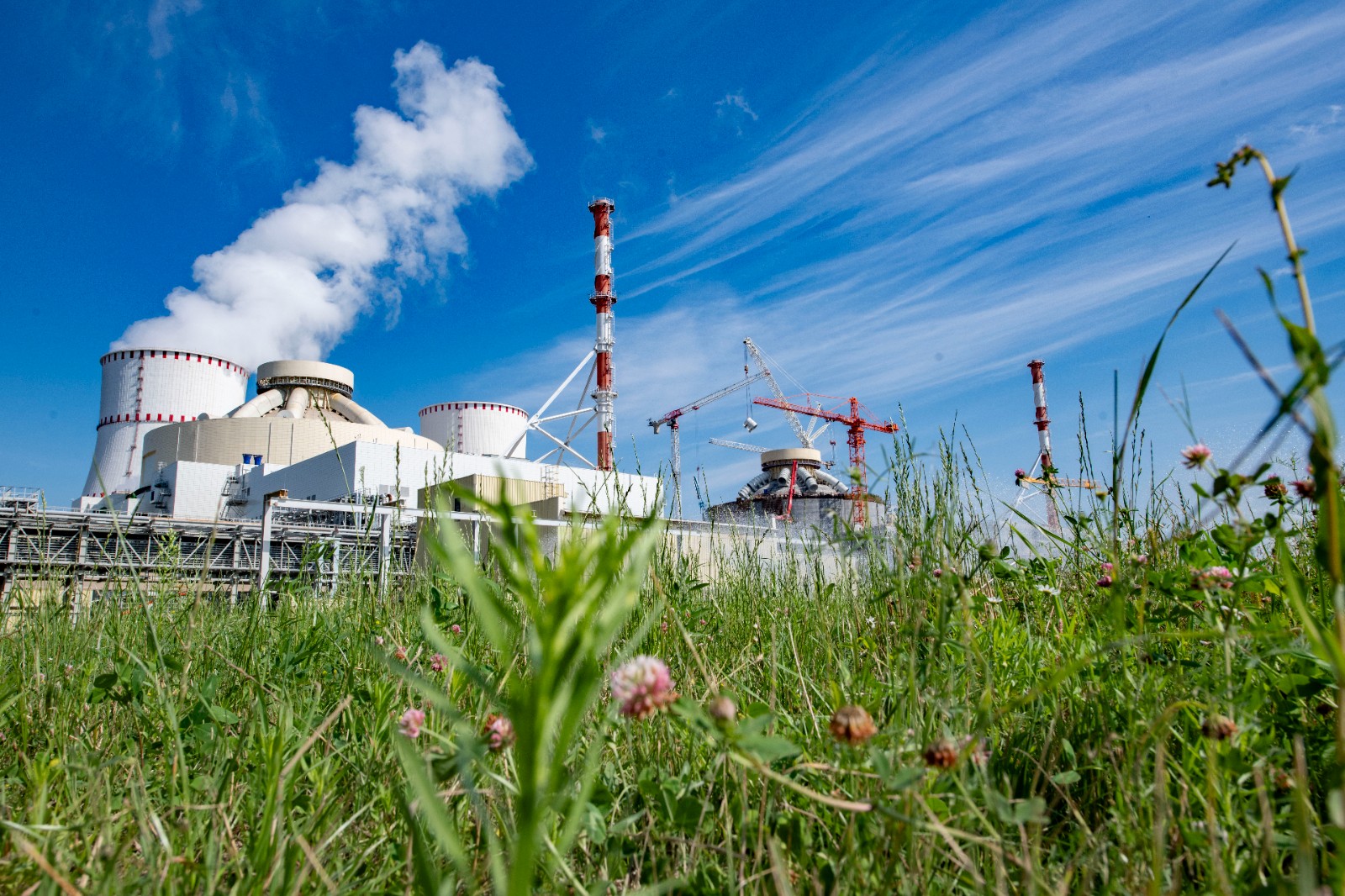
The unit is the most powerful innovative VVER-TOI unit under Rosatom, and is a Generation III+ nuclear power unit. According to Kursk NPP, its output is equivalent to approximately two years of electricity demand for the residents of the city of Kursk.
The new unit was first connected to the grid on December 31, 2025, and entered the electricity and capacity market on May 1, 2026, officially supplying power to consumers of Russia's Unified Energy System. At the end of April this year, the unit was put into commercial operation, transitioning to operational status, and was officially designated as Unit 7 (VVER-TOI) of Kursk NPP, following the design, construction, and commissioning sequence of the plant's units since 1976.
Alexander Uvakin, Director of Kursk NPP, stated that this result validates the efficiency of the new VVER-TOI unit series. This Generation III+ reactor unit helps improve fuel cycle efficiency and enhance power supply capacity.
Currently, Rosatom is continuing construction of two VVER-TOI units at the replacement capacity site of Kursk NPP. Under the Russian General Scheme for the Layout of Electric Power Facilities, the Kursk NPP replacement project is planned to reach a total of 4 units with an installed capacity of 5,000 MW by 2034, to gradually replace the existing RBMK-1000 units.
Kursk NPP is a branch of Rosenergoatom and one of the key nodes of Russia's "Center" power system, which covers 19 regions of the Central Federal District. Currently, Units 3 and 4 (RBMK-1000) and Unit 7 (VVER-TOI) at Kursk NPP are operating in accordance with the dispatch schedule; Units 1 and 2 are in a non-generating state due to reaching their designated service life. The radiation background at the plant and surrounding areas remains at normal operating levels and does not exceed natural background values.
Disclaimer: Information republished from partner media, institutions or other websites is provided for reference and communication purposes only. It does not imply endorsement of its views or verification of its accuracy. Please contact us if any content infringes rights or requires correction.