
Russia's Rostov NPP Releases Chlorella into Cooling Pond to Strengthen Ecological Control
 Scan to share
Russia's Rostov NPP recently carried out its annual ecological control operation at the plant's technical reservoir, releasing 3.6 tonnes of a bioactivator based on the planktonic algae chlorella into the water to suppress the risk of algal blooms and maintain the ecological balance of the cooling pond.
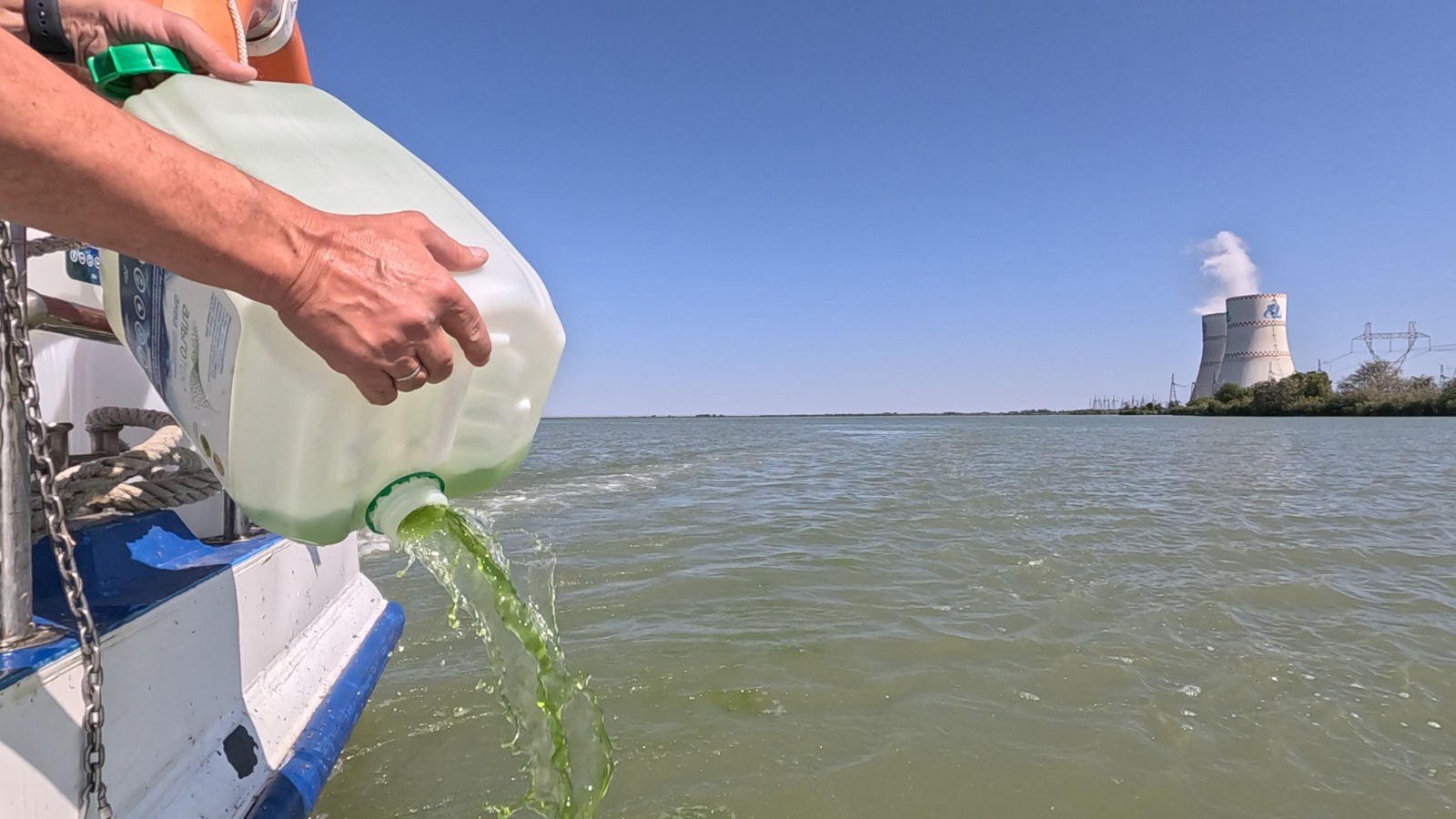
Rostov NPP is part of Rosenergoatom, the power generation division of Russia's State Atomic Energy Corporation (Rosatom). The operation is part of the plant's long-standing "algae management" measures, primarily aimed at stabilizing water conditions under climate change and abnormally high temperatures, ensuring the smooth operation of related equipment.
Chlorella acts as a natural biofilter, capable of suppressing the reproduction of certain pathogenic microorganisms, increasing oxygen levels in the water, and reducing reliance on chemical agents. The plant stated that this method helps maintain water quality in large technical reservoirs without the use of chemicals.
More than 20 species of fish inhabit the cooling pond of Rostov NPP. Every year, plant staff also stock the pond with grass carp, common carp, silver carp, and Russian sturgeon to consume overgrown aquatic plants and zebra mussels, supporting the ecological stability of the water body.
Yulia Fetisova, Acting Head of the Environmental Protection Department at Rostov NPP, stated that the plant monitors the reservoir's condition according to strict scientific standards and assesses the effectiveness of the measures by studying phytoplankton communities. Certified laboratories take samples at least three times per season, monitoring not only the plant's technical reservoir but also water chemistry indicators in the dam section of the Tsimlyansk Reservoir.
Andrey Salnikov, Director of Rostov NPP, noted that rising summer temperatures increase the pressure on the reservoir's ecosystem. For the plant, this is both an environmental management issue and a matter of operational safety. The plant has carried out relevant algae management work annually since 2008, and during this period no large-scale algal blooms have occurred in the technical reservoir. The plant stated that comprehensive control measures help ensure water quality meets technical and environmental standards, while guaranteeing stable electricity supply to southern Russia.
Disclaimer: Information republished from partner media, institutions or other websites is provided for reference and communication purposes only. It does not imply endorsement of its views or verification of its accuracy. Please contact us if any content infringes rights or requires correction.