
Russia's Kola NPP Launches Construction of Nuclear-Powered Hydrogen Production Pilot Complex
 Scan to share
Kola NPP, a subsidiary of Rosatom, has commenced construction of a hydrogen production pilot test complex within its site, with the project scheduled for completion next year.
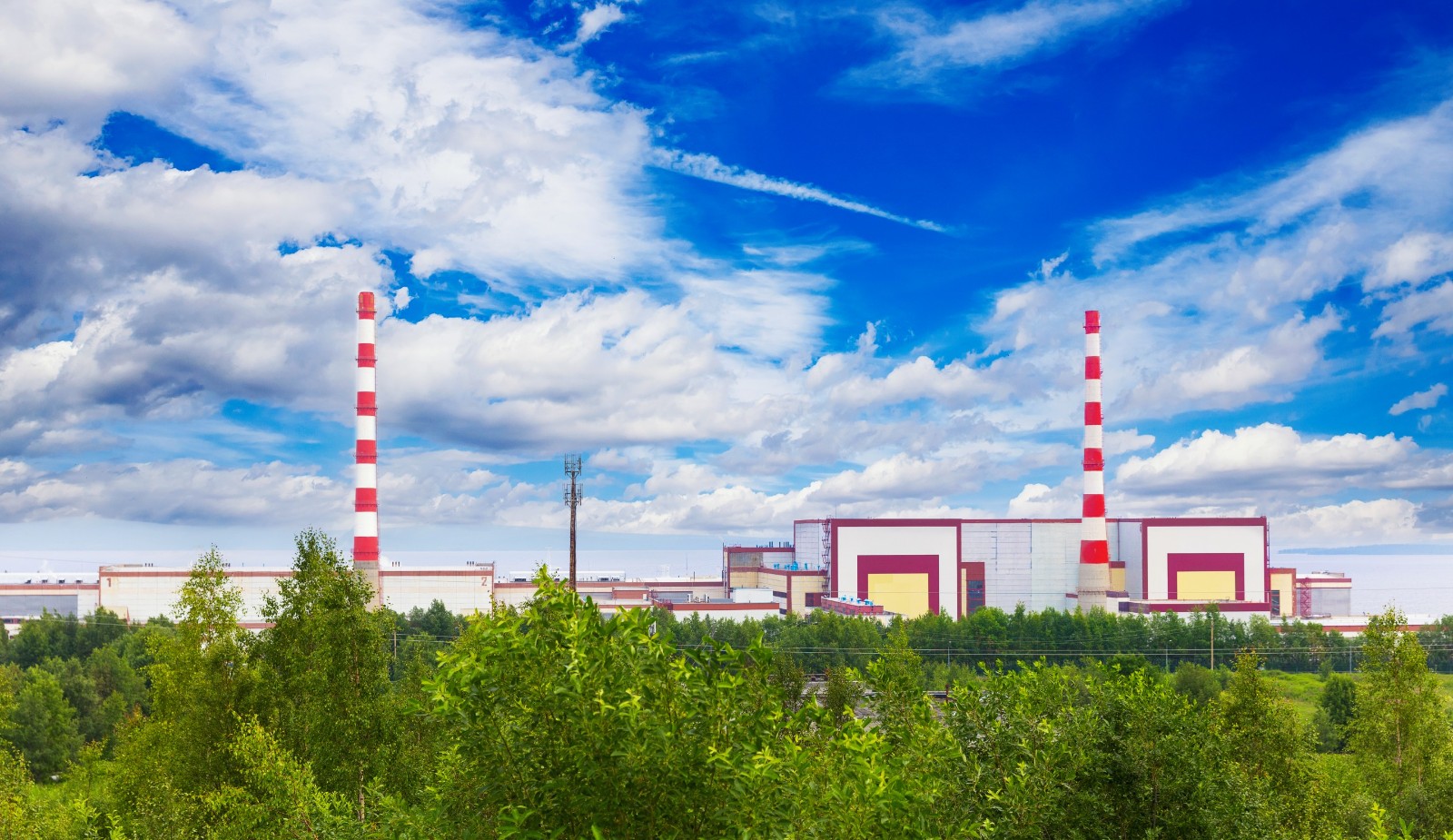
The complex will be used to validate large-scale water electrolysis hydrogen production technology, as well as technical routes related to hydrogen handling, storage, and transportation. A key feature of the project is the use of low-carbon electricity supplied by the nuclear power plant to reduce the dependence of the hydrogen production process on hydrocarbon fuels.
According to the design, the pilot test complex will have a hydrogen production capacity of 200 standard cubic meters per hour. The project will be implemented in two phases: the first phase will involve commissioning an electrolysis unit with a capacity of 50 standard cubic meters per hour and constructing hydrogen storage and handling infrastructure; the second phase will increase capacity to the design level of 200 standard cubic meters per hour. During construction, the project will prioritize the use of modern Russian-made equipment.
Kola NPP was selected as the pilot site based on factors including its reserve power capacity, electricity tariff conditions, existing infrastructure, and operational staff experience. Nikolai Rusakov, Deputy Director for Capital Construction at Kola NPP, stated that conducting technology validation under the conditions of the nuclear power plant will facilitate project implementation with higher efficiency.
Water electrolysis for hydrogen production is an electrochemical process in which direct current causes water molecules to decompose into hydrogen and oxygen in an electrolyzer, with hydrogen evolving at the cathode and oxygen at the anode. This process does not use hydrocarbon feedstocks; if the electrolysis unit is powered by a low-carbon electricity source, the carbon dioxide emissions of the hydrogen production process can be further reduced.
Hydrogen already has a wide range of applications in the energy and industrial sectors. For example, in the power industry, hydrogen is commonly used for cooling large turbogenerators; in the chemical sector, hydrogen serves as an important feedstock for producing ammonia, fertilizers, and methanol; in the oil refining industry, hydrogen is used for hydrotreating and deep processing of heavy feedstocks; and in metallurgy, hydrogen can also be used in processes such as direct reduction of iron ore.
Kola NPP is located in Polyarnye Zori, Murmansk Oblast, Russia, and is a branch of Rosenergoatom, the Russian nuclear power plant operator. Situated on the shores of Lake Imandra, approximately 200 km south of the city of Murmansk, the plant currently operates four VVER-type reactor units with an individual capacity of 440 MW, generating approximately 60% of the region's electricity balance.
Disclaimer: Information republished from partner media, institutions or other websites is provided for reference and communication purposes only. It does not imply endorsement of its views or verification of its accuracy. Please contact us if any content infringes rights or requires correction.