
Canada's Pickering Nuclear Power Station in Toronto is about to shut down for refurbishment
 Scan to share
Nicole Butcher, CEO of Ontario Power Generation (OPG), announced at the Canada Investment Summit that the four units at Pickering Nuclear Power Station's B plant, namely Units 5 through 8, will be gradually taken out of service and enter a comprehensive refurbishment phase lasting five to seven years. Since these four units began operation in the mid-1980s, they have consistently provided about one-tenth of Ontario's electricity supply. With the shutdown of these units, all eight reactors at Pickering Nuclear Power Station will cease generating electricity.
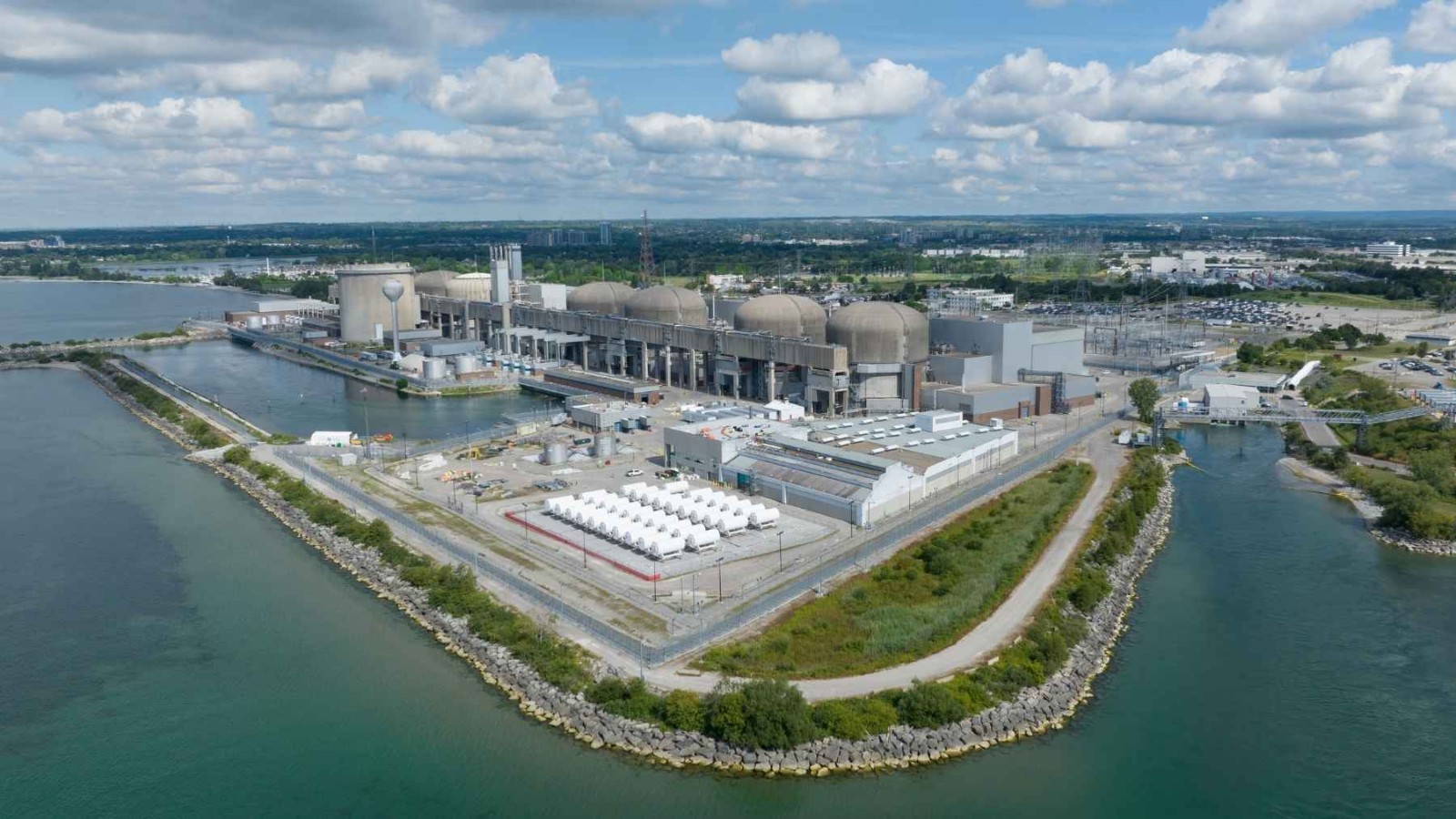
According to OPG's financial plan, the refurbishment project will begin first with Unit 5, which is expected to be reconnected to the grid in 2031, while the entire project is planned to be fully completed by 2034. This process will consume substantial resources and time, bringing a certain degree of impact on Ontario's energy supply.
Pickering Nuclear Power Station uses Canada's unique CANDU heavy water reactor design, which is significantly different from the commercial light water reactors currently operating in the United States. The unique feature of the CANDU reactor is that its nuclear fuel is distributed in hundreds of horizontal tubes rather than concentrated in a single large pressure vessel. This design allows the CANDU reactor to achieve a "nirvana rebirth" by replacing its internal tubes, which is a technical advantage that currently operating U.S. reactors cannot match.
During the refurbishment project, construction workers need to extract large numbers of pressure tubes and high-temperature heavy water feeder tubes from the four reactors. Before starting the replacement work, all nuclear fuel inside the reactors must first be safely emptied. This will be a complex and delicate process requiring a high degree of professional skill and rigorous execution.
In the face of the nuclear power station's shutdown, Ontario's Independent Electricity System Operator (IESO) assesses that, through the end of 2027, the province's electricity supply can generally remain balanced. However, because Ontario's power grid is increasingly interconnected with other regions and overall North American grid capacity is tightening, Ontario has lowered the amount of imported electricity it can rely on during the summer.
This refurbishment project requires a final license from the Canadian Nuclear Safety Commission (CNSC). The CNSC will hold a hearing in October and is expected to make a final ruling within four months. If all goes smoothly, OPG plans to officially begin the dismantling and rebuilding work of Unit 5 in January of next year. The industry widely expects that, drawing on the experience OPG accumulated in the Darlington Nuclear Power Station refurbishment project, this project can provide a new demonstration for the extended service life and technical transformation of nuclear power stations worldwide.
Disclaimer: Information republished from partner media, institutions or other websites is provided for reference and communication purposes only. It does not imply endorsement of its views or verification of its accuracy. Please contact us if any content infringes rights or requires correction.