
NEA Hosts Workshop on Regulatory Approaches for Non-Electric Applications of Nuclear Energy
 Scan to share
Recently, the Nuclear Energy Agency (NEA) successfully held a workshop on regulatory approaches for non-electric applications of nuclear energy in Vantaa, Finland. The meeting aimed to promote in-depth exchanges among stakeholders on the safety regulation of non-electric fields such as nuclear district heating, industrial process heat supply, and hydrogen production.
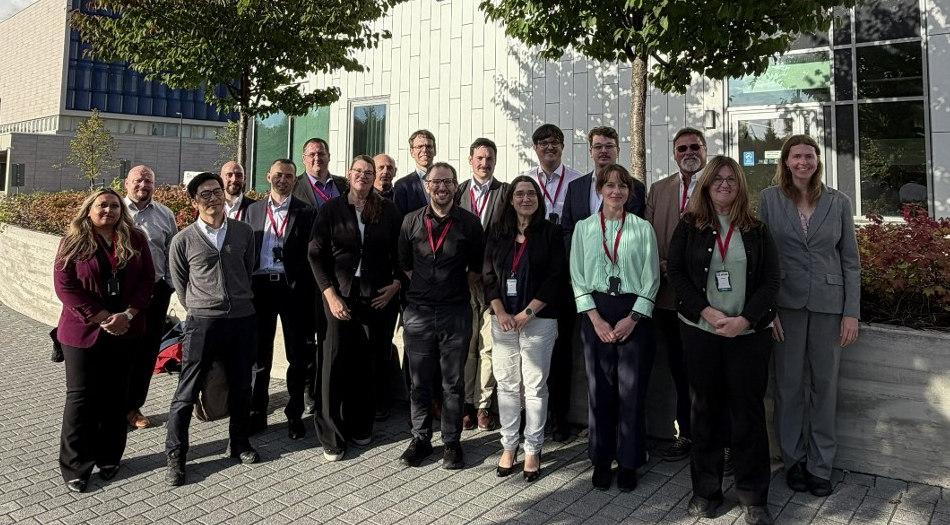
It is reported that the workshop was hosted by the Finnish Radiation and Nuclear Safety Authority (STUK) and organized by the NEA Working Group on New Technologies (WGNT), bringing together approximately 50 representatives from nuclear regulatory bodies, industry, and academia from 17 countries and international organizations. The meeting conducted in-depth discussions around four core themes: first, organizational models and outsourcing management; second, the interface and safety interdependencies between nuclear and conventional facilities; third, safety considerations for siting near urban or industrial areas; fourth, specific hazards and potential initiating events in non-electric nuclear applications.
The workshop emphasized that existing nuclear regulatory frameworks are generally sufficient to meet the licensing needs of non-electric nuclear energy application projects. However, in cases where nuclear facilities are operated in coupling with conventional industrial facilities, it is necessary to establish sound interface management mechanisms covering physical boundaries, contractual responsibilities, shared services, and mutual emergency notification, to clarify the responsibilities of all parties and firmly uphold the primary safety responsibility of the nuclear license holder.
Furthermore, participating experts particularly noted that off-site emergency management plans should fully consider multi-site cascading accidents involving nearby non-nuclear facilities, strengthen risk assessment of coupled disasters and failure propagation pathways, and that public and local community communication should be carried out at an early stage to build trust. Etu Ahonen, Vice Chair of the NEA Working Group on New Technologies (WGNT), stated that an increasing number of regulators worldwide are encountering integrated nuclear energy projects such as industrial heat supply and hydrogen production, and the experience summarized at this workshop will directly help national regulators improve their licensing preparedness. The NEA will subsequently publish a formal report summarizing the main outcomes and regulatory considerations of the workshop.
Disclaimer: Information republished from partner media, institutions or other websites is provided for reference and communication purposes only. It does not imply endorsement of its views or verification of its accuracy. Please contact us if any content infringes rights or requires correction.