
Search Results
Keyword:Pakistan nuclear power
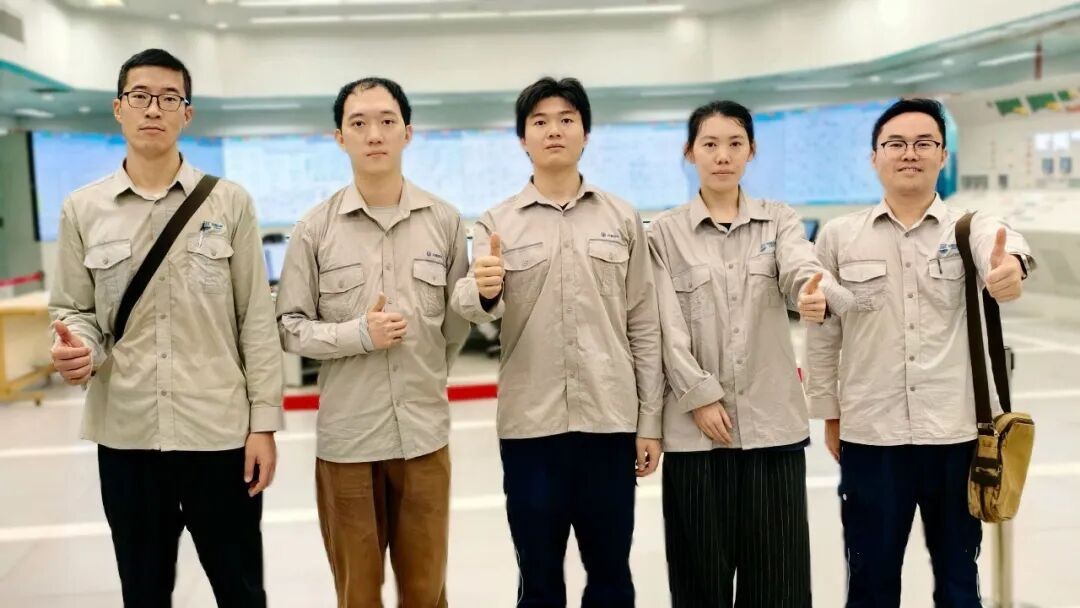
Pakistan Karachi Nuclear Power Plant Unit K-3 Connected to Grid After Major Overhaul
At 03:30 local time on September 7, 2026, Unit K-3 of the Karachi Nuclear Power Plant in Pakistan was successfully connected to the grid. Since the unit was disconnected from the grid on July 1, 2026 for this major overhaul, the Chinese and Pakistani teams have worked closely together to successfully complete all maintenance tasks. This overhaul involved heavy workloads and multiple critical points. The CNNC Overseas Operation and Maintenance team planned and deployed in advance, refined the overhaul plan, coordinated and allocated various resources, clarified responsibilities, implemented dynamic tracking and daily work reviews, and efficiently completed key tasks including the modification of the lower half heat shield of the low-pressure cylinder, preventive maintenance of UPS, maintenance of the containment spray pipeline, emergency repair of the emergency compressed air compressor, and technical guidance for turbine overhaul, eliminating equipment hazards and consolidating the foundation for safe unit operation...
2026-09-09
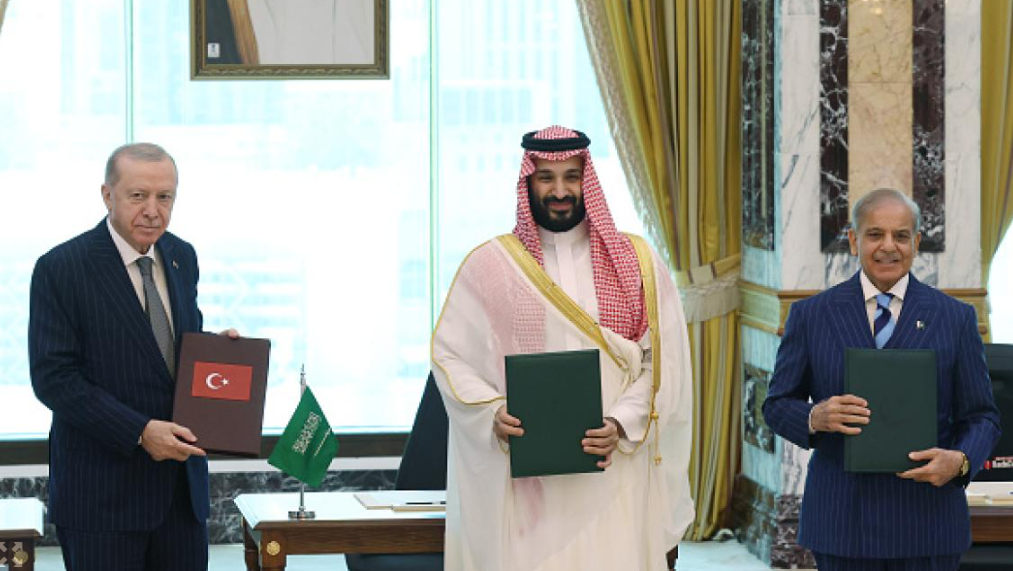
The Mecca Mutual Defense Agreement Opens a "Finance-Industry-Nuclear" Triad, with Nuclear Energy as an Energy Security Sub-route among Six Economic Pathways
On August 7, Saudi Arabia, Turkey, and Pakistan signed the Mutual Defense Agreement in Mecca, attended by Saudi Crown Prince Mohammed bin Salman, Turkish President Erdogan, and Pakistani Prime Minister Shehbaz Sharif. The agreement binds Saudi financial weight + Turkish defense industry and manufacturing base + Pakistani nuclear and military experience into a single framework for the first time, stipulating that an armed attack on any one country is considered an attack on all, and covers joint defense industry, technology exchange, and training planning coordination. Saudi officials clarified that the agreement does not point to a military axis, religious bloc, or nuclear arms race, but rather to building self-sustaining capabilities. The New Arab, citing IISS, Chatham House, and Reuters/AP analyses...
2026-08-10