
Search Results
Keyword:Romanian nuclear power
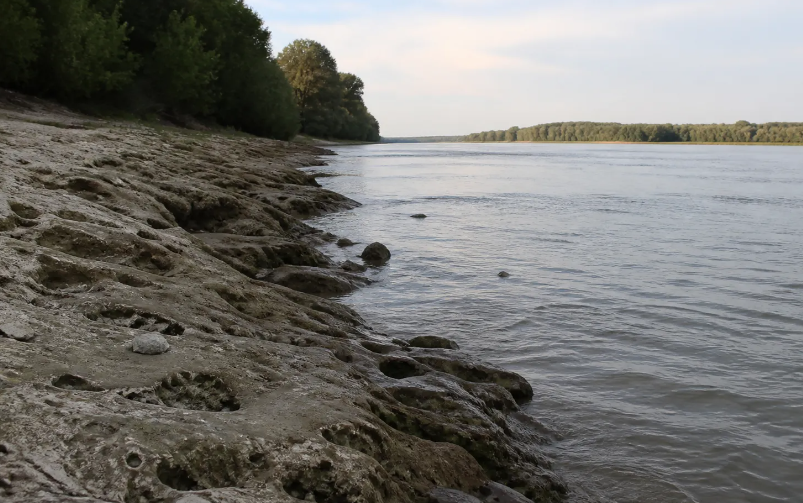
Romania Blasts Rocks in Danube to Secure Nuclear Power Plant Water Supply
Romania is conducting blasting operations on rocks in the Danube River to ensure the water supply for the Cernavodă Nuclear Power Plant. The Ministry of National Defense has launched related actions aimed at altering the river's flow, diverting part of the water from the Bala branch to the Old Danube branch. Initial blasting operations began on Sunday, involving over one hundred military personnel and sixteen pieces of military equipment. According to Navy Reserve Commander Marcel Neculae, the first two explosions failed to completely destroy the target rock, which proved harder than expected. Navy divers are currently assessing the blasting results, after which explosive charges will be gradually increased to continue the operation. Romania's water resources authority has also noted the complexity of the project and warned that it may not succeed.
2026-08-03
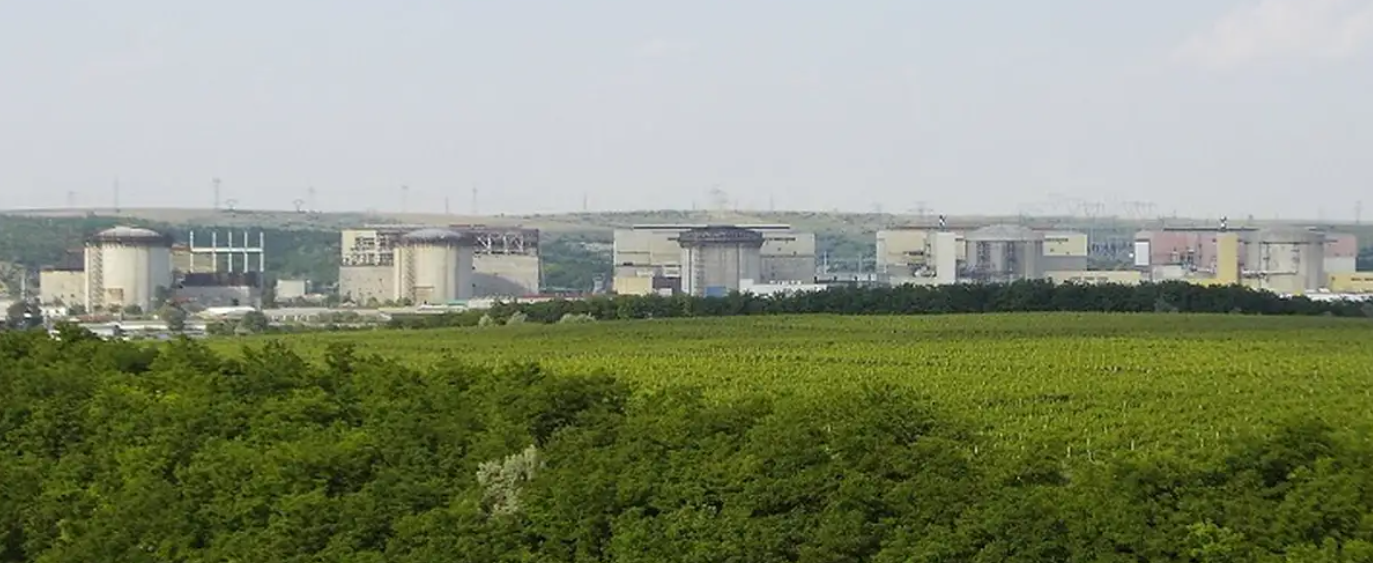
Danube Water Levels Continue to Drop, Putting Pressure on Romania's Cernavodă Nuclear Power Plant Operations
Romanian official Sorin Lindasu said on August 1 that if the Danube River water level continues to decline, the Cernavodă Nuclear Power Plant in Constanța County, southeastern Romania, may only be able to continue operating for 4 to 5 days. To ensure the water level required for continuous plant operation, relevant parties have begun implementing hydraulic engineering works on the Danube. Lindasu stated that the Danube water level is currently dropping at a rate of about 2 to 3 centimeters per day. A flow rate of 1,590 cubic meters per second has been recorded at the Baziaș inlet where the Danube enters Romanian territory, and this figure is expected to continue declining, potentially falling to about 1,450 cubic meters per second by August 7. Under these conditions, Cernavodă...
2026-08-03
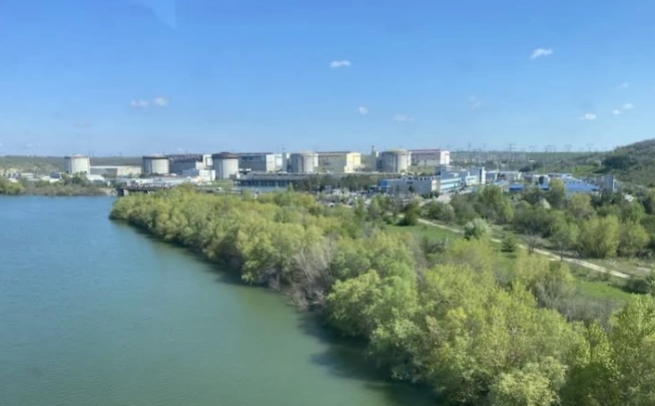
Romanian Army Deploys on the Danube to Protect Nuclear Power Plant Operations
The Romanian Ministry of National Defense announced that the Romanian Army has been mobilized to protect the operation of the Cernavodă Nuclear Power Plant and conduct hydrographic measurements on the Danube River. The Ministry stated that this measure was taken in response to the current critical situation on the Danube to ensure the safe operation of the nuclear power plant. The military action aims to obtain the technical data required for the construction of a mobile weir that will redirect a portion of the Danube's flow into the Old Danube. Naval forces are conducting measurements at kilometers 345 to 346 of the Danube, in the area where the Bala branch converges, to determine the parameters needed for implementing the weir. Military experts are analyzing the riverbed and water depth, and transmitting the collected data to the relevant administrative authorities. The Ministry emphasized that these measures...
2026-08-02

Romania Stands by NuScale SMR Project Amid Growing Controversy
The Romanian government and state-owned nuclear operator Nuclearelectrica have been progressively advancing plans since 2021 to deploy small modular reactors (SMRs) developed by the U.S. company NuScale, with the site located at Doicesti. Following the failure of NuScale's first U.S. project and an increase in cost estimates for the Doicesti project, doubts have emerged over Romania's choice, which would involve six 77 MW SMRs. Earlier this month, Romania's Ministry of Energy—the largest shareholder of Nuclearelectrica—reaffirmed its partnership with NuScale and rejected Nuclearelectrica's request to reassess the supplier selection. Nevertheless, the project still...
2026-08-02
Romania Declares National State of Emergency for August Amid Decline in Power Generation
Romania's Acting Prime Minister and Energy Minister Ilie Bolojan announced on July 31 after a cabinet meeting that Romania would enter a national state of emergency in August due to a decline in power generation caused by drought. Bolojan stated that the drought has reduced water levels in rivers, with a notable decrease in the flow of the Danube River. The flow has dropped from over 4,000 cubic meters per second to 1,600 cubic meters per second. He said that as a result, the water level in the intake basin of the Cernavodă NPP has fallen, and Unit 1 of the plant had to be shut down recently. He also noted that Unit 2 of the Cernavodă NPP faces a high risk of shutdown. Should Unit 2 go offline, Romania's total...
2026-08-01
Unit 2 of Romania's Cernavoda Nuclear Power Plant not to shut down temporarily due to low Danube water level
Romania's National Nuclear Power Company (Nuclearelectrica) stated on July 30 that Unit 2 of the Cernavoda Nuclear Power Plant will continue to operate connected to the grid. Previously, the company had warned that the unit, located in Constanța County in southeastern Romania, might need to shut down due to the low water level of the Danube River. The company said that based on an operational analysis completed the previous night, experts believe the currently obtained relevant parameters allow Unit 2 to continue operating under safe conditions. Therefore, the unit will remain connected to Romania's national power system. Nuclearelectrica also stated that technical personnel will continuously monitor and analyze the plant's operating parameters. Given the subsequent hydrological forecasts for the Danube water level...
2026-07-31
Danube River water levels continue to drop, Romania's only nuclear power plant to shut down completely
Affected by prolonged drought and high temperatures, the water level of the Danube River has been continuously declining, impacting the operation of multiple nuclear power plants along its banks. Romanian authorities have confirmed that both units of the country's only nuclear power plant, the Cernavodă Nuclear Power Plant, will be completely shut down to prevent damage to the cooling system. Romania's Acting Prime Minister Ilie Bolojan has called on residents and large industrial users to voluntarily reduce electricity consumption, especially by controlling the load between 8:00 PM and 11:00 PM. He stated that Romania often faces electricity shortage pressure during this period. Bolojan noted that the Danube River flow rate during the same period in previous years was typically 3,900 to 4,500 cubic meters per second, but it has now dropped to 1,600 cubic meters per second, and is expected to continue decreasing in the coming days.
2026-07-30
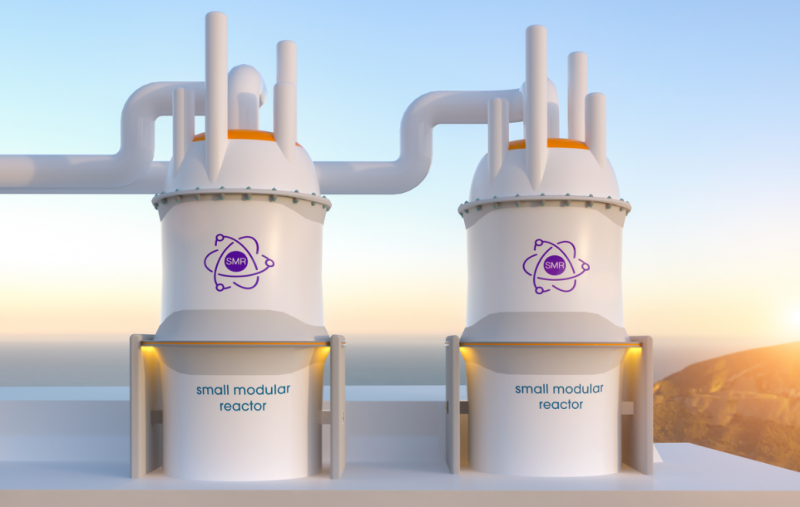
Romanian National Nuclear Power Company Responds to Review Comments on the Doicești SMR Project
SN Nuclearelectrica SA (SNN) responded on July 28 to the content involving the Doicești Small Modular Reactor (SMR) project in the summary of a report by the Romanian Prime Minister's supervisory body. The company stated that strategic nuclear energy projects should be comprehensively evaluated based on technological maturity, economic conditions, and regulatory requirements. Such projects remain in a complex development phase, with schedules and plans subject to updates as engineering, licensing, and technical verification work progresses. SNN noted that the initial development plan for the Doicești SMR project was based on information available at the project's launch, with an estimated timeline jointly developed with technology partners NuScale and Fluor (...
2026-07-29