
Search Results
Keyword:gyrotron
France's ITER research program may start before 2034
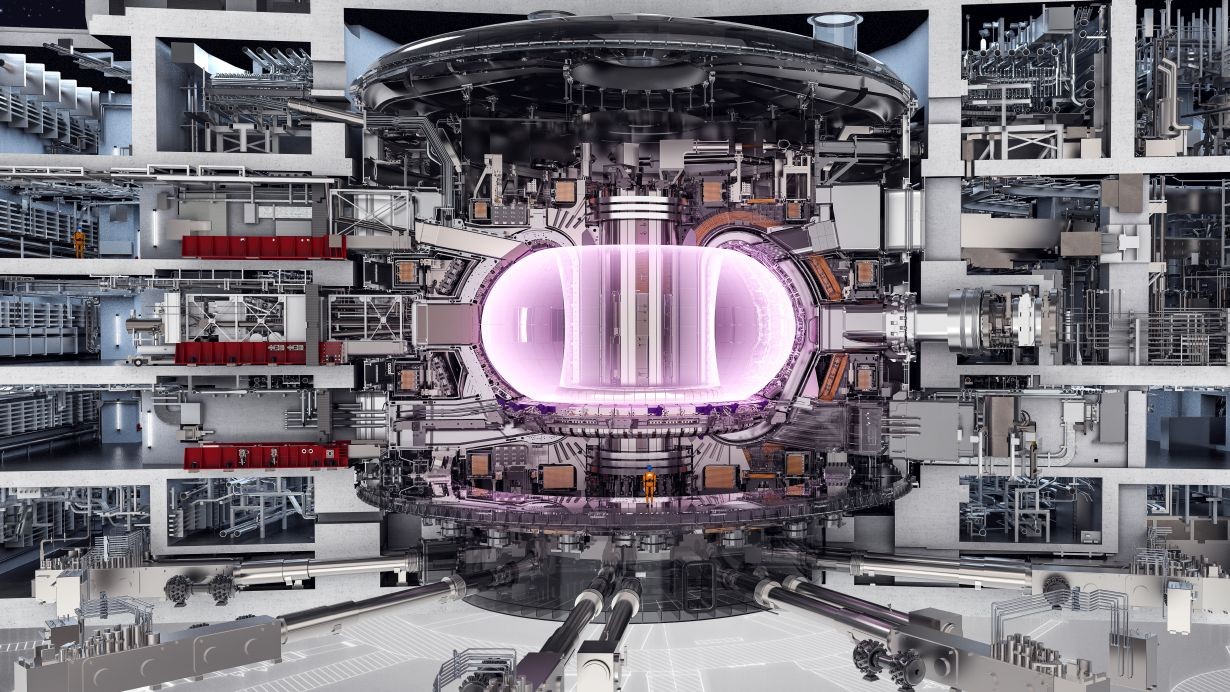
Scientific preparation work for the International Thermonuclear Experimental Reactor (ITER) is currently about 7 months ahead of the original schedule, and the research program may start earlier than the previously set target of 2034. Anatoly Krasilnikov, Director of the ITER Project Center at Rosatom, revealed this progress during the Technoprom-2026 forum. Krasilnikov stated that the project team no longer uses the milestone term "first plasma," but has instead adjusted the objective to "start of the research program," with a target date of 2034. Based on the current progress, the work is 7 months ahead of schedule, and there is a possibility of achieving the goal ahead of time...
2026-08-28
QST completes first gyrotron 170 GHz microwave output test at ITER site
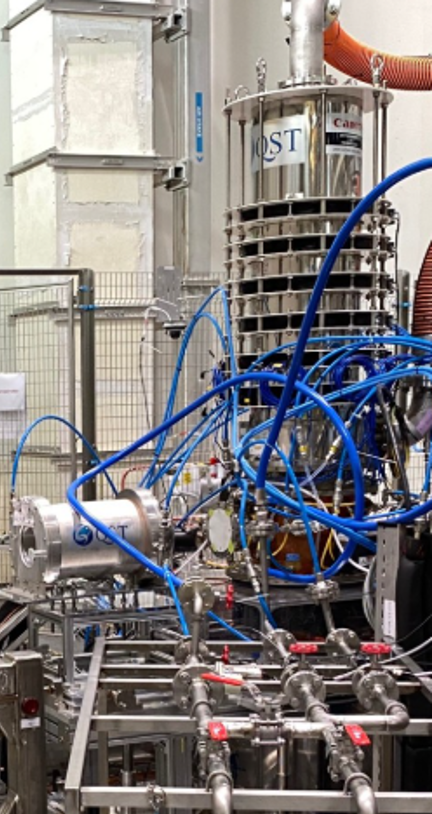
The National Institutes for Quantum Science and Technology (QST) of Japan announced on July 31 that it has completed the integration and operational testing of the first gyrotron system at the International Thermonuclear Experimental Reactor (ITER) site in southern France, successfully producing 170 GHz microwave output. This system is used for ITER plasma generation and heating, and is one of the key devices for ITER's plan to commence operations in 2034. The core equipment of this test is the gyrotron, a high-power microwave source. Gyrotron operation requires the coordinated work of peripheral equipment such as power supplies, superconducting coils, and cooling systems. QST previously completed performance testing of eight ITER gyrotron systems at the gyrotron test facility of the Naka Fusion Institute in Japan, and transported components including gyrotrons, superconducting coils, and quasi-optical matching units to the ITER site. Over the past three years, QST has advanced system installation, commissioning, and operational preparation at the site.
2026-07-31
Tokamak Energy's ST40 device new gyrotron completes site acceptance test
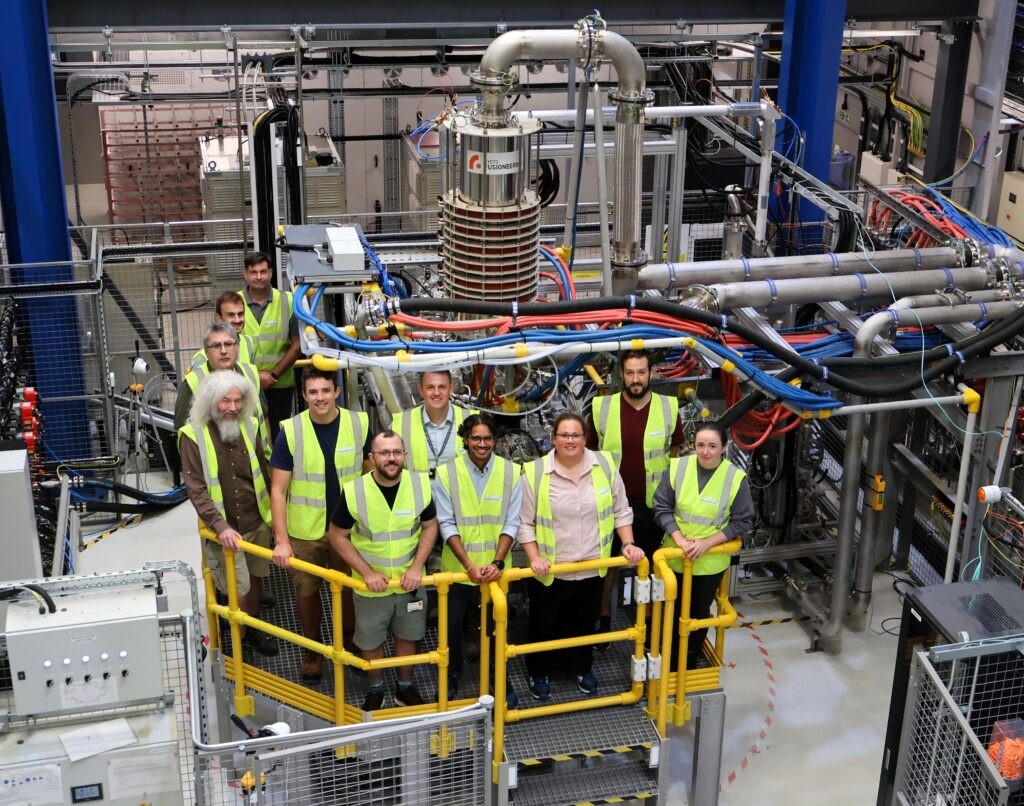
Tokamak Energy disclosed on July 29 that the new gyrotron planned for its high-field spherical tokamak device ST40 has completed site acceptance testing. The equipment, which will serve as the core component of the radio frequency heating system, has undergone key performance verification before installation on ST40. During this test, the gyrotron achieved stable 1 MW power operation at both 104 GHz and 137 GHz frequencies, with pulse lengths up to 2 seconds. The test content included repeatability, modulation capability, power control, and mode purity, and the results demonstrated that the equipment can meet the requirements for sustained performance output in relevant fusion experiments. The gyrotron was built by Kyoto Fusioneering...
2026-07-30