
Search Results
Keyword:nuclear fuel
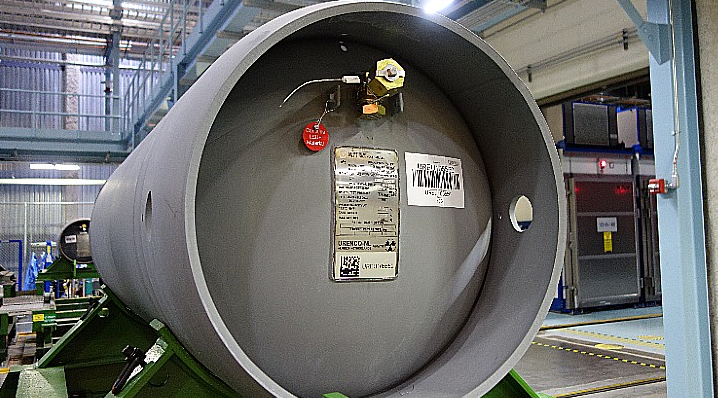
Urenco USA Completes Production of First Commercial Upgraded Low-Enriched Uranium Product Cylinder
Recently, Urenco USA completed the production of its first upgraded low-enriched uranium (LEU+) product cylinder at the National Enrichment Facility in New Mexico, advancing this fuel feedstock from production readiness to the commercial product supply stage. This development provides a new enriched uranium option for operating light water reactors and some advanced reactors, but completing the production of enriched product does not equate to fuel assemblies having been manufactured or loaded into a reactor. LEU+ is Urenco's product name for enriched uranium with uranium-235 assays of approximately 5% to 10%, higher than the typical enrichment levels of fuel commonly used in operating commercial nuclear power plants. Fuel made from this material is expected to support longer operating cycles and reduce refueling outages...
2026-11-05
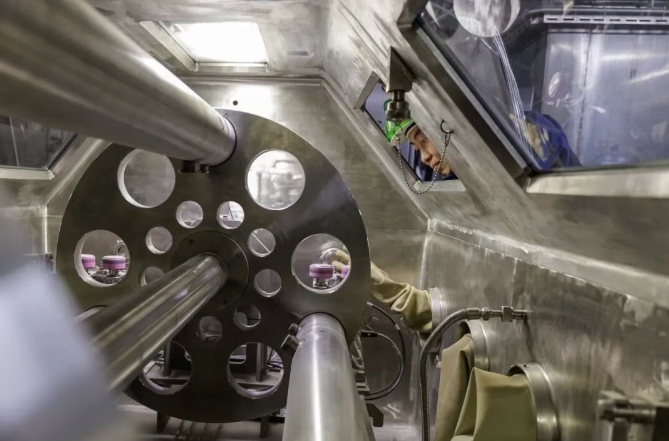
Russia proposes optical laser monitoring method for spent nuclear fuel reprocessing
Recently, a research team from Sechenov University in Russia, together with the Proryv Project and the All-Russian Scientific Research Institute of Inorganic Materials (VNIINM), published latest results in the journal Applied Spectroscopy, proposing a non-contact optical method for continuous monitoring of the spent nuclear fuel reprocessing process. It is reported that in the liquid-liquid extraction process of spent nuclear fuel reprocessing, traditional laboratory analysis has problems such as long sampling time and increased risk of radioactive waste. The research team introduced Raman Spectroscopy to monitor the state of extractants such as tributyl phosphate in the organic phase, measuring a median error of about 1%; meanwhile, laser-induced breakdown spectroscopy (LIBS) was used to determine the concentration of metal elements in the aqueous phase, with an average error controlled at 4%–8%, achieving near-real-time synchronous monitoring of the two-phase streams.
2026-11-02

Framatome Commissions Chromium-Coated Facility to Advance Industrialization of Accident-Tolerant Fuel
Recently, France's Framatome officially commissioned an industrial pilot facility for chromium coating at its Paimboeuf manufacturing plant in western France, in order to accelerate the industrialization of its PROtect enhanced accident-tolerant fuel (E-ATF) technology. It is reported that the facility represents an investment of 30 million euros (approximately 33.5 million US dollars) and uses physical vapor deposition (PVD) technology to apply chromium coating to the surface of zirconium alloy cladding tubes for nuclear fuel assemblies. The pilot facility is designed with an annual production capacity of more than 100,000 chromium-coated cladding tubes, aimed at verifying process stability under serial production conditions. Framatome plans to complete industrial qualification of the process by the end of 2026, and...
2026-10-31

US Centrus Energy Ships First Centrifuge to Support Piketon Expansion
Recently, the technology and manufacturing center of US-based Centrus Energy in Oak Ridge, Tennessee, has completed the manufacture of its first new advanced centrifuge and officially shipped it to the uranium enrichment plant in Piketon, Ohio. This milestone marks the entry of Centrus' multi-billion-dollar uranium enrichment capacity expansion project into the on-site cascade assembly phase. The project adopts Centrus' independently developed AC-100M advanced centrifuge technology. The first batch of expanded enrichment capacity is expected to officially enter operation in 2029, aiming to simultaneously meet the commercialization and national security needs of low-enriched uranium (LEU) and high-assay low-enriched uranium (HALEU)...
2026-10-31

U.S. Announces $50 Million to Fund Next-Generation Nuclear Fuel R&D
Recently, the Advanced Research Projects Agency-Energy (ARPA-E) under the U.S. Department of Energy (DOE) announced the selection of 8 innovative projects and will provide a total of up to $50 million in funding to fully advance breakthroughs in next-generation nuclear reactor fuel technologies. It is reported that this funding focuses on cutting-edge technical pathways such as nuclear fuel fabrication, irradiation testing, and safety certification, aiming to significantly reduce fuel production costs and shorten the commercialization deployment cycle of advanced reactors. The projects will focus on overcoming manufacturing bottlenecks in key materials such as high-assay low-enriched uranium (HALEU) and advanced tristructural isotropic (TRISO) particle fuel. The U.S. Department of Energy stated that this funding directly implements U.S. President Donald Trump's...
2026-10-31

Sandia National Laboratories Awarded $3.38 Million to Develop Next-Generation Nuclear Reactor Fuel
Recently, according to U.S. media reports, the U.S. Department of Energy (DOE) announced a $3.38 million grant to Sandia National Laboratories to develop advanced analytical tools to advance the production and deployment of next-generation nuclear reactor fuel. It is reported that Brandon Williams, Administrator of the National Nuclear Security Administration (NNSA), and Deborah Frincke, Deputy Director of Sandia National Laboratories, announced at a press conference that the project is named Transuranic Reactor Fuel Pathway Sociotechnical Analysis, Techno-Economics, and Coordination (TRU-PATH). The core of the project lies in establishing a new analytical plat...
2026-10-31

Standard Nuclear CEO Discusses U.S. Oak Ridge Expansion Project
Recently, Kurt Terrani, CEO of U.S. advanced nuclear fuel producer Standard Nuclear, stated that the company is planning to expand advanced nuclear fuel production capacity in Oak Ridge, Tennessee, to meet strong market demand for advanced reactor fuel. It is reported that Standard Nuclear was founded in 2024 and primarily produces advanced nuclear fuel serving the fields of national security and space exploration. Terrani noted that as multiple U.S. nuclear companies invest billions of dollars in Oak Ridge, the area has become the core hub of U.S. advanced nuclear innovation, but current advanced nuclear fuel supply capacity still lags far behind market demand. As an advanced...
2026-10-31
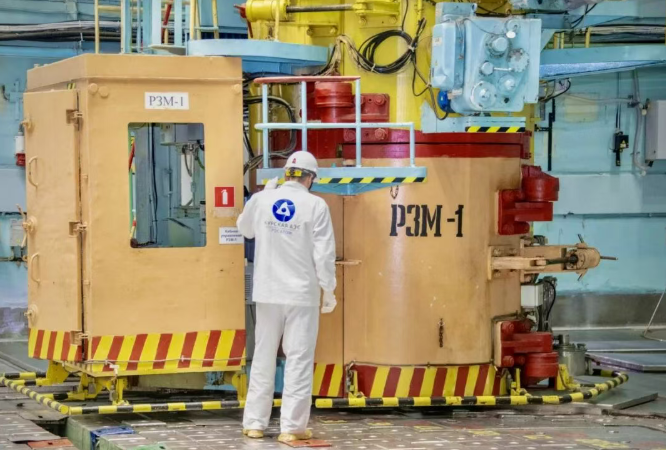
Russia's Kursk Nuclear Power Plant Loads Improved Nuclear Fuel for the First Time
Recently, Russia's State Atomic Energy Corporation (Rosatom) announced that the loading of the first batch of improved low-erbium-oxide-content nuclear fuel assemblies (TVS PSE) into the RBMK-1000 reactors of Units 3 and 4 at the Kursk Nuclear Power Plant has been successfully completed, with official permission obtained from the Federal Service for Ecological, Technological and Nuclear Supervision of the Russian Federation. It is reported that the new fuel was developed and produced by the Machine-Building Plant (MSZ) in Elektrostal, a subsidiary of Rosatom. Denis Pereguda, Deputy Chief Engineer for Safety at the Kursk Nuclear Power Plant, stated that the fuel composition optimization scheme is based on independent calculations by leading nuclear research institutions such as NIKIET...
2026-10-30
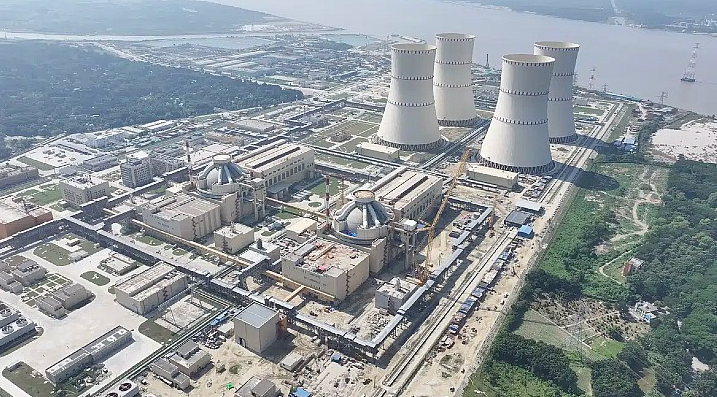
First Batch of Nuclear Fuel Delivered to Unit 2 of Rooppur Nuclear Power Plant in Bangladesh
Recently, Rosatom announced that the first batch of fresh nuclear fuel for Unit 2 of the Rooppur Nuclear Power Plant in Bangladesh has been successfully delivered to the project site and is currently being properly stored in a dedicated storage facility. It is reported that this batch of nuclear fuel assemblies was manufactured at the Novosibirsk Chemical Concentrates Plant, a production facility of Rosatom's TVEL Fuel Company, and was delivered through combined air and road transport. A joint inspection team composed of Bangladeshi experts, the general contractor, and manufacturing plant representatives is conducting mandatory incoming inspections at the site, including visual and instrumental testing, to ensure that the fuel fully complies with...
2026-10-29
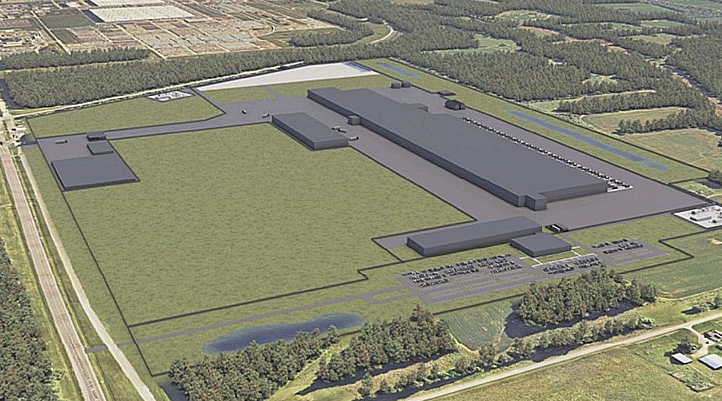
Final Environmental Impact Statement Issued for U.S. Laser Enrichment Facility
Recently, the U.S. Nuclear Regulatory Commission (NRC) officially released the Final Environmental Impact Statement for the proposed Paducah Laser Enrichment Facility (PLEF) of Global Laser Enrichment (GLE), recommending the formal issuance of a construction and operating license for the proposed plant. It is understood that the facility, located in Kentucky, will use the proprietary SILEX laser uranium enrichment technology of Silex Systems Ltd. to re-enrich depleted uranium tailings from previous gaseous diffusion enrichment plant operations of the U.S. Department of Energy. The project will not only produce conventional low...
2026-10-27
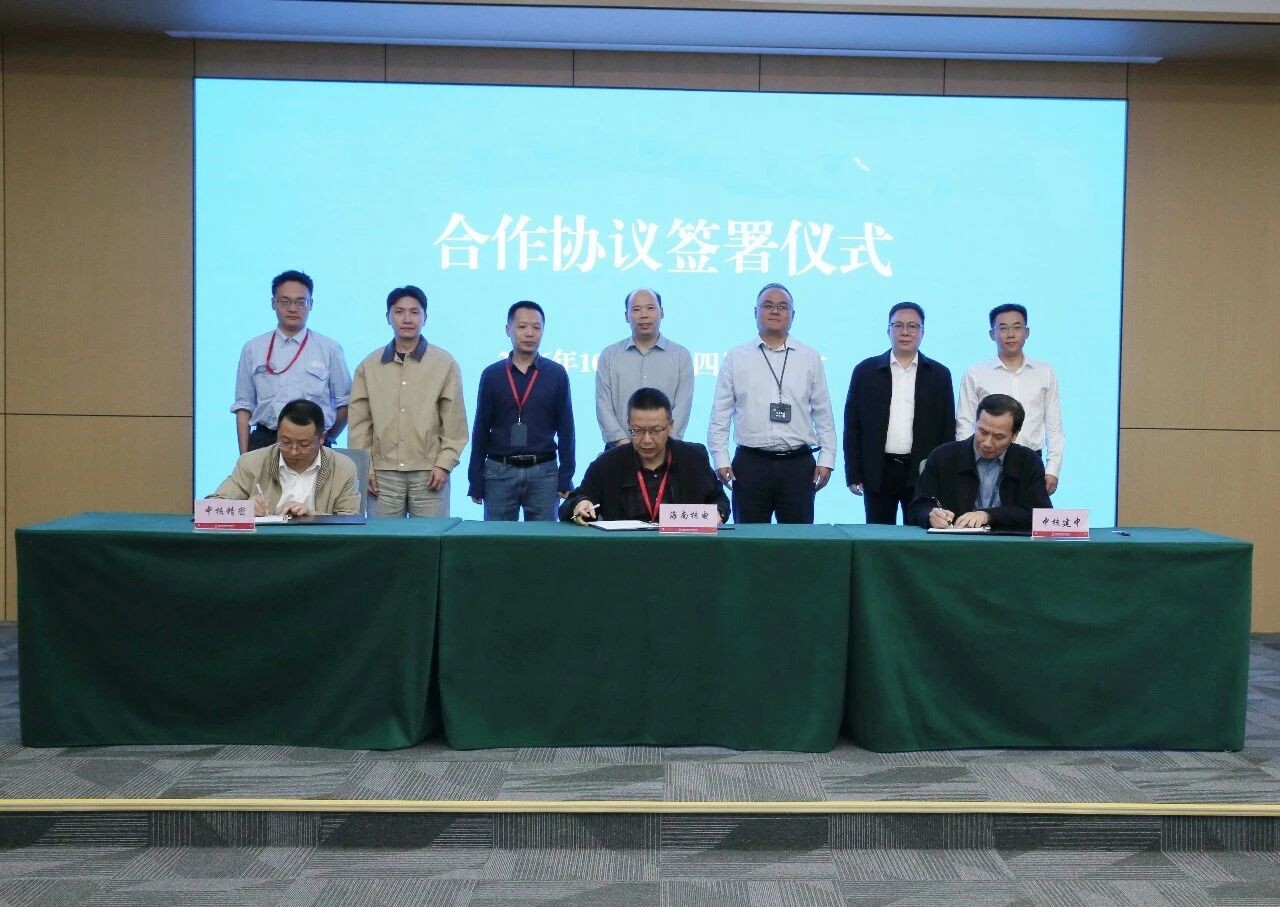
Hainan Nuclear Power, CNNC Jianzhong, and CNNC Precision Sign Special Cooperation Agreement to Jointly Tackle the Full Process of Core Components for Nuclear Fuel Assemblies
To implement the relevant special deployments of CNNC and strengthen the independent controllability of the nuclear fuel industry chain and supply chain, Hainan Nuclear Power Co., Ltd., CNNC Jianzhong Nuclear Fuel Element Co., Ltd., and CNNC (Yibin) Precision Manufacturing Co., Ltd. officially signed a special cooperation agreement on nuclear fuel assembly grid strips and springs on October 22 in Yibin, Sichuan. This move marks substantive progress by CNNC in advancing the coordinated strengthening and consolidation of the two major sectors of the nuclear fuel cycle and nuclear power generation. Grid strips and springs are the core supporting and positioning structural components of nuclear reactor fuel assemblies, and their manufacturing precision and mechanical durability directly determine the operational stability of fuel elements under extreme in-core neutron irradiation and strong scouring...
2026-10-25
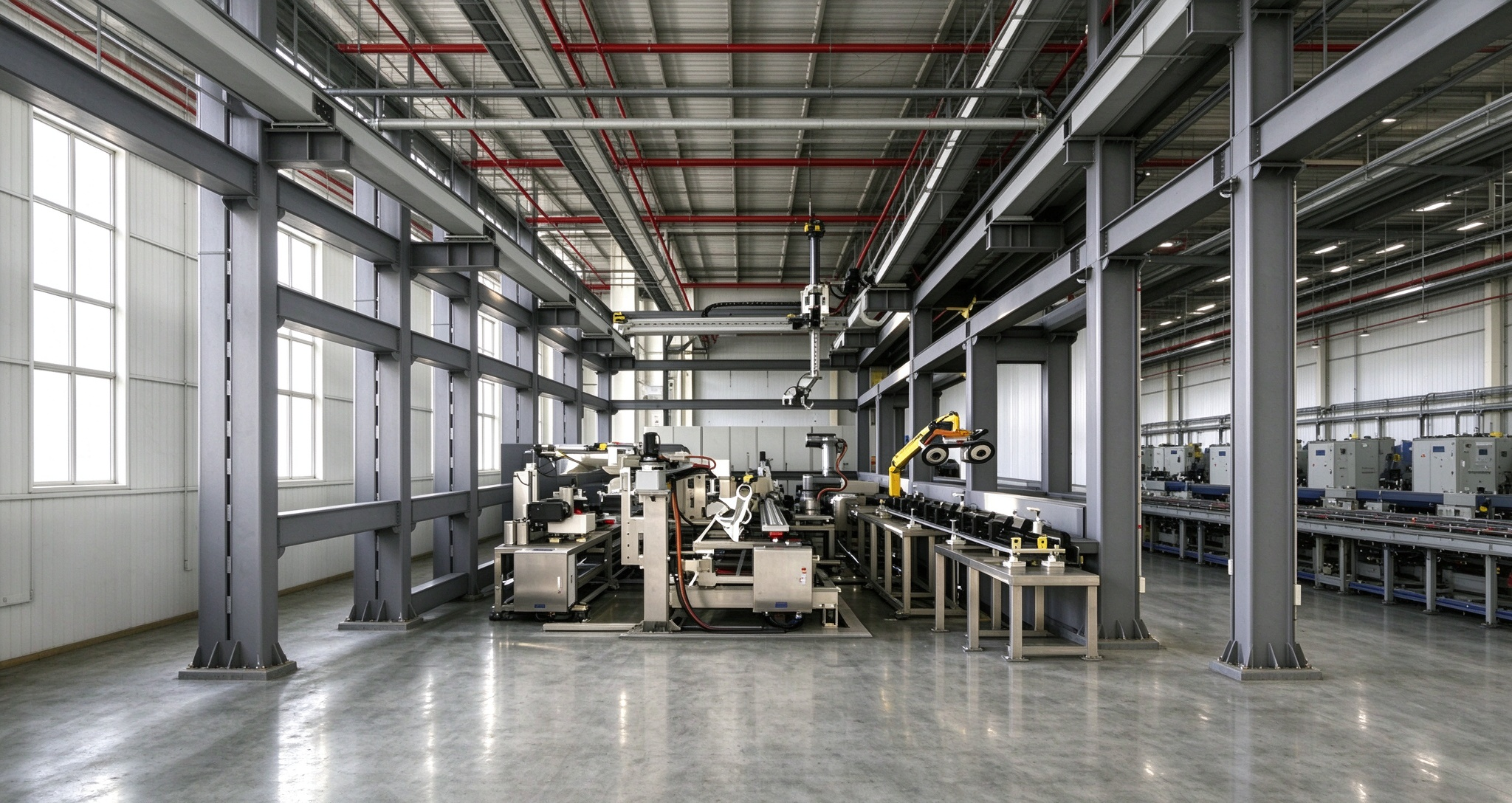
China Institute of Atomic Energy Successfully Completes Full-Process Experimental Verification of Post-Irradiation Fuel Assembly Reassembly Technology for Integrated Fast Reactor
Recently, the China Institute of Atomic Energy (CIAE) under China National Nuclear Corporation (CNNC) successfully completed the full-process experimental verification of post-irradiation fuel assembly reassembly technology for the integrated closed fuel cycle fast reactor nuclear energy system (referred to as the integrated fast reactor), and successfully developed a reassembly prototype, comprehensively verifying the technical feasibility. This achievement marks that CIAE has independently mastered the core technology of post-irradiation fuel assembly reassembly for fast reactors, laying a solid foundation for subsequent engineering applications and material and fuel research under higher irradiation dose conditions, and is of great significance for enhancing China's advanced nuclear fuel R&D level and promoting the development of the closed fuel cycle. The full-process experimental verification platform for post-irradiation fuel assembly reassembly technology...
2026-10-23
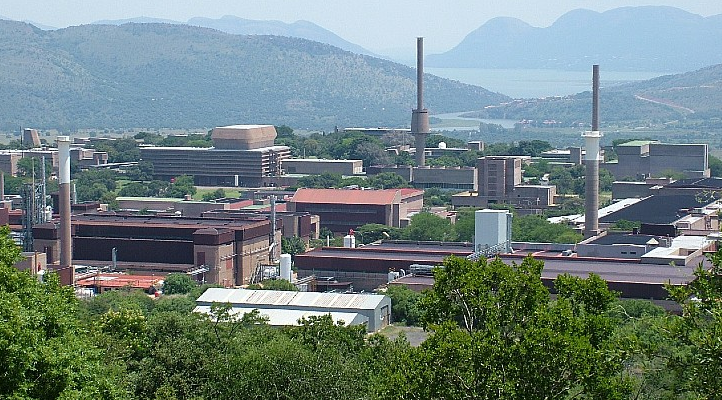
South Africa Advances High-Purity Low-Enriched Uranium Cooperation as Quantum Leap Energy Partners with Necsa to Build Facility
On October 19, 2026, Quantum Leap Energy, a subsidiary of U.S. advanced isotope technology company ASP Isotopes, and South Africa's state-owned nuclear energy company (Necsa) formally signed a binding letter of intent to establish a joint venture at the Pelindaba site in South Africa to jointly develop, finance, build and operate a test bench and commercial facility for high-assay low-enriched uranium (HALEU). It is understood that in the joint venture, Quantum Leap Energy will hold approximately 80% equity and be responsible for overall operations and fundraising, while Necsa will hold approximately 20% equity and provide site access, nuclear safety and regulatory support. The two parties also plan to sign an engineering, procurement and construction (EPC)...
2026-10-20
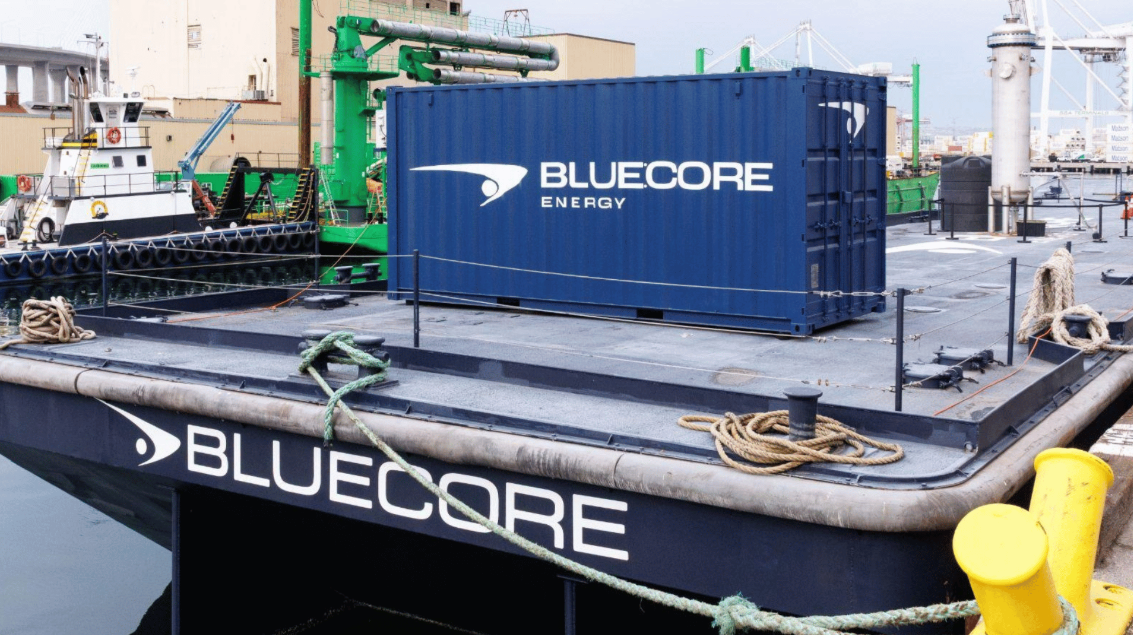
Bluecore Energy Completes $50 Million Financing and Secures Nuclear Fuel Supply, Accelerating Its First Floating Nuclear Power Plant Project
Recently, Bluecore Energy, a nuclear energy startup headquartered in California, USA, completed a $50 million seed round of financing to advance its compact water-cooled nuclear reactor project designed specifically for marine environments. The company has procured Low-Enriched Uranium Hexafluoride from nuclear fuel trader WMC Group. The batch of raw material is currently stored at a facility in California and will subsequently be converted into Uranium Dioxide and fabricated into fuel pellets for future hardware and system testing. It is understood that Bluecore Energy is conducting fuel-free...
2026-10-15
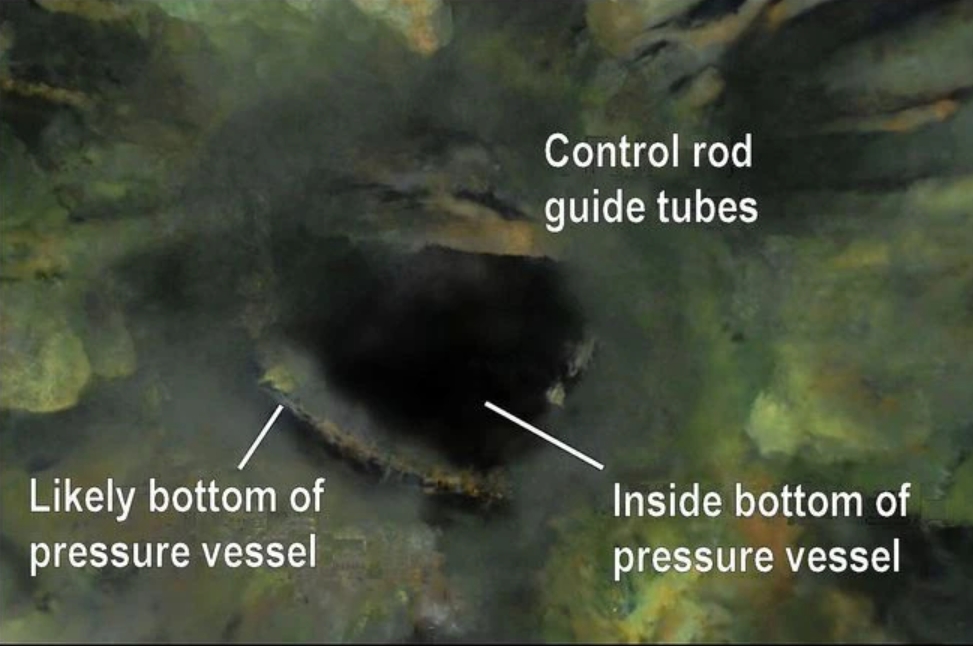
3-meter-wide hole found at bottom of Unit 3 reactor pressure vessel at Fukushima Daiichi Nuclear Power Station: molten nuclear fuel burned through the base plate, TEPCO advances evaluation of debris removal project
The latest investigation data released by Tokyo Electric Power Company (TEPCO) shows that an irregular circular hole with a maximum diameter of 3 meters exists at the bottom of the reactor pressure vessel (RPV) of Unit 3 at the Fukushima Daiichi Nuclear Power Station (Fukushima No. 1 NPP). This is the first time since the March 11, 2011 Great East Japan Earthquake triggered a tsunami and caused core meltdown that TEPCO has determined the specific shape and dimensions of the damaged bottom of the pressure vessel among the three reactors that experienced meltdown. The conclusion is based on image data obtained by a technical team in March this year using palm-sized micro-drones to conduct 21 flight surveys inside the containment vessel of Unit 3. Based on the multi-angle...
2026-10-11