
Shanghai Petrochemical's Black High-Density Polyethylene Special Material Obtains Nuclear Power Application Qualification
 Scan to share
On July 28, Shanghai Petrochemical disclosed that its self-developed black high-density polyethylene special material YGH041TLSH has passed the certification of the American Plastics Pipe Institute (PPI). After passing this certification, Shanghai Petrochemical has become the first domestic supplier of high-end polyethylene pipe materials with nuclear power application qualifications, marking a breakthrough in China's long-term reliance on imports for polyethylene pipe raw materials used in nuclear power water supply and drainage systems.
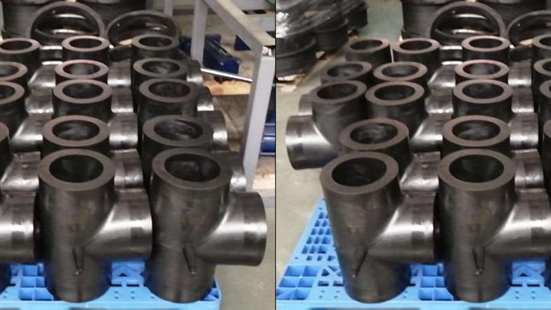
Nuclear power pipelines are one of the important supporting systems of nuclear power plants, with significantly higher requirements for material reliability and safety compared to ordinary municipal pipelines. Taking the 813 mm large-diameter pipeline used in the cooling system of a nuclear power plant as an example, its wall thickness is more than twice that of ordinary pipelines, and the design life requirement reaches 50 years, imposing higher demands on the long-term pressure-bearing capacity, weather resistance, and crack resistance of the pipeline material.
In the manufacturing of large-diameter thick-wall pipelines, "sagging" is a key challenge affecting product quality. When the pipeline diameter exceeds 800 mm, the wall thickness increases, and the plastic melt in the middle of the wall cools slowly. Under high temperature and its own gravity, it easily softens and sags, causing uneven wall thickness, which in turn affects the safety and stability of the pipeline.
Leveraging its accumulated expertise in polyethylene production technology, Shanghai Petrochemical continuously optimized core process indicators such as melt index and tensile strength, successfully developing and producing the large-diameter low-sag pressure pipe material polyethylene product YGH041TLSH in 2020. Compared with ordinary pipe materials, this product offers better sag resistance, weather resistance, and crack resistance, with a longer service life and enhanced safety and stability.
In January 2023, YGH041TLSH passed the long-term hydrostatic pressure test required by the PE4710 standard of the National Chemical Building Materials Testing Center. In June of this year, after testing and continuous optimization, the product passed all PPI certification audits and obtained the relevant qualifications for entry into the nuclear power application field.
In addition to the nuclear power field, this product can also be used in large-diameter pipeline manufacturing scenarios such as energy, mining, and municipal main pipelines. Shanghai Petrochemical stated that the breakthrough in polyethylene nuclear power materials helps ensure the independent controllability of key nuclear power materials and also provides "industry-university-research-application" collaborative innovation experience for the localization of high-end materials. Next, the company will continue to advance the research and development of new materials, promoting the localization substitution of more high-end products.
Disclaimer: Information republished from partner media, institutions or other websites is provided for reference and communication purposes only. It does not imply endorsement of its views or verification of its accuracy. Please contact us if any content infringes rights or requires correction.