
TEPCO says cooling interruption of spent fuel pool at Fukushima Daini Unit 1 due to human error
 Scan to share
Tokyo Electric Power Company (TEPCO) announced on July 29 that the event in April 2026, where the spent fuel pool cooling system at Unit 1 of the Fukushima Daini Nuclear Power Plant was shut down for approximately 32 hours, was determined to be caused by human error. At the time of the incident, the plant was in the decommissioning phase.
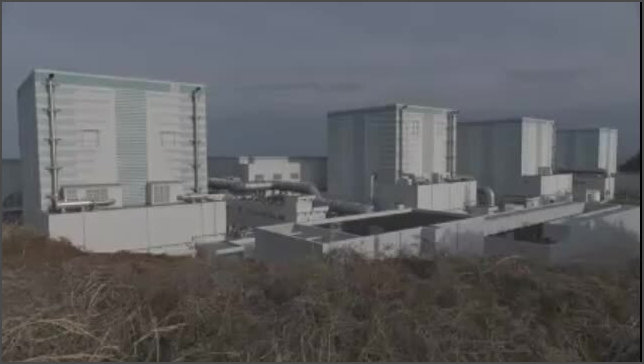
On April 5, a fault alarm was triggered by the cooling water circulation pump of Unit 1 at Fukushima Daini. After on-site personnel confirmed smoke from the equipment, the pump was stopped, resulting in an interruption of the spent fuel pool cooling system for about 32 hours. TEPCO previously stated that the cause was damage to the cable connecting the pump motor.
According to TEPCO's latest explanation, the cable melting may be related to the installation method when the cable was replaced in 2012. The replacement cable was excessively long, and a push-in method was used during installation, causing the cable connection to be subjected to sustained stress over a long period, eventually leading to melting and breakage. The company stated that the relevant work at that time prioritized repair, and there may have been deficiencies in cable installation management.
Currently, the spent fuel pool at Unit 1 of the Fukushima Daini Nuclear Power Plant stores a total of 2,534 fuel assemblies, including 2,334 spent fuel assemblies and 200 new fuel assemblies. When the pump stopped, the water temperature in the spent fuel pool was 26.5°C; after cooling resumed, the water temperature rose to 32.5°C. It was confirmed that these temperatures were all below the 65°C standard required to maintain facility integrity.
TEPCO also stated that before the cooling system was restored, readings from monitoring stations around the plant showed no significant fluctuations, confirming that the event had no radiological impact on the external environment.
Disclaimer: Information republished from partner media, institutions or other websites is provided for reference and communication purposes only. It does not imply endorsement of its views or verification of its accuracy. Please contact us if any content infringes rights or requires correction.