
Philippine DOE launches nuclear power plant site screening with IAEA support
 Scan to share
The Philippine Department of Energy (DOE) recently stated that it has begun preparing nuclear power plant site screening work in accordance with internationally recognized safety standards. Collaborating with experts from the International Atomic Energy Agency (IAEA), the DOE is wrapping up an intensive workshop on “Site and External Event Design” this week to strengthen the country's nuclear power plant site screening process. Energy Secretary Sharon Garin stated that “selecting the right site is one of the most critical decisions in developing a nuclear power program,” and that close collaboration with the IAEA ensures every step is guided by the highest international standards of science, rigorous technical assessment, and resilient public safety protection. The workshop brought together technical experts from the DOE and partner agencies alongside specialists from the IAEA's External Events Safety Section to share recognized methodologies for assessing potential sites against earthquakes, floods, volcanic activity, extreme weather, and other natural and human-induced risks.
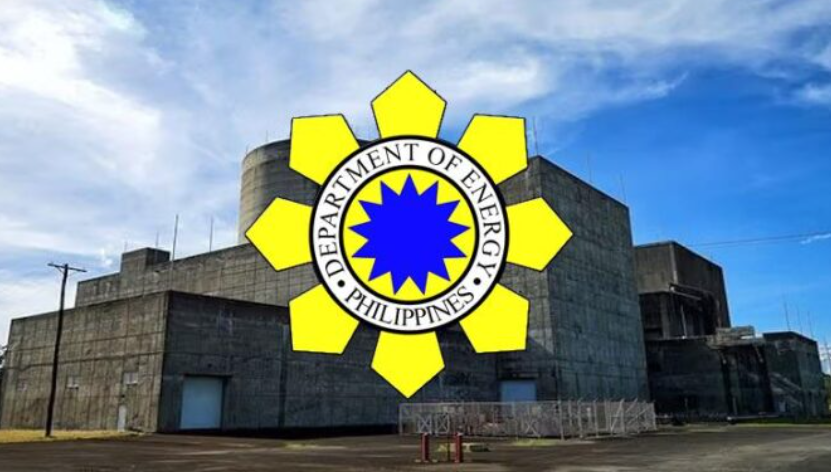
DOE Director Patrick Aquino stated that the department is finalizing the revised Guidelines for the Nuclear Power Capacity Bidding while simultaneously identifying proposed sites for the first nuclear power project; the revised guidelines will provide more detailed provisions on project sites, applicable technologies, transmission requirements, energy storage integration, and bid evaluation criteria before the bidding process commences. The department is evaluating whether future nuclear power projects should incorporate battery energy storage and pumped-storage hydropower to enhance grid reliability, enabling nuclear power to complement the country's expanding renewable energy portfolio. Earlier, President Ferdinand Marcos Jr. reaffirmed in his State of the Nation Address the long-term strategy of adopting nuclear power to strengthen energy security, ensure stable electricity supply, and reduce consumer costs; Garin stated that nuclear power can provide round-the-clock reliable electricity, attract high-value investments, strengthen the Philippines' competitiveness in semiconductors and advanced manufacturing, and create jobs.
The government recently finalized the National Nuclear Security Policy and Strategy and its action plan, establishing a comprehensive lifecycle protection framework for nuclear and other radioactive materials, facilities, and related activities; the DOE completed a technical workshop on the radioactive waste management technology assessment framework and finalized the strengthened National Radiation Emergency Preparedness and Response Plan, which defines operational procedures for nuclear and radiological emergencies and stronger inter-agency coordination mechanisms. Earlier this month, the Philippines hosted the ASEAN Nuclear Emergency Notification and Communication Exercise, bringing together ASEAN member states and international partners to simulate a nuclear incident and test regional coordination, emergency communications, and information sharing. The DOE stated that these initiatives reflect the country's steady progress in building the technical, regulatory, institutional, and emergency preparedness foundations necessary for the responsible introduction of nuclear power.
Disclaimer: Information republished from partner media, institutions or other websites is provided for reference and communication purposes only. It does not imply endorsement of its views or verification of its accuracy. Please contact us if any content infringes rights or requires correction.