
Rostov NPP Completes Preparations for Summer Peak Load
 Scan to share
Russia's Rostov NPP has completed a series of preparations for the summer peak load period to cope with abnormally high temperatures in southern Russia and the growth in summer electricity demand, ensuring stable power supply.
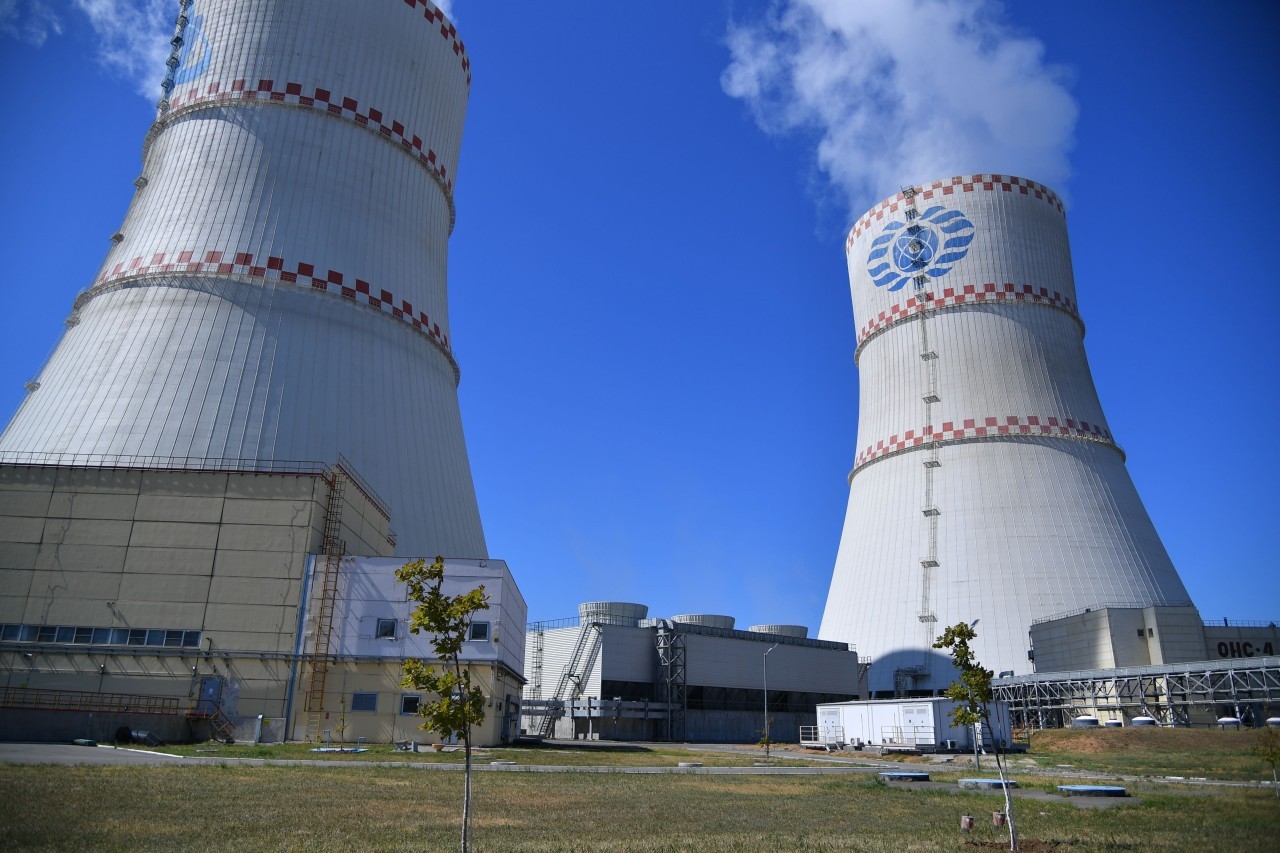
Located on the shore of the Tsimlyansk Reservoir, Rostov NPP is one of Russia's southernmost nuclear power plants and is part of the power division of Rosatom. The plant operates four VVER-1000 pressurized water reactor units, with each unit generating approximately 25 million kWh of electricity per day. Nuclear power accounts for more than 70% of electricity production in Rostov Oblast and approximately 30% of the unified power system of southern Russia.
To cope with the high temperatures, the plant has organized inspections of equipment, lightning protection systems, automatic fire suppression systems, drainage systems, stormwater discharge facilities, and specialized vehicles in advance, and has implemented a number of operational management measures. Staff have also received additional safety training, and the plant has strengthened monitoring of temperature conditions in cooling and fire protection systems.
Weather forecasts indicate that August 2026 in southern Russia could be one of the hottest months in recent decades. Local summer temperatures can exceed 40 degrees Celsius, with surface temperatures reaching 60 degrees Celsius. Against this backdrop, the fire protection and lightning protection systems at Rostov NPP have been placed on heightened alert, with the plant focusing on ensuring continuous and reliable operation of equipment under high-temperature conditions.
To maintain optimal operating conditions for the equipment of Units 3 and 4, the plant has installed mechanical draft cooling tower systems. The equipment for Unit 3 has been in operation since 2021, while construction of the mechanical draft cooling tower for Unit 4 began in 2025 and is scheduled for commissioning in 2027.
Andrey Gorbunov, Chief Engineer of Rostov NPP, stated that the mechanical draft cooling towers perform well during summer high-temperature periods and, when used in conjunction with the natural draft evaporative cooling towers, ensure reliable unit operation and continuous power generation without reducing reactor power.
It is reported that Russian nuclear power plants incorporate a high safety margin in their designs, enabling them to adapt to extreme climatic conditions such as severe cold and high heat. Different sites adopt corresponding engineering measures based on regional climate characteristics to ensure safe and stable operation of units under complex weather conditions.
Disclaimer: Information republished from partner media, institutions or other websites is provided for reference and communication purposes only. It does not imply endorsement of its views or verification of its accuracy. Please contact us if any content infringes rights or requires correction.