
Smolensk NPP Passes Special Safety Inspection by Rosenergoatom
 Scan to share
A team of experts from Rosenergoatom has recently completed a special safety inspection at the Smolensk Nuclear Power Plant. The inspection results will be used to further enhance safety management at the plant and at other NPPs operated by the company.
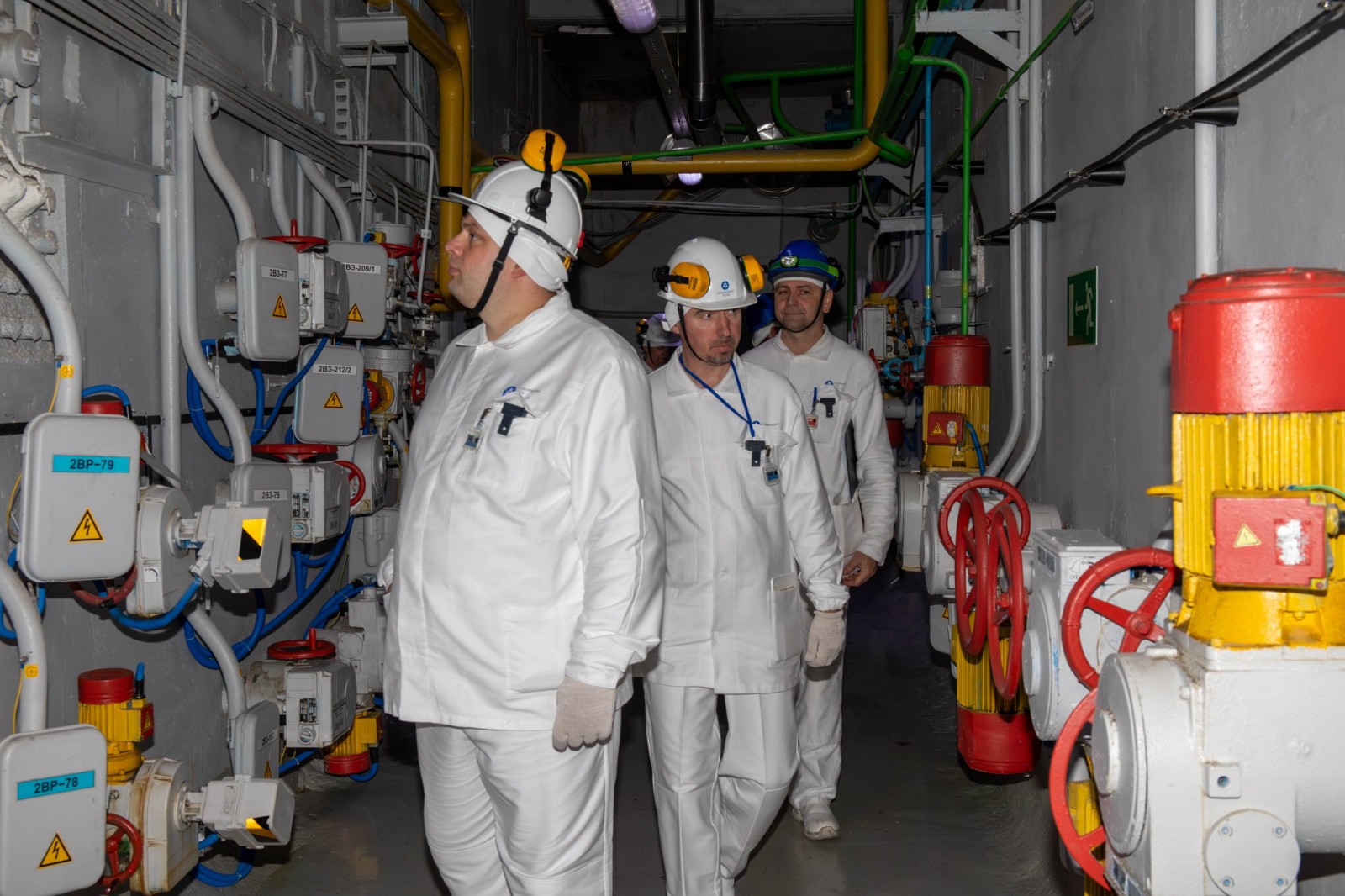
The inspection was carried out by a commission comprising representatives from Rosenergoatom's headquarters and the Leningrad, Rostov, and Balakovo NPPs. Similar special inspections are conducted at Russian nuclear power plants on a regular basis, with methodologies referencing the relevant standards of the International Atomic Energy Agency (IAEA) and the World Association of Nuclear Operators (WANO), to assess compliance of the plants with domestic and international safety requirements.
The inspection lasted two weeks and covered eight functional areas, including management and organization, operations, maintenance and repair, engineering support, radiation protection, personnel selection and training qualification, radioactive waste management, and environmental protection. The commission also placed special emphasis on safety culture and leadership development, as these two elements permeate all production activities at a nuclear power plant.
During the inspection, the expert team reviewed relevant documents, visited workshops and departments, held discussions with staff, assessed the condition of equipment and systems, and observed personnel operations on site, plant-wide emergency drills, shift handover procedures for main control room operators, and the organization of hands-on training on the full-scope main control room simulator at the training department.
According to the preliminary report, the commission confirmed that the Smolensk NPP has developed good practices in a number of areas. In particular, the risk management approach for processes within the integrated management system, as well as the monitoring mechanism for target indicators and work plans, received high praise. This mechanism is built around the plant's "goal tree" and covers managers at all levels, helping to increase employee engagement in overall work results.
The expert team also noted that operators use electronic tablets during spent fuel management, which helps reduce the risk of human error; television screens installed in office and administrative buildings continuously broadcast news and operational information about the plant, enabling staff to stay informed of on-site developments; and the plant's equipment and facilities are well maintained. The safety culture assessment showed that the plant has reached a systematic and mature level and is progressing toward a proactive and preventive level.
The commission also identified several areas for improvement, including strengthening in-depth analysis and critical review of operational deviations, enhancing control over maintenance execution, strictly implementing process and operational requirements during equipment maintenance and repair, and improving the quality of operational and maintenance documentation.
The director of the Smolensk NPP stated that the independent assessment helps the plant gain a comprehensive understanding of its strengths and weaknesses, and the relevant recommendations will be incorporated into future efforts to enhance safety and reliability.
The Smolensk NPP is a Rosenergoatom-operated plant located in the Smolensk Region of Russia, approximately 150 kilometers from the city of Smolensk. The plant currently has three units in commercial operation, each with an electrical output of 1,000 MW, generating more than 20 billion kWh of electricity annually.
Disclaimer: Information republished from partner media, institutions or other websites is provided for reference and communication purposes only. It does not imply endorsement of its views or verification of its accuracy. Please contact us if any content infringes rights or requires correction.