
Institute of Radiation Medicine, Chinese Academy of Medical Sciences Hosts Academic Seminar on PSMA-Targeted Radiopharmaceuticals
 Scan to share
On August 3, the Institute of Radiation Medicine, Chinese Academy of Medical Sciences held an academic seminar, inviting Professor Lin Guoxian from the BC Cancer Agency in Vancouver, Canada, to deliver a lecture titled "Development of Prostate-Specific Membrane Antigen-Targeted Radiopharmaceuticals for the Diagnosis and Treatment of Prostate Cancer." The seminar was held in a hybrid format, with some researchers and graduate students from the institute attending in person.
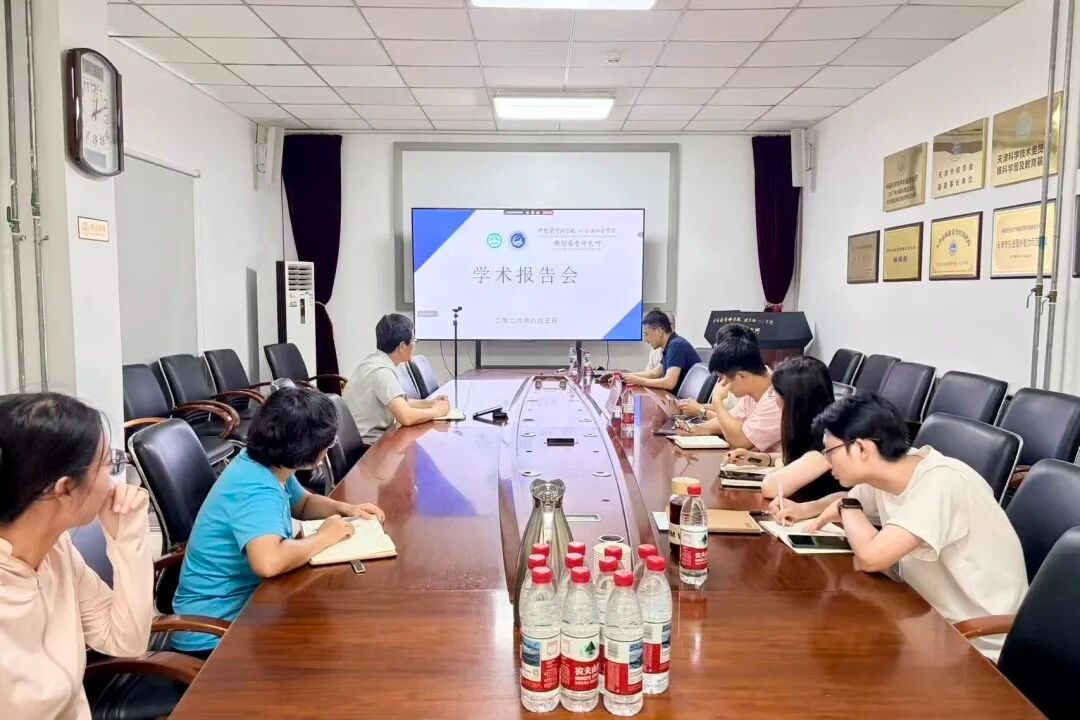
Professor Lin Guoxian has long been engaged in the development of targeted radiopharmaceuticals for cancer diagnosis and therapy, having led or contributed to the publication of over 135 peer-reviewed journal articles, filed more than 30 patent applications related to radiopharmaceuticals, and completed clinical translation of 7 self-developed radiopharmaceuticals applied in the diagnosis and treatment research of various tumors.
During the presentation, Professor Lin focused on prostate-specific membrane antigen (PSMA), an important target for prostate cancer, and introduced his team's progress in radiopharmaceutical development. The content covered the molecular design and clinical advantages of F-18-labeled PSMA-targeted PET imaging agents; the improvement of tumor targeting of Lu-177-labeled therapeutic radiopharmaceuticals through rational optimization of molecular structures, while reducing uptake in normal organs such as the kidneys and salivary glands; as well as research progress on the use of the alpha-emitting radionuclide Ac-225 for prostate cancer treatment and adjuvant administration strategies, providing reference approaches for mitigating potential toxic side effects of radiopharmaceuticals.
After the presentation, attendees engaged in discussions with Professor Lin on topics including criteria for evaluating high-quality radiopharmaceutical targets, the application of artificial intelligence in radiopharmaceutical design, structure-activity relationships of chelators and metals, radionuclide therapy, and radiation protection.
The Institute stated that this seminar provided a communication platform for academic exchange in the field of radiation medicine both domestically and internationally. The related research findings are of reference significance for advancing innovation in targeted radionuclide diagnostic and therapeutic agents, as well as for conducting radiation protection research related to radiopharmaceutical side effects. In the future, the Institute will continue to deepen academic cooperation and promote innovation in radiation medicine research through high-level academic exchanges.
Disclaimer: Information republished from partner media, institutions or other websites is provided for reference and communication purposes only. It does not imply endorsement of its views or verification of its accuracy. Please contact us if any content infringes rights or requires correction.