
Japanese research team uses PET imaging to find tau protein pathology may be involved in onset of hallucinations and delusions in middle-aged and elderly
 Scan to share
A research team comprising the National Institutes for Quantum Science and Technology (QST), Keio University, Kyoto University, Tokyo University of Science, and other institutions recently announced that researchers used PET imaging to observe tau protein pathology in the living brains of middle-aged and elderly psychiatric patients, and believe that such pathology may be related to psychiatric symptoms such as hallucinations and delusions that first appear after age 40.
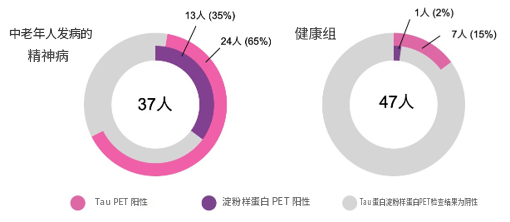
Proportion of positive tau PET and amyloid PET results
Middle-aged and elderly psychosis generally refers to diseases in which psychiatric symptoms such as hallucinations and delusions first appear after age 40. Previous epidemiological studies and postmortem brain tissue studies have suggested that such symptoms may be related to neurodegenerative changes associated with dementia, but due to limited techniques for precise visualization and quantification of abnormal proteins in living brains, relevant evidence has long been insufficient.
In this study, the researchers used the tau protein PET radiopharmaceutical flutemetamol (18F) developed by QST, combined with amyloid PET examination, to analyze 37 patients who developed psychotic symptoms after age 40 and 47 healthy elderly individuals. The results showed that the tau PET positivity rate in the patient group was approximately 65%, significantly higher than the 15% in the healthy control group; the amyloid PET positivity rate was 35% in the patient group and 2% in the healthy control group. Among the 13 psychiatric patients with positive amyloid PET results, 12 were also positive for tau PET.
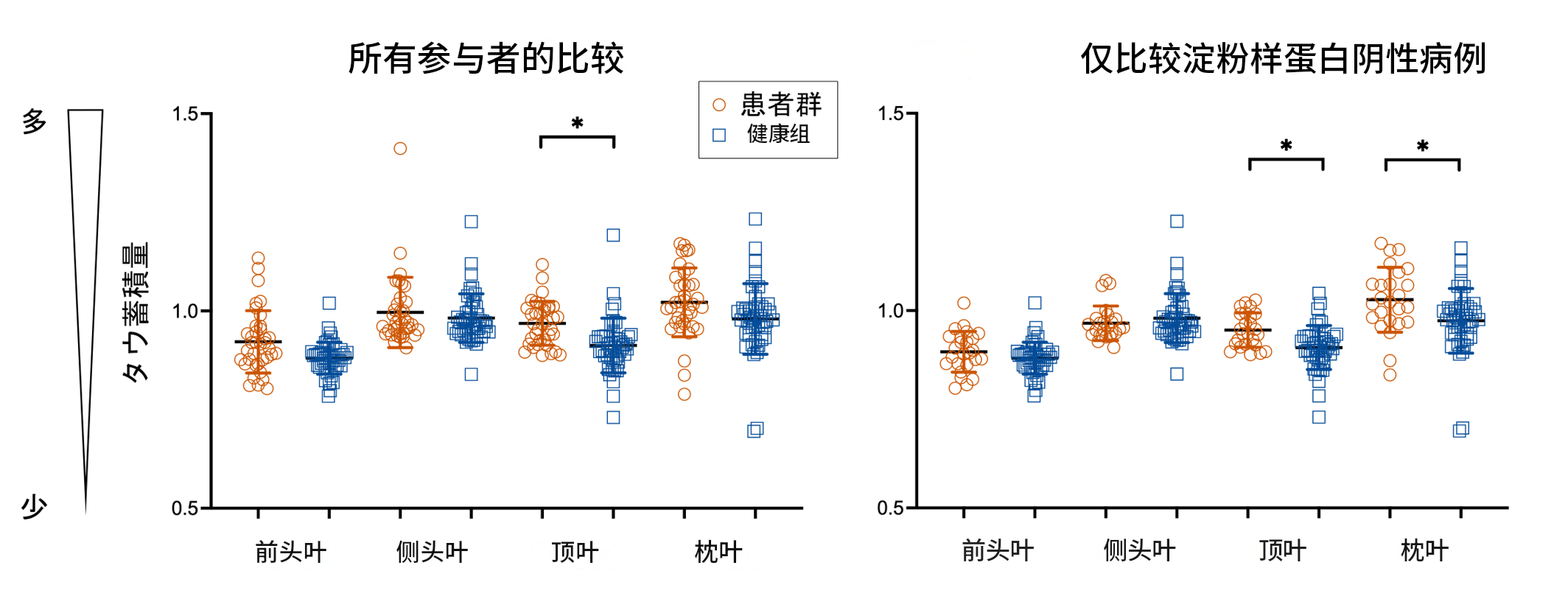
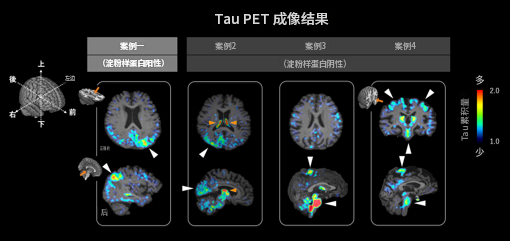
The study also found that the patterns of tau protein deposition in patients' brains were not uniform. Some cases matched the Alzheimer's disease-type characteristics accompanied by β-amyloid deposition, while other cases belonged to the non-Alzheimer's disease type without β-amyloid deposition. The research team believes this suggests that multiple neurodegenerative disease-related pathological changes may be involved in the onset of psychotic symptoms in middle-aged and elderly individuals.
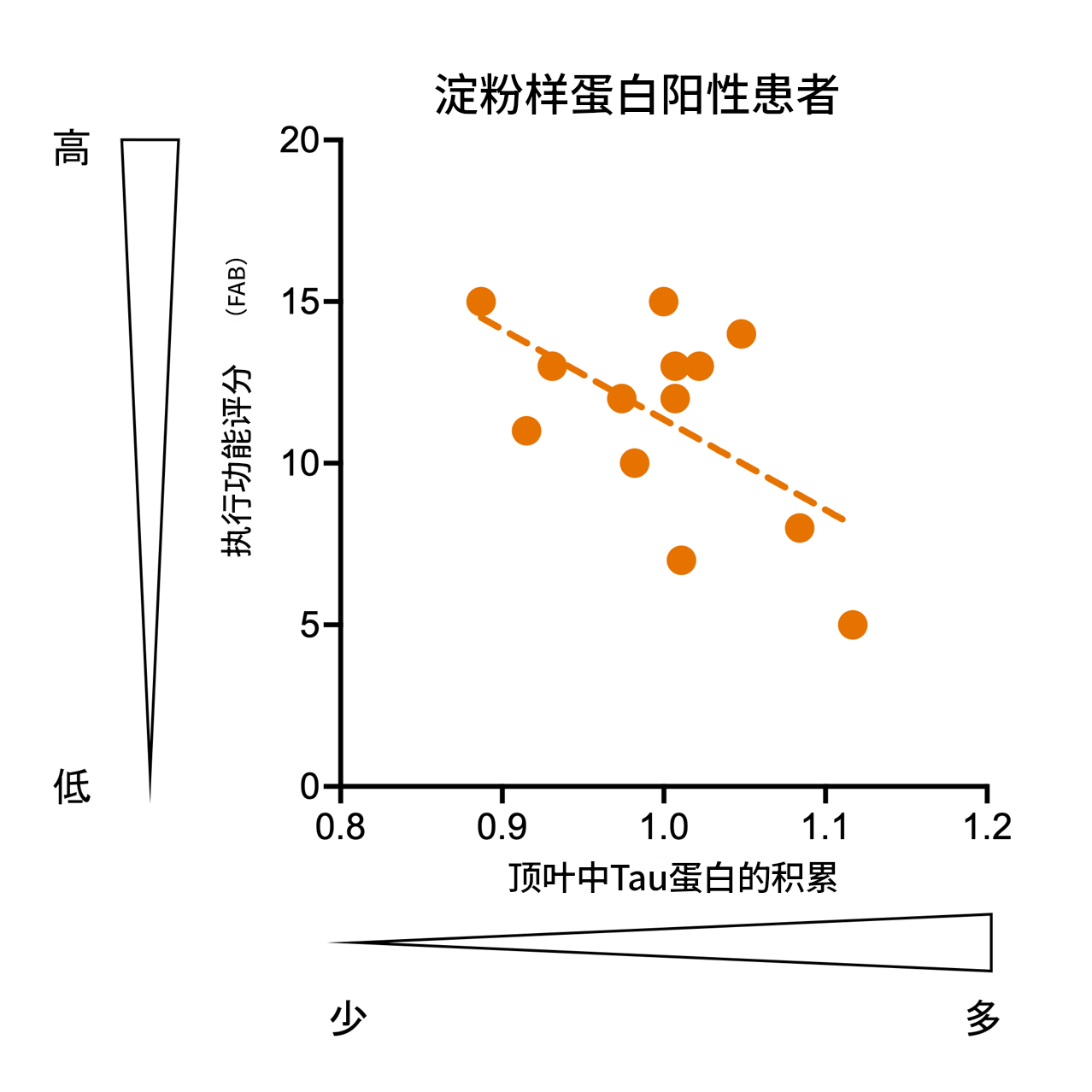
In further analysis, the researchers observed that among amyloid PET-positive cases, greater tau protein accumulation was associated with lower executive function scores in patients, involving cognitive functions such as planning ability and attentional control. This result indicates that tau protein pathology may be linked not only to pathological changes in the brain but also to actual clinical manifestations.
The research team stated that this finding provides living-brain imaging evidence for the notion that "psychotic symptoms emerging in middle and old age may be prodromal manifestations of dementia." In the future, objective assessment of pathological changes such as β-amyloid and tau proteins through PET is expected to promote early diagnosis and early intervention for related diseases, and to provide a basis for the development of targeted therapeutic drugs tailored to the pathological characteristics of different patients.
The research findings were published online in Molecular Psychiatry on August 3, 2026.
Disclaimer: Information republished from partner media, institutions or other websites is provided for reference and communication purposes only. It does not imply endorsement of its views or verification of its accuracy. Please contact us if any content infringes rights or requires correction.