
Türkiye Plans 17,000-Ton Uranium Drilling Program, Accelerating Nuclear Energy Autonomy Strategy
 Scan to share
Türkiye is advancing a new round of exploration around a uranium deposit reportedly totaling 17,000 tons, planning drilling at 47 different points to further confirm ore body distribution, grade levels, and economic viability for extraction. This move is positioned within the context of Türkiye's energy supply security and nuclear energy development strategy, aiming to provide more domestic resource support for future nuclear fuel assurance.
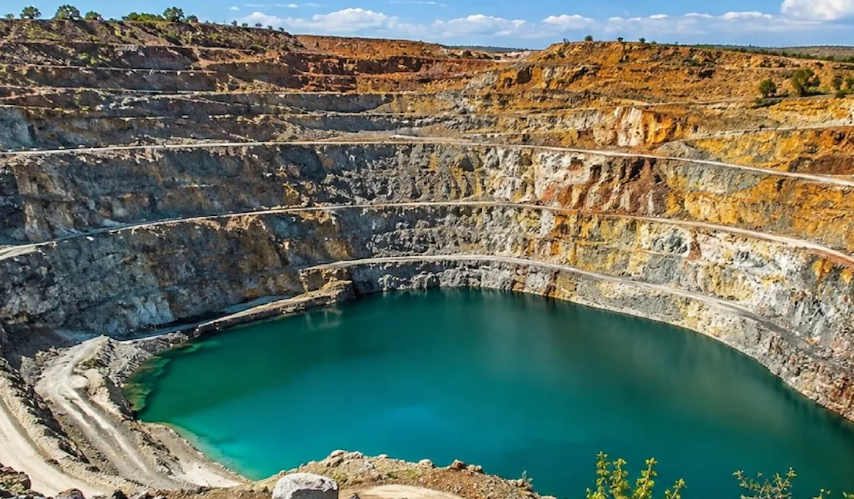
From an energy strategy perspective, uranium resource exploration is not merely a standalone mining project but part of Türkiye's efforts to reduce external energy dependence. Türkiye has long relied on imported energy, with external supplies of natural gas, oil, and other resources impacting its energy costs and macroeconomic performance. Against the backdrop of many countries worldwide reassessing the value of nuclear energy and emphasizing stable low-carbon power sources, Türkiye's ability to confirm and develop domestic uranium resources would help strengthen its initiative in the nuclear fuel chain.
For this drilling campaign across 47 points, the key is not merely verifying the "17,000 tons" reserve figure, but more importantly assessing uranium grade, burial conditions, extraction difficulty, environmental requirements, and commercial feasibility. The path from geological uranium reserves to actually usable nuclear fuel involves complex stages including mining, milling, conversion, enrichment, and fuel assembly manufacturing. Therefore, exploration results represent an early but significant step in the nuclear localization chain.
Türkiye has continued advancing nuclear power plant construction in recent years, with major projects such as the Akkuyu Nuclear Power Plant serving as core vehicles for expanding its nuclear installed capacity. In this context, confirmation of domestic uranium resources will align policy-wise with nuclear expansion: on one hand, it helps strengthen the energy supply security narrative; on the other, it provides potential room for reducing fuel import dependence in the future. However, whether this can truly translate into cost advantages still depends on subsequent mining conditions, technological systems, regulatory approvals, and changes in the international nuclear fuel market.
This project also signals that Türkiye's energy policy is extending from "building nuclear power plants" to "securing upstream resources." If drilling results prove the deposit has favorable development value, Türkiye's positioning in the nuclear energy industrial chain will become more complete; if grade or mining conditions prove unfavorable, the project can still provide baseline data for national mineral resource assessment and long-term energy planning.
Disclaimer: Information republished from partner media, institutions or other websites is provided for reference and communication purposes only. It does not imply endorsement of its views or verification of its accuracy. Please contact us if any content infringes rights or requires correction.