
Search Results
Keyword:energy security
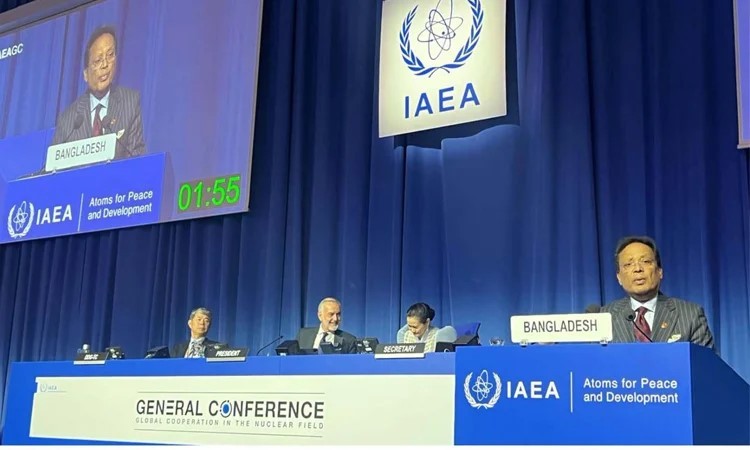
Bangladesh Reaffirms Commitment to Peaceful Uses of Nuclear Technology
Minister of Science and Technology Fakir Mahbub Anam recently attended the 70th General Conference of the International Atomic Energy Agency (IAEA) on behalf of Bangladesh, where he reaffirmed Bangladesh's firm commitment to the peaceful uses of nuclear technology and its dedication to the highest safety standards and strengthened international cooperation. This statement highlights Bangladesh's increasingly important position and sense of responsibility in the field of nuclear technology. In a statement by the delegation in Vienna, Bangladeshi Prime Minister Tarique Rahman expressed congratulations to the President of the IAEA General Conference, and also expressed gratitude to IAEA Director General Rafael Mariano Grossi for his outstanding role in promoting the peaceful uses of nuclear technology and international cooperation...
2026-09-16
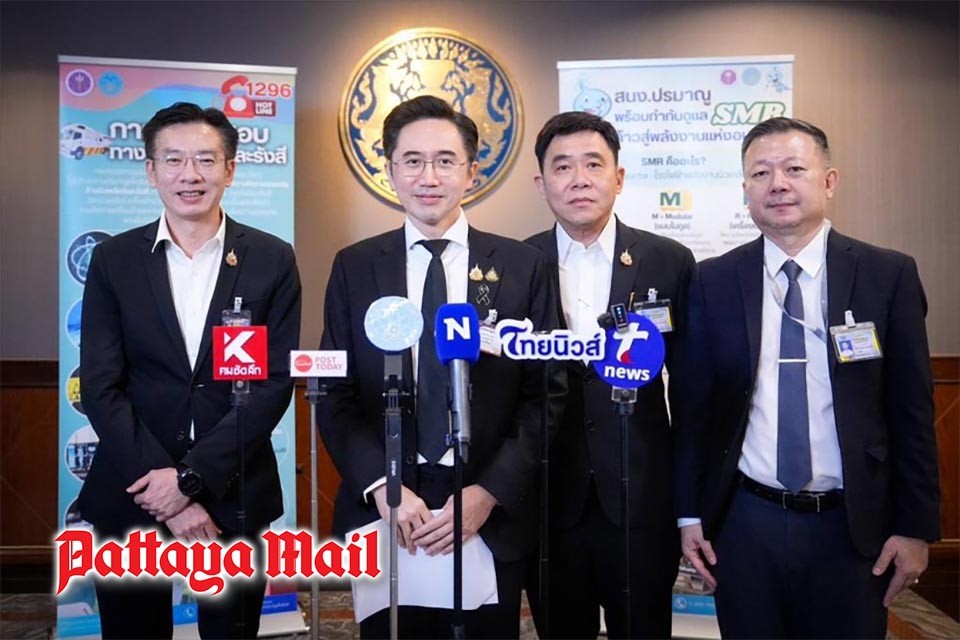
Thailand Advances SMR Regulatory Preparedness to Strengthen Energy Security
On September 8, 2026, Thailand's Deputy Prime Minister and Minister of Higher Education, Science, Research and Innovation, Yodchanan Wongsawat, chaired the second meeting of the Nuclear Energy for Peace Committee in 2026 at Government House. The meeting discussed Thailand's long-term nuclear energy strategy and preparatory work on the regulatory framework, talent development, and industrial supply chain for Small Modular Reactors (SMRs). The Thai government emphasized that these efforts constitute preliminary capacity building and do not imply a decision to construct nuclear power plants. The meeting approved an SMR regulatory policy framework, which draws on relevant standards of the International Atomic Energy Agency (IAEA)...
2026-09-09

UK Poll Shows Nuclear Power as Respondents' Top Choice for Future Power Source
A latest YouGov survey commissioned by Eland Cables shows that the British public broadly supports the development of renewable energy, but many respondents remain skeptical about its ability to independently deliver low-cost, stable power supply. Among priority options for future power sources, nuclear power ranks first with 21% support, higher than solar power's 19% and offshore wind's 18%. The survey results show that 47% of UK respondents support the construction of nuclear power plants. However, when nuclear projects are set to be built locally in respondents' areas, the support rate drops to 38%, reflecting a disparity in acceptance of nuclear projects at the national versus local level. On renewable energy...
2026-08-30
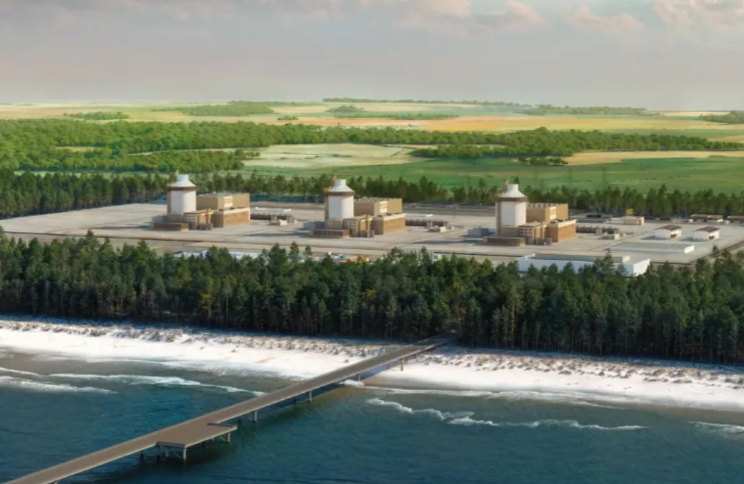
Polish President Signs Key Nuclear Power Bill, Allowing Early Construction Works to Start Ahead of Schedule
Polish President Karol Nawrocki signed an amendment to the Act on the Preparation and Implementation of Nuclear Energy Facilities and Associated Investments on August 14, aiming to accelerate the construction of nuclear power plants in the country. According to information released by the Presidential Chancellery, the core of this legal adjustment is to allow certain preliminary construction and preparation works to proceed before the final construction permit for the entire project is granted, thereby shortening the timeline for large-scale nuclear projects. The amendment concerns Polish laws related to the preparation and implementation of nuclear energy facilities and associated investments. The new regulations introduce a new type of permit, namely the permit for preliminary construction works of nuclear energy facilities. Once this permit is obtained, the investor can carry out some early-stage construction and preparation works before all complete project investment documents have been fully approved.
2026-08-14
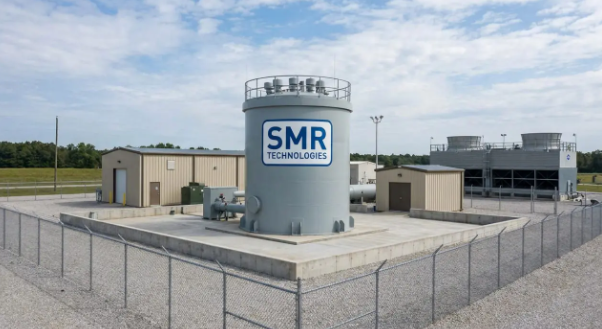
Türkiye Maps Out Small Modular Reactors, Targeting 5,000 MW Installed Capacity by 2050
Türkiye is positioning small modular reactors (SMRs) as a new breakthrough in its nuclear energy strategy. Under relevant plans, Türkiye aims to achieve approximately 5,000 MW of SMR installed capacity by 2050, a scale that would surpass the Akkuyu Nuclear Power Plant project. For Türkiye, which has long sought to reduce its external energy dependence, SMRs are seen as a strategic opportunity combining energy security, industrial upgrading, and technological competitiveness. Compared with traditional large-scale nuclear power plants, SMRs feature smaller installed capacity and more flexible deployment, typically ranging from 10 MW to 300 MW; micro modular reactors below 10 MW are even smaller and can be transported by truck. Reports note that such reactors can be deployed in...
2026-08-13
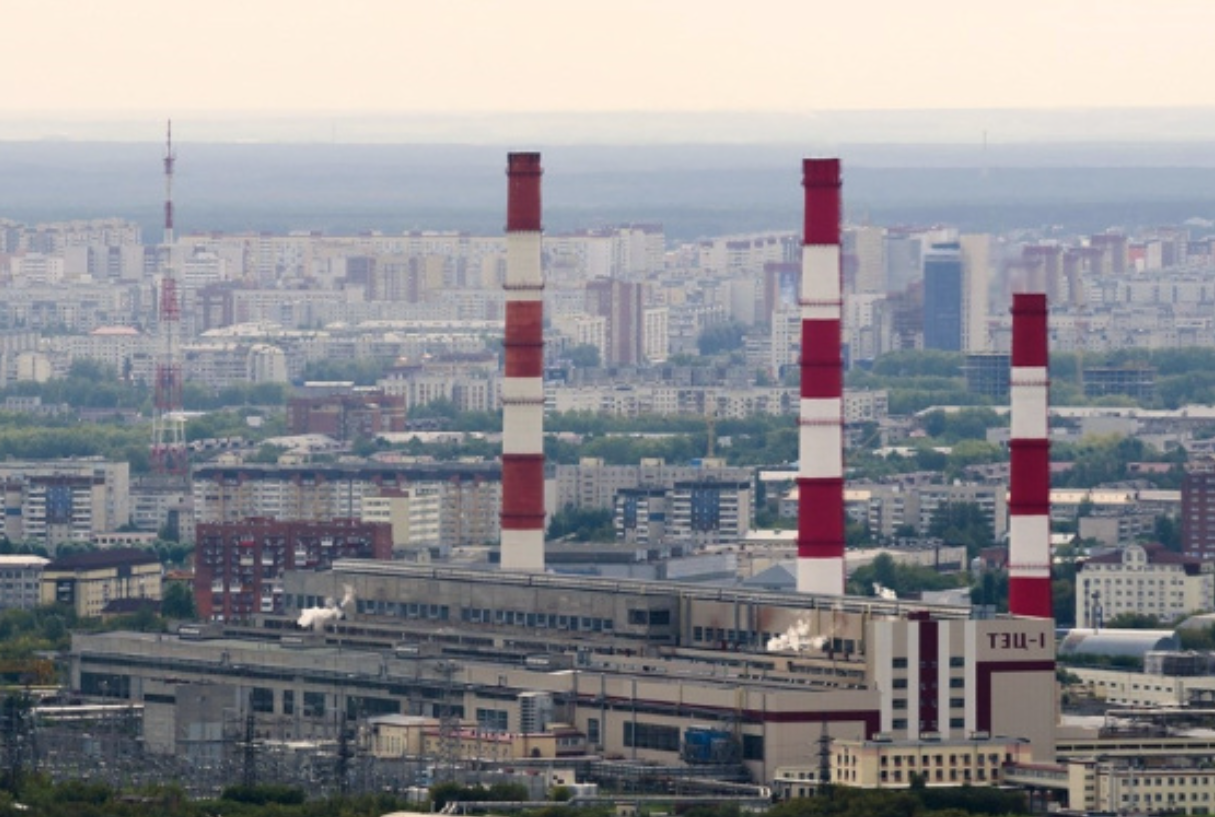
Russia's National Anti-Terrorism Committee Demands Enhanced Security for Energy and Nuclear Facilities
On August 12, Russia's National Anti-Terrorism Committee (NAK) held a meeting chaired by Alexander Bortnikov, Director of the Federal Security Service, to discuss security issues at transportation, fuel-energy complex, and nuclear energy industrial facilities. The Committee emphasized the need to strengthen comprehensive security safeguards and respond more effectively to sabotage and terrorist threats. The meeting proposed that protecting energy and nuclear industrial facilities should not remain at the institutional level alone, but rather should develop more targeted priority tasks based on evolving actual risks. Damage to fuel-energy systems and nuclear industrial facilities could affect the stability of energy supply and trigger broader security risks, which is why their level of protection is regarded as...
2026-08-13
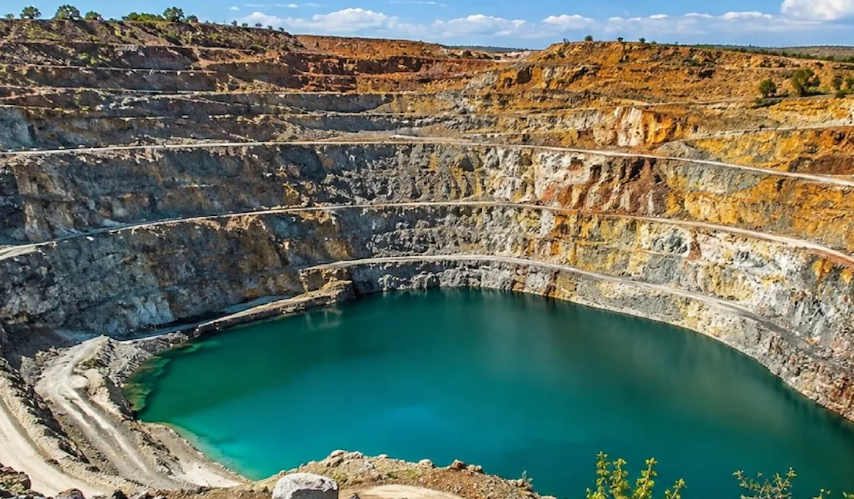
Türkiye Plans 17,000-Ton Uranium Drilling Program, Accelerating Nuclear Energy Autonomy Strategy
Türkiye is advancing a new round of exploration around a uranium deposit reportedly totaling 17,000 tons, planning drilling at 47 different points to further confirm ore body distribution, grade levels, and economic viability for extraction. This move is positioned within the context of Türkiye's energy supply security and nuclear energy development strategy, aiming to provide more domestic resource support for future nuclear fuel assurance. From an energy strategy perspective, uranium resource exploration is not merely a standalone mining project but part of Türkiye's efforts to reduce external energy dependence. Türkiye has long relied on imported energy, with external supplies of natural gas, oil, and other resources impacting its energy costs and macroeconomic performance. Globally...
2026-08-10
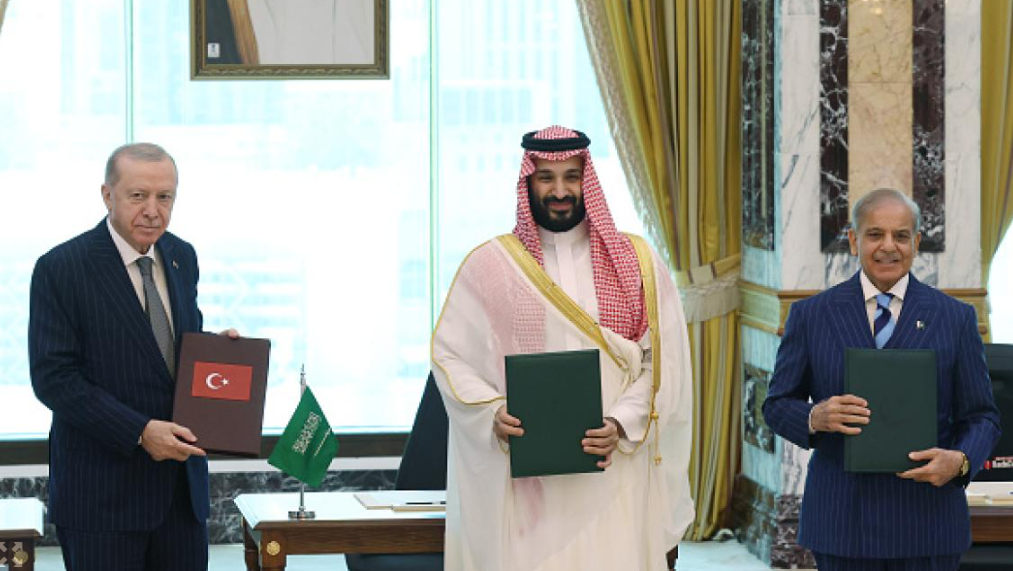
The Mecca Mutual Defense Agreement Opens a "Finance-Industry-Nuclear" Triad, with Nuclear Energy as an Energy Security Sub-route among Six Economic Pathways
On August 7, Saudi Arabia, Turkey, and Pakistan signed the Mutual Defense Agreement in Mecca, attended by Saudi Crown Prince Mohammed bin Salman, Turkish President Erdogan, and Pakistani Prime Minister Shehbaz Sharif. The agreement binds Saudi financial weight + Turkish defense industry and manufacturing base + Pakistani nuclear and military experience into a single framework for the first time, stipulating that an armed attack on any one country is considered an attack on all, and covers joint defense industry, technology exchange, and training planning coordination. Saudi officials clarified that the agreement does not point to a military axis, religious bloc, or nuclear arms race, but rather to building self-sustaining capabilities. The New Arab, citing IISS, Chatham House, and Reuters/AP analyses...
2026-08-10
Romania in Talks to Purchase 300 Tons of Uranium from Niger, Nuclear Fuel Supply Diversification Faces Legal Uncertainties
Romania's state-owned nuclear power company Nuclearelectrica has initiated negotiations to purchase 300 tons of uranium from Niger, against the backdrop of Romania's push to diversify its external nuclear fuel sources. The talks began on April 13, 2026, with Niger's Minister of Mines Ousmane Abarchi responding positively, after which the Romanian delegation continued engagement with the Nigerien side. The transaction is valued at approximately $40 million, but Nuclearelectrica has emphasized that no final agreement has been reached yet. The potential appeal of this uranium supply lies in Romania's expanding nuclear power development plans, while domestic large-scale uranium mining has ceased. As the operator of the Cernavodă nuclear power plant...
2026-08-10
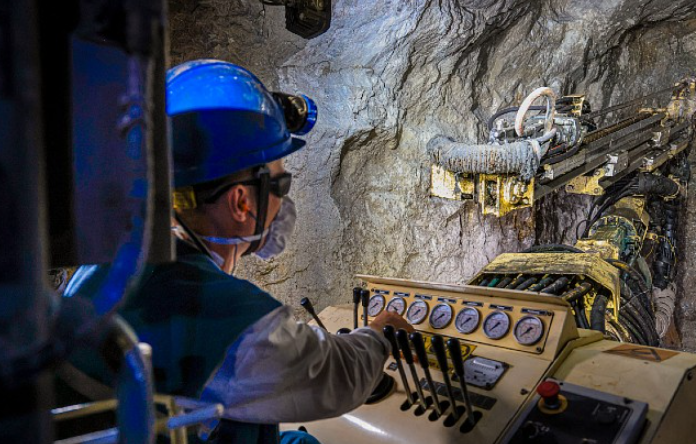
Progress in Russia's Khilonduevskoye Uranium Deposit Development: 3 Kilometers of Mine Workings Completed Ahead of Schedule
The mining division of Russia's Rosatom recently announced that underground mining crews completed three kilometers of mine workings ahead of schedule during the development of the Khilonduevskoye deposit. This milestone, originally planned for completion on August 10, was achieved by a team of workers from the Priargunsky Industrial Mining and Chemical Union (PIMCU), which is part of Rosatom Nedra. According to PIMCU, this mine connection will significantly optimize the ventilation system at the fourth level of the Khilonduevskoye deposit and improve the efficiency of rock block loading, laying the foundation for subsequent development work. The company's CEO, Ivan Kiselev, stated that this connection is of critical importance to the company, as it not only links two sections of the mine but also fundamentally transforms the logistics and safety of fourth-level operations.
2026-07-31