
Polish President Signs Key Nuclear Power Bill, Allowing Early Construction Works to Start Ahead of Schedule
 Scan to share
Polish President Karol Nawrocki signed an amendment to the Act on the Preparation and Implementation of Nuclear Energy Facilities and Associated Investments on August 14, aiming to accelerate the construction of nuclear power plants in the country. According to information released by the Presidential Chancellery, the core of this legal adjustment is to allow certain preliminary construction and preparation works to proceed before the final construction permit for the entire project is granted, thereby shortening the timeline for large-scale nuclear projects.
The amendment concerns Polish laws related to the preparation and implementation of nuclear energy facilities and associated investments. The new regulations introduce a new type of permit, namely the permit for preliminary construction works of nuclear energy facilities. Once this permit is obtained, the investor can carry out some early-stage construction and preparation works before all complete project investment documents have been fully approved. This means that nuclear power projects will no longer have to wait for all approvals to be completed before starting on-site works, facilitating a phased approach to construction organization.
Both the Polish government and the Presidential Chancellery regard nuclear energy as a key pillar of the future energy system. In a statement, the Presidential Chancellery emphasized that Nawrocki considers nuclear power to be one of the critical foundations for Poland's future development and energy sovereignty. For Poland, which has long relied on coal and faces pressures from energy transition and supply security, nuclear power is expected to provide a stable, low-carbon, and controllable source of electricity.
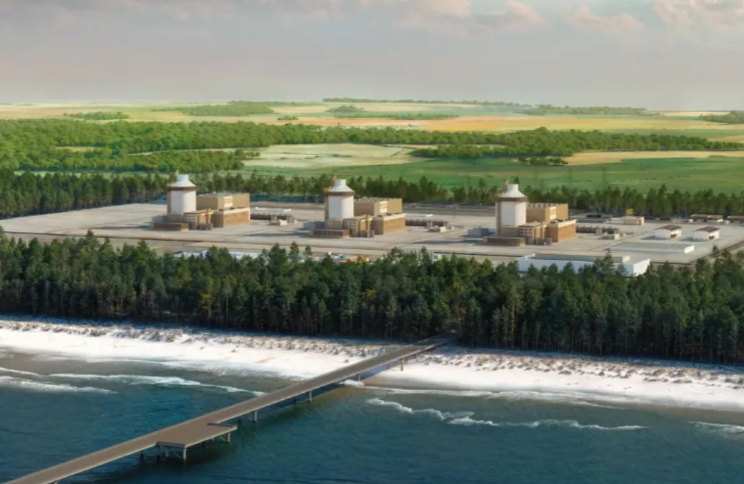
Poland's first nuclear power plant is planned to be built in the municipality of Choczewo in the Pomerania region. The project investor is Polskie Elektrownie Jądrowe, and the contractor is a consortium consisting of Westinghouse Electric and Bechtel. According to current plans, the first reactor is scheduled to enter commercial operation in 2036, with the subsequent two units expected to start up in 2037 and 2038, respectively. This legal adjustment will provide a more flexible institutional framework for the preliminary works of this project.
The significance of this amendment goes beyond accelerating the construction of a single nuclear power project; it also reflects Poland's efforts to clear procedural obstacles for energy structure transformation through legislative means. While maintaining high nuclear safety standards, allowing investment to proceed in phases helps reduce time gaps between permitting and construction and enhances the certainty of project execution. For Poland, whether the first nuclear power plant can proceed on schedule will directly affect its future electricity supply, emission reduction targets, and energy independence capabilities.
Disclaimer: Information republished from partner media, institutions or other websites is provided for reference and communication purposes only. It does not imply endorsement of its views or verification of its accuracy. Please contact us if any content infringes rights or requires correction.