
Lockheed Martin Australia Authorized to Integrate Virginia-Class Nuclear Submarine Combat Systems, Marking a Key Step in AUKUS Technology Transfer
 Scan to share
Lockheed Martin Australia has signed a multi-year A$29.3 million contract with the Australian Submarine Agency and has been officially designated as the combat systems integration partner for Australia's "Virginia"-class nuclear submarines. What makes this arrangement unique is that Australia will become the first national-level partner outside the United States authorized to integrate, maintain, and upgrade the classified combat systems of "Virginia"-class nuclear submarines. The relevant authorization covers approximately 40 classified subsystems, including critical capabilities such as sensors, target identification, weapon control, and underwater communications, marking a deepening of technology sharing under the AUKUS framework from platform procurement to the core combat systems level.
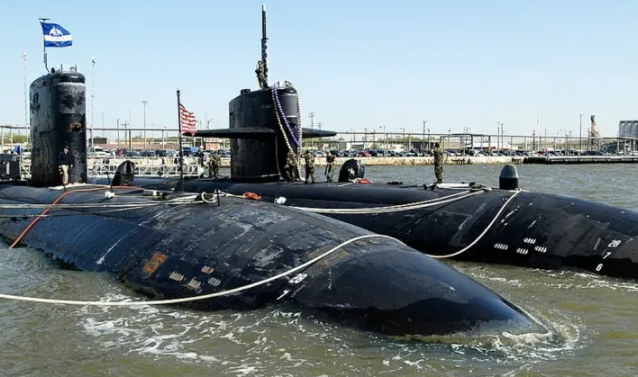
The combat system of the "Virginia"-class nuclear submarine is not a single piece of equipment but a large-scale architecture unified by the Submarine Warfare Federated Tactical System (SWFTS). Its core includes the AN/BYG-1 combat management system, which connects sonar arrays, electro-optical masts, electronic support systems, acoustic countermeasure devices, and the fire control interfaces for Mk 48 heavy torpedoes and "Tomahawk" cruise missiles. So-called "integration" is not merely routine maintenance; it involves managing software versions, testing new sensor interfaces, validating weapon control logic, and ensuring that all subsystems operate on the same information baseline. For more than 60 years, this type of work has been carried out by Lockheed Martin within the U.S. Navy system. Now authorizing Australian engineers to participate means that the Australian side will gain access to highly sensitive technical documentation, test environments, and configuration management processes.
This contract also reveals the realistic path Australia is taking in pursuing "sovereign capability": not fully decoupling from the U.S. system, but building indigenous execution capability within U.S. Navy standards and security frameworks. Australian engineers will be able to complete authorized software updates, system testing, and sustainment domestically without relying on U.S. team on-site intervention for every upgrade. However, this does not mean Australia can unilaterally decide to replace weapons, add sensors, or change the core software baseline, as major configuration changes to SWFTS still require approval from the U.S. Navy and relevant security agencies. In other words, Australia is gaining operational autonomy within a shared technical framework, not full discretionary authority over the nuclear submarine combat system.
Lockheed Martin Australia is regarded as a low-risk choice partly due to its previous involvement in Australia's "Attack"-class conventional submarine program. Although that program was cancelled after AUKUS was launched, the company had already built a submarine combat systems engineering team of approximately 240 personnel, of whom more than 70 percent were retained and reassigned to other complex defense projects. In the first year of this contract, more than 20 combat systems integration positions will be created in Western Australia, with an expected increase of approximately 100 related positions in the future. Given that these positions require high-level security clearances, familiarity with U.S. military configuration management standards, and mastery of SWFTS interface logic, the short-term numbers may be modest, but they represent an important starting point for Australia to build its nuclear submarine engineering talent pipeline.
This arrangement is also closely tied to the AUKUS nuclear submarine delivery timeline. Under the adjusted plan from 2026, Australia will receive three Block IV "Virginia"-class nuclear submarines from the U.S. Navy's active fleet, rather than the originally planned mix that included new construction. While this may alleviate pressure on U.S. shipbuilding capacity, it means the submarines Australia receives will have shorter remaining service lives and more complex existing configuration states, making indigenous combat systems integration capability even more critical. The relevant engineering work is expected to be conducted near HMAS Stirling naval base in Western Australia, which is being expanded into a key node for rotational deployments of U.S. and U.K. nuclear submarines. In the future, when U.S. "Virginia"-class submarines berth at Stirling, having an authorized Lockheed Martin Australia integration team on site will bring sustainment capability closer to that of major U.S. submarine homeports.
Disclaimer: Information republished from partner media, institutions or other websites is provided for reference and communication purposes only. It does not imply endorsement of its views or verification of its accuracy. Please contact us if any content infringes rights or requires correction.