
French heatwave to cut nuclear output by about 15% on Friday
 Scan to share
Data from Electricite de France (EDF) shows that due to the fifth heatwave of the European summer, French nuclear power output is expected to fall by about 15% this Friday. At that time, nine reactors are expected to be affected, with total nuclear output reductions reaching 9.4 gigawatts during peak hours, of which six reactors will be completely shut down.
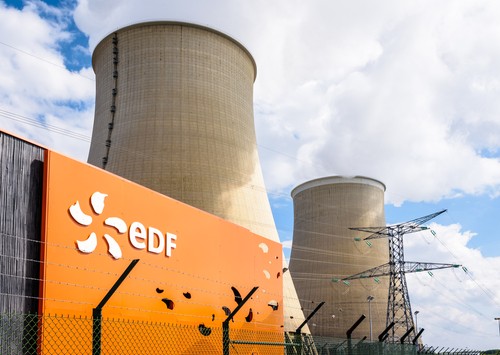
This summer, many parts of Europe have experienced sustained high temperatures, with some regions seeing temperatures rise to abnormal levels, triggering issues such as water shortages and wildfires. French meteorological authorities predict that this heatwave will peak on Thursday, with temperatures across most of the country ranging between 35 and 40 degrees Celsius. From Friday, cold air from the west will first affect the Atlantic coast and the English Channel region, but other parts of France will continue to experience high temperatures.
Power research data from the London Stock Exchange Group (LSEG) shows that due to a combination of high temperatures, routine maintenance, technical issues, and fuel conservation arrangements, approximately 27.7 gigawatts of French nuclear capacity is expected to be offline on Friday, with nuclear availability falling to its lowest level since August 2023.
The decline in nuclear output, coupled with limited wind power generation, has pushed up French electricity prices. LSEG data shows that French day-ahead power contracts for Friday rose 4.4% to 154.50 euros per megawatt-hour, the highest level since June 23. Typically, August is France's main holiday month, when electricity demand is relatively limited and prices tend to be at lower levels.
Nuclear energy accounts for about 70% of France's annual electricity generation. Under French environmental regulations, heat discharged by nuclear power plants into rivers is restricted. During heatwaves, when river water temperatures rise, some reactors must reduce power output to comply with these environmental requirements.
The impact of reduced nuclear supply has also spread to neighboring markets. As French nuclear exports decline, countries such as the UK and Germany need to rely more on coal and natural gas generation to compensate. LSEG analyst Nathalie Gerl stated that despite the decline in nuclear availability, France remains a net electricity exporter, though export levels are below average. France's planned average net exports in August have fallen to approximately 9.5 gigawatts, down about 20% from July.
Despite the ongoing impact of reactor outages in recent periods, French nuclear generation in June and July was still higher than the same period last year, thanks to EDF's adjustments to nuclear plant maintenance schedules. According to EDF data, two reactors at the Gravelines nuclear power plant in northern France, affected by jellyfish, are expected to remain offline for several more days.
Disclaimer: Information republished from partner media, institutions or other websites is provided for reference and communication purposes only. It does not imply endorsement of its views or verification of its accuracy. Please contact us if any content infringes rights or requires correction.