
Search Results
Keyword:heatwave
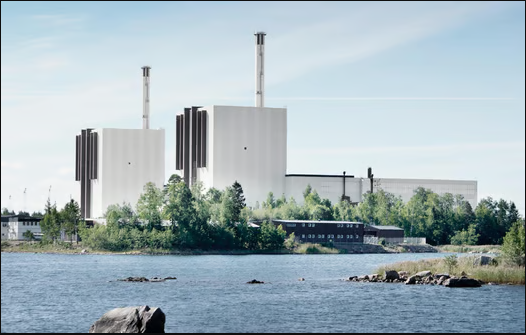
Why Swedish Nuclear Power Plants Are Less Affected by European Heatwaves
This summer, persistent high temperatures across much of Europe forced some nuclear power plants to reduce output or even temporarily shut down due to rising cooling water temperatures and falling river levels. In comparison, Sweden's Vattenfall-operated nuclear plants at Forsmark and Ringhals were less affected, mainly because both facilities are located in coastal areas and use seawater for cooling. Many nuclear plants in continental Europe rely on river water as their cooling source. During heatwaves, river levels and water temperatures can change rapidly, easily impacting cooling efficiency. Anna Collin, Communications Officer at Ringhals, stated that Swedish nuclear plants use seawater cooling, which differs in operating conditions from many...
2026-08-26
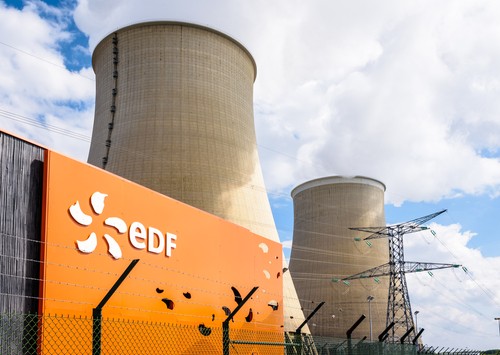
French heatwave to cut nuclear output by about 15% on Friday
Data from Electricite de France (EDF) shows that due to the fifth heatwave of the European summer, French nuclear power output is expected to fall by about 15% this Friday. At that time, nine reactors are expected to be affected, with total nuclear output reductions reaching 9.4 gigawatts during peak hours, of which six reactors will be completely shut down. This summer, many parts of Europe have experienced sustained high temperatures, with some regions seeing temperatures rise to abnormal levels, triggering issues such as water shortages and wildfires. French meteorological authorities predict that this heatwave will peak on Thursday, with temperatures across most of the country ranging between 35 and 40 degrees Celsius. From Friday, cold air from the west will first affect the Atlantic coast and the English Channel region...
2026-08-14
Heatwave and jellyfish influx into pump stations push French nuclear unit unavailability to 20.4%
The heatwave sweeping across multiple regions of France is impacting the country's electricity production. Several nuclear reactors operated by Électricité de France (EDF) have been shut down or derated due to environmental restrictions or external environmental factors, with the unavailability rate of affected units rising to 20.4% before 10:00 AM on August 12, marking a recent high. Of France's 57 nuclear reactors, 13 are currently affected. Among them, 8 units are fully shut down: Bugey Unit 3, Cattenom Unit 1, Chooz Units 1 and 2, Golfech Unit 2, and Gravelines Units 2, 3, and 4; another 5 units are operating below rated power, including Saint-Alban Unit 2, Tricastin Units 1 and 4...
2026-08-13
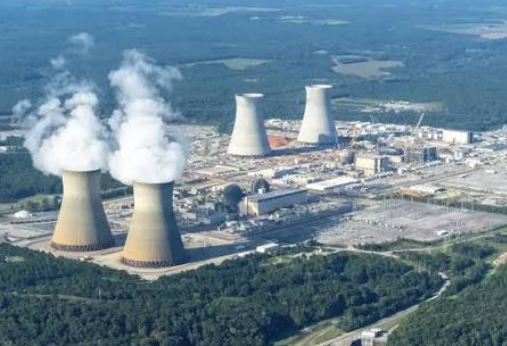
French heatwave cuts nuclear output, day-ahead power prices surge 22%
A new heatwave in France is hitting its nuclear power supply, with effects quickly transmitting to the electricity market. On Tuesday morning local time, LSEG data showed French day-ahead power prices rose as much as 21.8% to €142.5 per megawatt-hour, equivalent to approximately $164.39. The direct cause of the price surge is that operators expect nuclear output to be constrained during the midday peak demand period on Wednesday. Data from French utility EDF shows that due to this week's heatwave, France's nuclear generation capacity on Wednesday is expected to be reduced by 7.3 gigawatts, equivalent to 12% of total installed capacity. This marks at least the fifth time France has experienced extreme heat since June. For a country where about 70% of electricity comes from nuclear power, nuclear...
2026-08-12

South Korea Launches Emergency Safety Inspection of Nuclear Facilities Amid Heatwave
The Nuclear Safety and Security Commission (NSSC) of South Korea announced on August 5 that, due to the ongoing nationwide heatwave, it will conduct an emergency inspection of the safety status and emergency response preparedness of nuclear facilities, including nuclear power plants. The inspection was conducted via video conference, with participation from personnel of the NSSC's six regional offices, safety regulatory agencies, and Korea Hydro & Nuclear Power (KHNP). The inspection focused on the potential impact of rising seawater temperatures used for cooling nuclear power plants. The NSSC verified the performance of relevant measuring instruments and heat exchangers, and examined KHNP's on-site emergency response status and handling procedures. The design temperature limits for seawater intake at South Korea's nuclear power plants range from 31 to 36.1 degrees Celsius. Due to climate change, the risk of high seawater temperatures is gradually emerging. In 2024, seawater temperatures in the waters off all South Korean nuclear power plants, except for the area around Shin-Hanul Units 1 and 2, reached record highs.
2026-08-05