
South Korea Launches Emergency Safety Inspection of Nuclear Facilities Amid Heatwave
 Scan to share
The Nuclear Safety and Security Commission (NSSC) of South Korea announced on August 5 that, due to the ongoing nationwide heatwave, it will conduct an emergency inspection of the safety status and emergency response preparedness of nuclear facilities, including nuclear power plants.
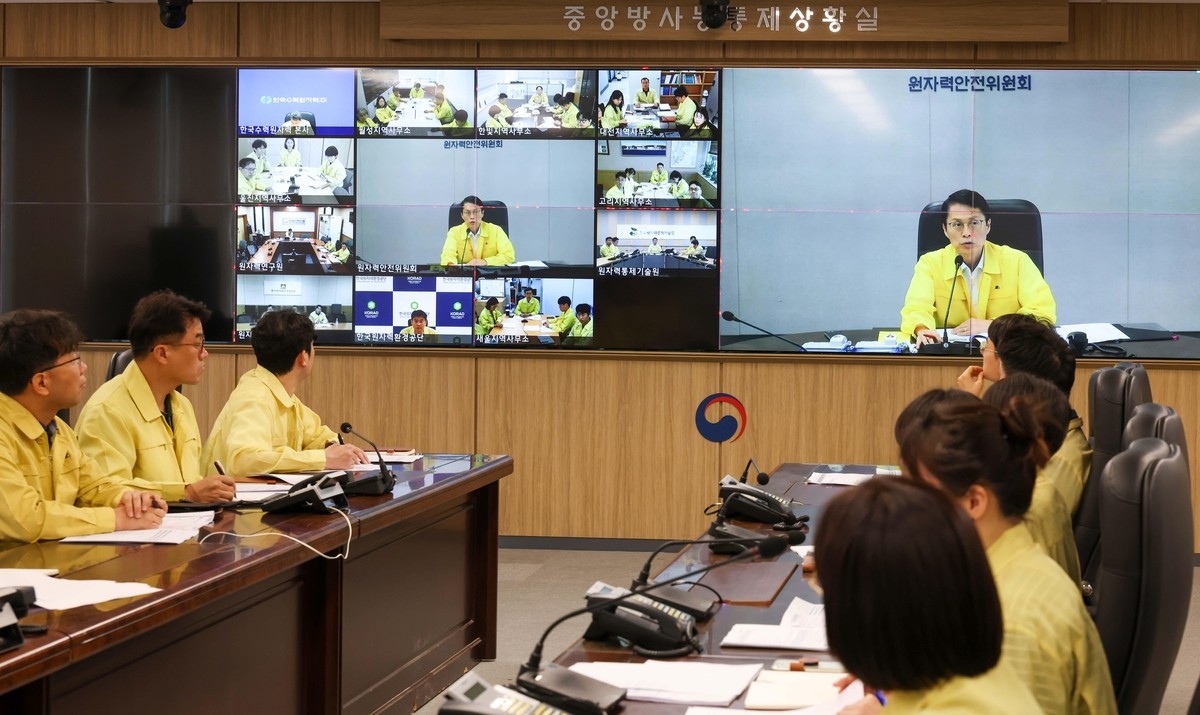
The inspection was conducted via video conference, with participation from personnel of the NSSC's six regional offices, safety regulatory agencies, and Korea Hydro & Nuclear Power (KHNP).
The inspection focused on the potential impact of rising seawater temperatures used for cooling nuclear power plants. The NSSC verified the performance of relevant measuring instruments and heat exchangers, and examined KHNP's on-site emergency response status and handling procedures.
The design temperature limits for seawater intake at South Korea's nuclear power plants range from 31 to 36.1 degrees Celsius. Due to climate change, the risk of high seawater temperatures is gradually emerging. In 2024, seawater temperatures in the waters off all South Korean nuclear power plants, except for the area around Shin-Hanul Units 1 and 2, reached record highs.
The NSSC also verified the impact of the heatwave on nuclear facility operations, with a focus on the operation of cooling systems responsible for temperature control, as well as heatstroke prevention measures for outdoor workers at construction sites under different heatwave warning levels. Regional offices have been instructed to respond to the heatwave as an emergency situation.
In response to Typhoon No. 13 "Dolphin," the NSSC simultaneously checked the implementation status of corrective actions identified during the special summer natural disaster inspection conducted in June last year, including follow-up measures to address the impacts of heavy rainfall and strong winds.
NSSC Chairman Choi Won-ho stated that, given the expectation that the heatwave will persist for some time, all units should closely monitor facility operating conditions and take immediate response measures upon detecting any abnormalities. He also called for comprehensive inspections of cooling and fire-fighting equipment at nuclear facilities to safeguard the health and safety of workers.
Disclaimer: Information republished from partner media, institutions or other websites is provided for reference and communication purposes only. It does not imply endorsement of its views or verification of its accuracy. Please contact us if any content infringes rights or requires correction.