
KHNP Advances Nuclear Process Heat-Based Hydrogen Production Ecosystem
 Scan to share
Korea Hydro & Nuclear Power (KHNP) held a preparatory meeting in Daejeon on August 26 to establish an advisory body for building the Korean solid oxide cell industrial ecosystem, and discussed R&D strategic alliances and industry-academia-research cooperation frameworks.
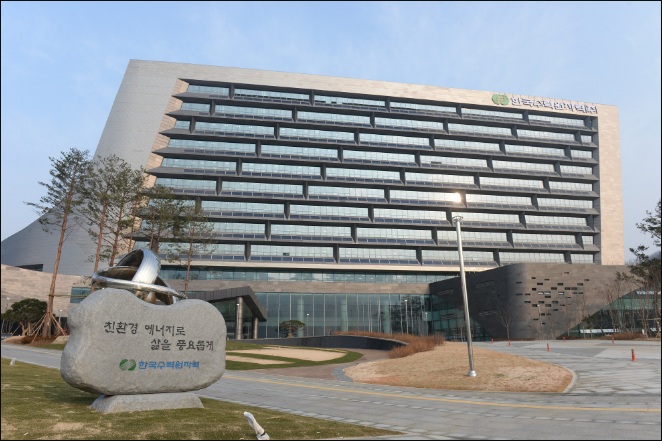
The collaboration will bring together industry, academia, and research institutions, including the Korea Institute of Ceramic Engineering and Technology (KICET). KHNP plans to use the advisory body as a platform to connect R&D, demonstration, and commercialization, promoting the self-reliance of Korean solid oxide cell (K-SOC) related technologies.
According to the meeting agenda, KHNP will serve as the lead enterprise, proposing technology development directions needed for demonstration applications and commercialization; the Korea Institute of Ceramic Engineering and Technology will play a supporting role in supplying core industrial technologies. Previously, solid oxide cell R&D in Korea was dispersed across different institutions, making it difficult to effectively link related outcomes and limiting the formation of an industrial ecosystem.
Solid oxide cells (SOC) encompass technology routes such as solid oxide electrolysis cells (SOEC) and solid oxide fuel cells (SOFC), and are regarded as key core components of high-temperature water electrolysis systems. KHNP is currently developing hydrogen production technology that utilizes process heat from nuclear power plants for high-temperature water electrolysis.
High-temperature water electrolysis is the electrolysis of water in steam form under high-temperature conditions. By introducing process heat from nuclear power plants, a portion of the energy required for the electrolysis process can be supplied, thereby enhancing clean hydrogen production efficiency and improving the economics of hydrogen production.
A KHNP official stated that the company will gather input from the advisory body and industry-academia-research stakeholders to promote the construction of the Korean solid oxide cell industrial ecosystem and link it with subsequent demonstration projects.
Disclaimer: Information republished from partner media, institutions or other websites is provided for reference and communication purposes only. It does not imply endorsement of its views or verification of its accuracy. Please contact us if any content infringes rights or requires correction.