
Auburn University Installs 200 MeV Superconducting Proton Accelerator to Build First University-Led Space Electronics Radiation Testing Facility in the U.S.
 Scan to share
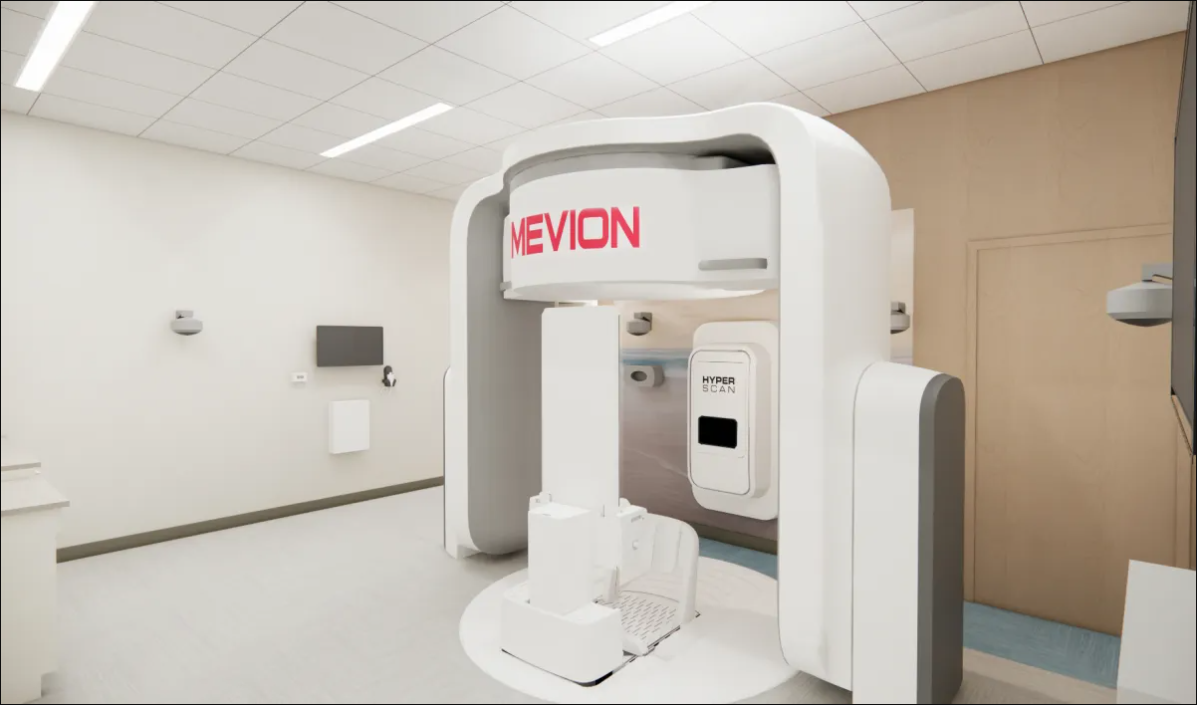
Auburn University's Applied Research Institute has announced the installation of a new 200 MeV superconducting proton accelerator, advancing the construction of the nation's first university-led proton testing facility dedicated to space electronics qualification. The system, a RAD-FX-200 superconducting synchrocyclotron manufactured and installed by Mevion Medical Systems, serves as the core component of Auburn University's new radiation-hardening facility.
According to reports, the facility will help address gaps in U.S. space qualification testing capacity, providing radiation testing services for microelectronics to government agencies, aerospace, and defense-related industries. Systems such as satellites, missile defense interceptors, spacecraft, and launch vehicles all depend on microelectronics, which may be affected by proton radiation in orbital environments. A single radiation-induced fault can lead to system failure and is typically difficult to repair once in orbit.
The RAD-FX-200 can accelerate protons to 200 MeV to simulate proton radiation environments found in low-Earth orbit and solar particle events. Engineers can measure the response of relevant electronic components under radiation conditions before mission deployment, assessing their ability to maintain reliable operation in harsh space environments.
Auburn University stated that the new radiation-hardening facility will serve two purposes: supplementing space electronics qualification testing resources and cultivating engineers and scientific personnel with hands-on experience for related industries. Mevion noted that this project represents a significant application of its superconducting synchrocyclotron technology, extending from proton therapy into the field of spacecraft electronics qualification.
The radiation-hardening facility is located within a new 50,000-square-foot laboratory built by Auburn University's Applied Research Institute at Cummings Research Park in Huntsville, Alabama, surrounded by aerospace and defense organizations including Redstone Arsenal and NASA's Marshall Space Flight Center.
The facility's primary mission is to support testing requirements of the Missile Defense Agency, while also being open to other U.S. government agencies, departments, and commercial partners. The Missile Defense Agency awarded Auburn University the prime contract for constructing the facility in November 2024. Testing is scheduled to open in January 2027, with full operational capability expected by 2029.
Disclaimer: Information republished from partner media, institutions or other websites is provided for reference and communication purposes only. It does not imply endorsement of its views or verification of its accuracy. Please contact us if any content infringes rights or requires correction.