
Assam, India, Plans to Introduce Proton Beam Therapy for Cancer Treatment at a Public Hospital
 Scan to share
Cancer treatment capabilities in Assam, India, are set to be upgraded. Assam Chief Minister Himanta Biswa Sarma announced that the state cabinet has approved the introduction of a proton beam therapy system at Gauhati Medical College Hospital. Once the project is completed, Assam will become the third region in India to offer proton beam therapy, and the hospital will be the first public hospital in India to be equipped with this technology.
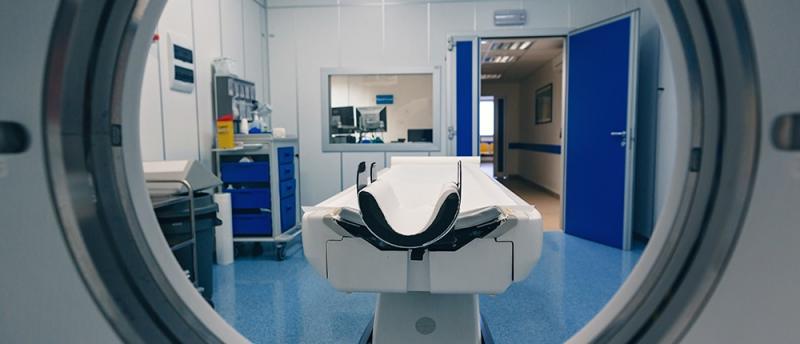
Currently, proton beam therapy is already in use at the Tata Memorial Centre in Mumbai and the Apollo Proton Cancer Centre in Chennai. The facility planned at Gauhati Medical College Hospital will become the third such treatment center in India.
Proton beam therapy is an advanced form of radiotherapy used to treat cancer and certain non-cancerous tumors. Unlike conventional radiation therapy, which typically uses X-rays, proton therapy delivers precise irradiation to the tumor area using high-energy positively charged particles—protons. As proton beams enter the body, they release energy, causing DNA damage to cells. Healthy cells generally possess some capacity for repair, whereas cancer cells are less able to repair themselves, thereby inhibiting their growth and proliferation and helping to destroy tumor tissue.
The primary advantage of this technology lies in its more precise delivery of radiation dose, which is expected to reduce damage to surrounding healthy tissues and organs. Data indicate that proton therapy shows promise in the treatment of various cancers and may result in fewer side effects than conventional X-ray radiotherapy for certain cancer types. However, research comparing the long-term outcomes of proton therapy and X-ray radiotherapy remains limited, and whether it offers a greater advantage in extending patient survival has yet to be established.
Gauhati Medical College Hospital is a major government healthcare institution in Northeast India. Once the facility becomes operational, it is expected to expand access to advanced cancer treatment for patients in Assam and neighboring northeastern states, reduce the need for patients to travel to other regions for highly specialized care, and further enhance the hospital's role as a referral center for oncology treatment.
Sarma stated that the equipment is expected to cost approximately 60 billion rupees, and the tendering process has been completed. Project funding will be arranged through a combination of World Bank assistance and funding from the Assam state government, with the World Bank providing a loan of 3.15 billion rupees to the Assam government and the state government contributing 2.85 billion rupees.
Disclaimer: Information republished from partner media, institutions or other websites is provided for reference and communication purposes only. It does not imply endorsement of its views or verification of its accuracy. Please contact us if any content infringes rights or requires correction.