
Miniature "Plug-and-Play" Platform Poised to Accelerate Development of New PET Radiotracers
 Scan to share
A research team at the Keck School of Medicine of USC is working to develop a miniature “plug-and-play” chip platform aimed at significantly accelerating the synthesis and preparation of novel positron emission tomography (PET) radiotracers. The project aims to lower the barriers and costs of developing molecular imaging probes, and has received a four-year, $2.6 million research grant from the National Institute of Biomedical Imaging and Bioengineering (NIBIB) under the National Institutes of Health (NIH).
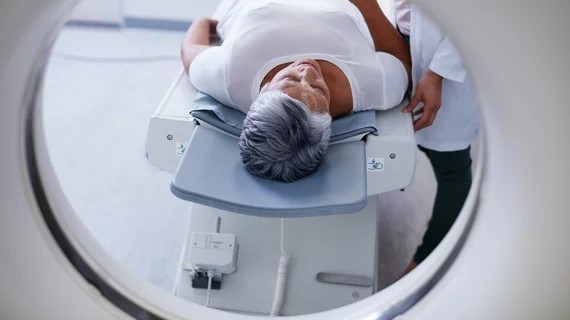
The project is led by Dr. Kai Chen, PhD, professor of radiology, radiation oncology, and pharmacology and pharmaceutical sciences at USC. In clinical research, scientists continually discover new biomarkers for various diseases, but translating these targets into usable PET tracers often faces numerous technical barriers——the radiolabeling of biomolecules is a complex process with extremely high technical requirements, and traditional approaches rely heavily on large dedicated synthesis hot cells and bulky specialized equipment.
To overcome this preparation bottleneck, the USC team has integrated two cutting-edge chemical technologies: first, “click chemistry,” which enables rapid and precise intermolecular assembly; and second, “droplet radiochemistry,” which uses microliter-scale ultra-small volumes of liquid for efficient reactions. The researchers are collaborating closely with a research team at the University of California, Los Angeles (UCLA) to integrate universal radioactive building blocks with different targeting biomolecules into a single unit, immobilized on a microchip device.
Professor Chen noted that highly concentrating all chemical synthesis and labeling steps onto a microchip is expected to enable rapid, efficient preparation of novel radiotracers, greatly reducing dependence on traditional large, expensive facilities and complex shielding equipment. Currently, the team has completed preliminary proof-of-concept work on multiple tumor-targeting tracers, including fibroblast activation protein (FAP) tracers that target its high expression in various malignant tumors, as well as specific molecular probes for liver cancer and prostate cancer. Preliminary experimental data indicate that microscale click chemistry can rapidly synthesize multiple tumor-targeting probes.
With the arrival of this new round of research funding, the system is expected to drive radiotracer preparation toward a higher degree of automation and miniaturization, significantly reducing the material and hardware costs required to develop specialized imaging probes. In addition to precision diagnosis and treatment of malignant tumors, this microfluidic platform will be further expanded and adapted for the synthesis of targeting tracers for other major diseases such as neurodegenerative diseases, and will continue to optimize hardware performance and broaden molecular screening scope over the next several years.
Disclaimer: Information republished from partner media, institutions or other websites is provided for reference and communication purposes only. It does not imply endorsement of its views or verification of its accuracy. Please contact us if any content infringes rights or requires correction.