
Russia Submits Small Reactor Carbon Credit Framework to the United Nations
 Scan to share
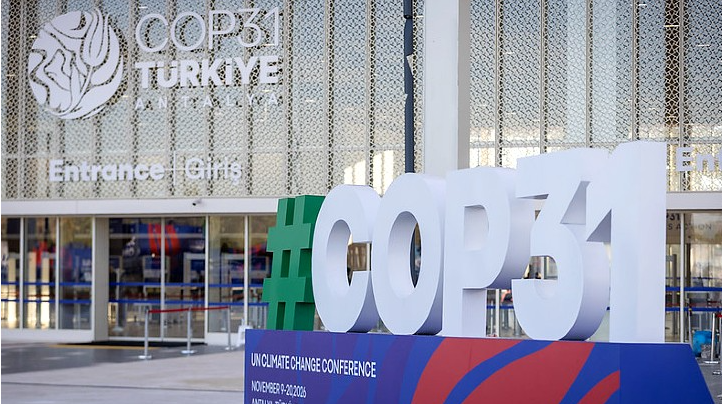
Recently, ahead of the 31st Conference of the Parties (COP31) to the United Nations Framework Convention on Climate Change, Rosatom officially submitted a draft international carbon credit methodology for small modular reactors (SMRs) to the UNFCCC Secretariat. The framework aims to incorporate the low-carbon electricity generated by small reactors and the greenhouse gas emissions they avoid into the UN-administered international carbon market under Article 6.4 of the Paris Agreement. This is the world's first carbon credit methodology application for nuclear energy projects.
The draft is not tied to any specific reactor design and applies comprehensively to land-based small reactors and floating nuclear power plants with a single-unit electrical output of up to 300 MW. According to Rosatom's estimates, taking a 100 MW demonstration small reactor as an example, if successfully connected to the UN carbon credit trading system, it could generate at least USD 1 million in additional revenue per year from carbon credit sales during its operating period. This mechanism not only fills the long-standing gap in the global carbon market regarding nuclear energy accounting rules, but also effectively improves the financial models of small reactors in debt financing and narrows the treatment gap between nuclear energy and renewable energy in international climate policy instruments.
Rosatom Chief Sustainability Officer Polina·Lion pointed out that although international climate policy generally advocates the principle of "technology neutrality," in practice, many green plans and declarations often focus solely on wind and solar power, automatically excluding nuclear energy from instruments such as green certificates and carbon markets. Against the backdrop of surging demand for low-carbon electricity and high-quality carbon credits from international aviation, shipping, and AI data centers, the lack of nuclear carbon credit instruments directly undermines the international competitiveness of low-carbon products using nuclear power in heavy industries such as steel and cement.
Currently, under the Article 6.4 mechanism of the Paris Agreement, 5 project methodologies, including renewable energy, have been approved, with more than 20 others under review. Rosatom stated that the draft SMR carbon credit methodology will proceed through the public consultation and expert review stages under the UN framework in accordance with regulations. If progress goes smoothly, formal approval is expected in the first half of 2028, setting a key benchmark for small reactors and large nuclear power worldwide to participate in national and international carbon markets.
Disclaimer: Information republished from partner media, institutions or other websites is provided for reference and communication purposes only. It does not imply endorsement of its views or verification of its accuracy. Please contact us if any content infringes rights or requires correction.