
Search Results
Keyword:NI
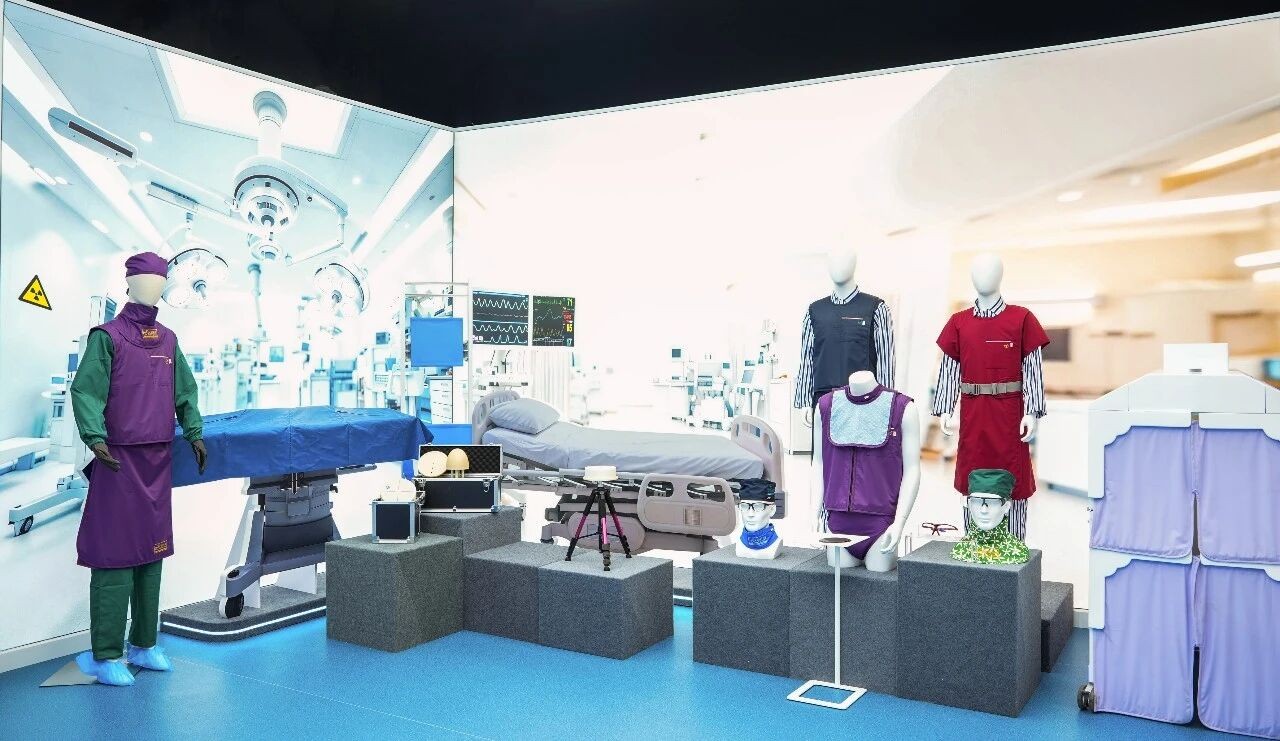
Radiology Institute Joins Hands with Peking Union Medical College Hospital and Tianyi Keyuan to Win Gold at National Invention Exhibition: Novel Medical Radiation Protection Materials Achieve Scaled Translational Application
At the recently held 30th National Invention Exhibition · Belt and Road & BRICS Skills Development and Technology Innovation Competition, the project "Key Technologies for Brachytherapy Radiation Protection Materials and Series of Radiation Protection Products," jointly applied for by the Institute of Radiation Medicine, Chinese Academy of Medical Sciences (Radiology Institute), Peking Union Medical College Hospital, Chinese Academy of Medical Sciences (Peking Union Medical College Hospital), and Tianjin Tianyi Keyuan Technology Co., Ltd. (Tianyi Keyuan), stood out from numerous competing projects and won the Gold Award by virtue of key technological breakthroughs in the field of medical radiation protection. The award-winning project focuses on the long-standing radiation protection pain points in the clinical frontline of interventional therapy and brachytherapy. Through cross-disciplinary collaborative research by the three parties of medicine, research, and enterprise, it has systematically developed a series of innovative product matrices covering scenarios such as occupational health protection for medical staff, protection of normal tissues during radiotherapy for tumor patients, and specialized protection for scar radiotherapy.
2026-10-09
Final Design Review Completed for ITER Neutron Flux Monitor System #7
Recently, the Final Design Review (FDR-2) for the ITER Neutron Flux Monitor System #7 (NFM#7), led by the Southwestern Institute of Physics (SWIP), was successfully held, and the system design scheme was fully affirmed by the review expert panel. The successful passage of this review marks an important milestone achievement in China's development of key ITER diagnostic systems, laying a solid foundation for subsequent system manufacturing and overall delivery. At the review meeting, the project team comprehensively reported the overall and component-level design schemes of the NFM#7 system, and responded item by item to the inquiries raised by ITER international review experts. The expert panel unanimously agreed that the final design of the NFM#7 system...
2026-10-09
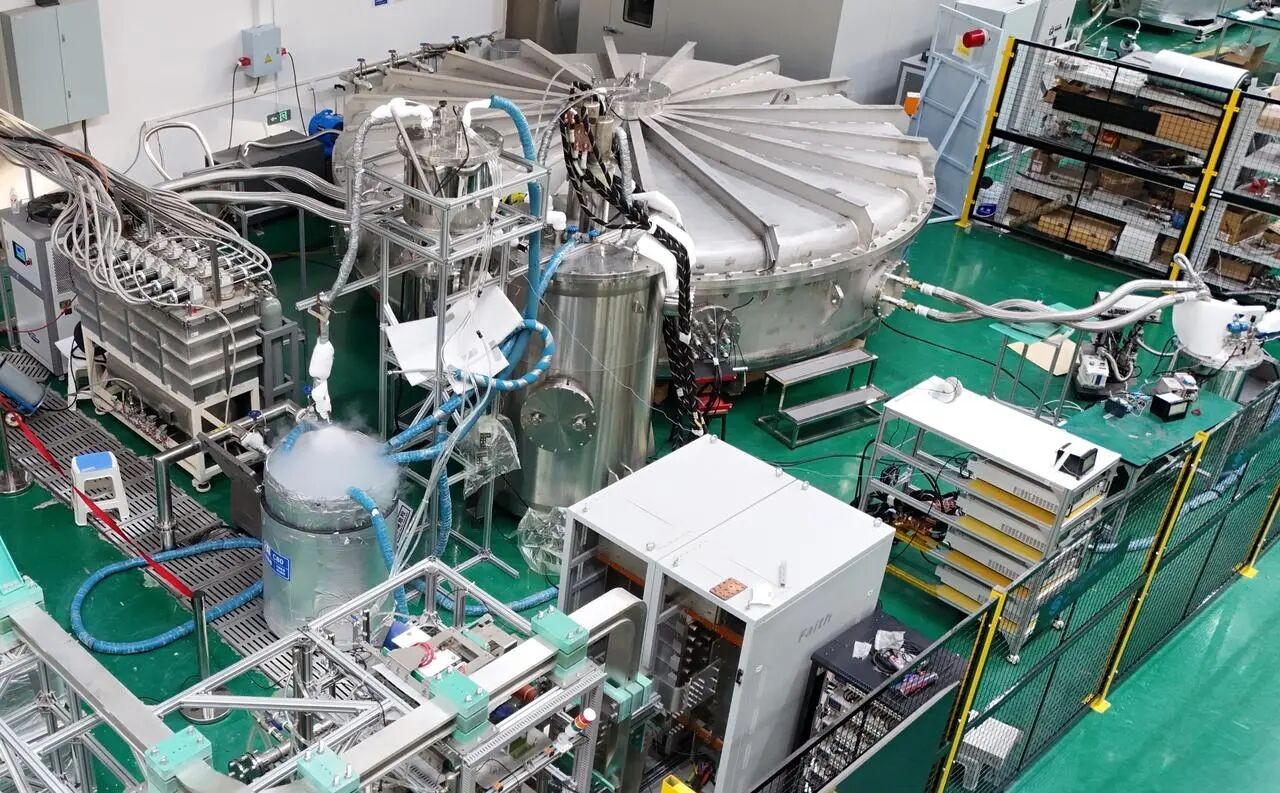
Startorus Fusion Completes 20 K Cryogenic Rapid Discharge Test of Central Solenoid Model Magnet (CSMC) for Spherical Tokamak Device
Startorus Fusion (HTS) recently announced that its independently developed central solenoid (CS) model magnet for a spherical tokamak device (tokamak) successfully completed a 6350 A cryogenic current-carrying and rapid discharge test under harsh cryogenic conditions. Test results showed that the magnet achieved a maximum magnetic field of 10 T and a magnetic field change rate of up to 63 T/s, setting a new record for the magnetic field change rate of known fusion superconducting magnets. This test was conducted at 20 K (-253 °C). The magnet not only successfully reached a maximum magnetic field strength of 10 T, with a central magnetic field of 7.6 T, but also smoothly completed the rapid discharge test required for tokamak ohmic discharge. As a...
2026-10-09
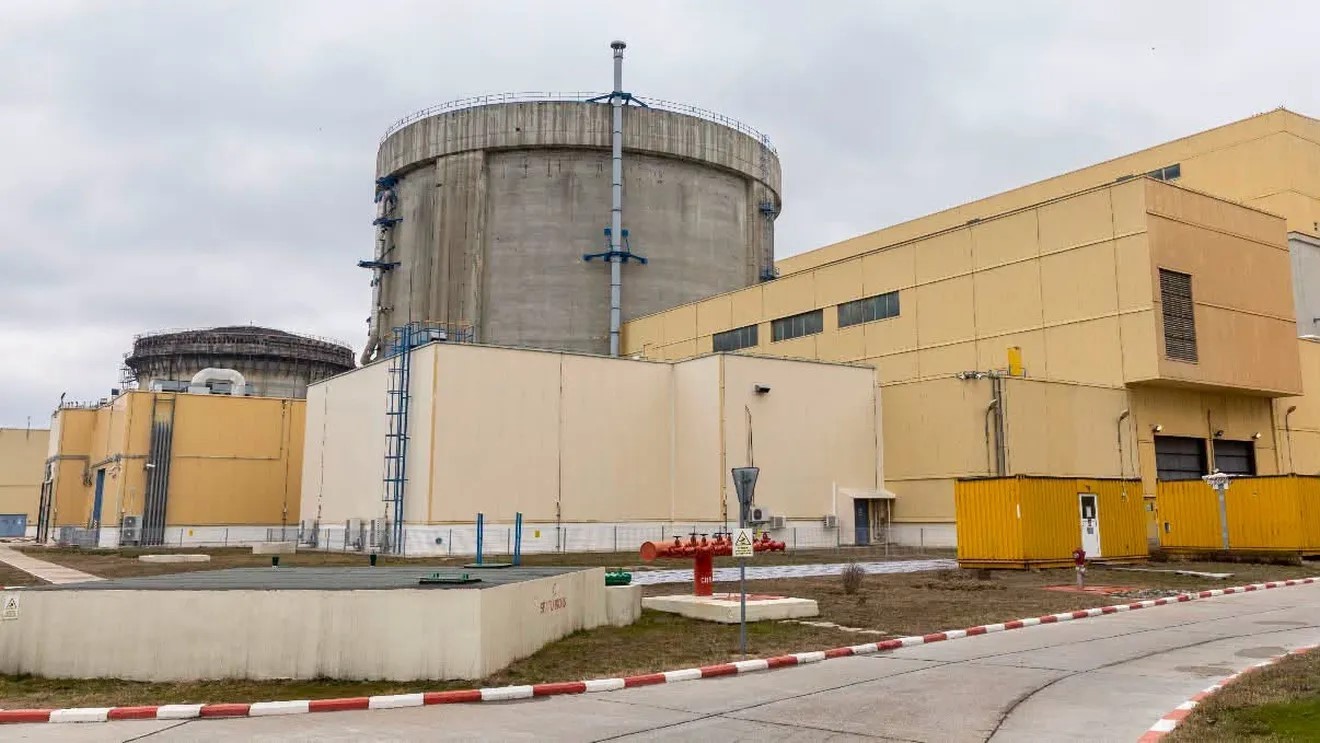
Romania's Cernavoda Nuclear Power Plant Reactors to Remain Shut Down Until at Least October 15
Cristian Bușoi, State Secretary of Romania's Ministry of Energy, stated to the media through public channels that Romania is experiencing its most difficult energy situation in recent decades. The low flow of the Danube River and low water levels near Cernavoda have severely affected the nuclear power plant. Currently, both reactors remain shut down, and the Danube's flow is expected to reach a historic low within the next ten days. At least until October 15, Units 1 and 2 of Cernavoda cannot be restarted. The extreme low water level of the Danube has not only caused an interruption in nuclear baseload power supply but has also simultaneously impacted the hydroelectric power output of the country's hydropower stations. Romani...
2026-10-08
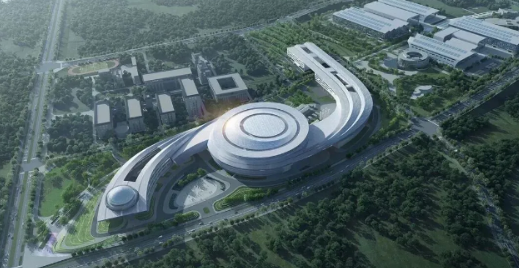
Trillion-Dollar "Suns" Race: Who Is Shortening the Distance from Lab to Grid for Nuclear Fusion?
In July 2026, the Fusion Industry Association (FIA, the global industry association for the nuclear fusion sector) released the "2026 Global Fusion Industry Report." Fifty-six fusion companies raised a combined $4.48 billion over the past 12 months, setting the highest record since the survey began in 2021, a year-on-year increase of 69%. Cumulative global fusion funding has reached $14.242 billion, approximately RMB 96.388 billion, seven times that of 2021. Just half a month later, on July 30, leading U.S. fusion company Commonwealth Fusion Systems (CFS) announced the completion of $1 billion in new equity funding, bringing its cumulative funding...
2026-10-08
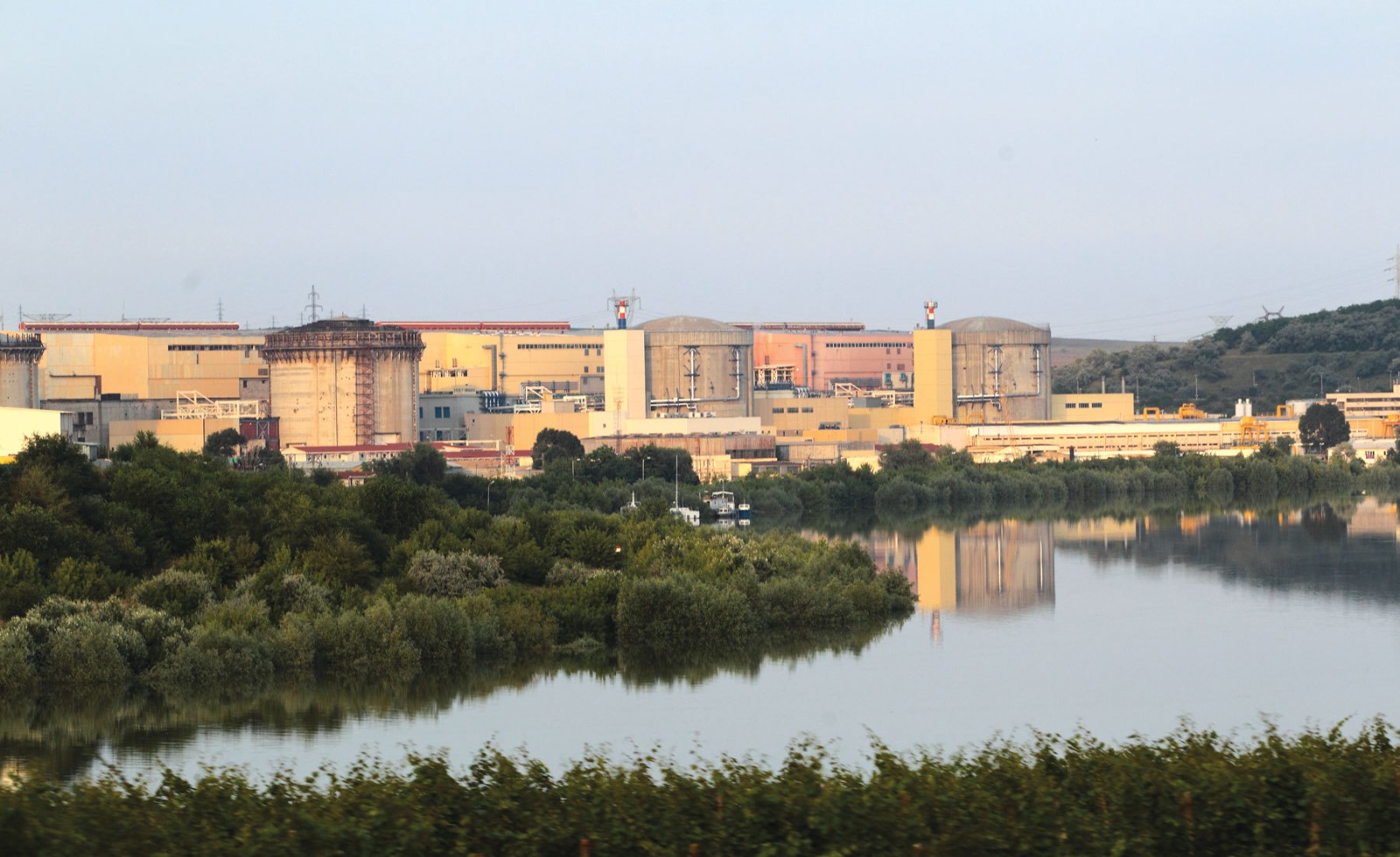
When the Water Runs Dry, the Reactors Stop: Behind Romania Losing One-Fifth of Its Electricity, Heavy-Industry Reactor Designs Are Suffering a Fatal "Cold Source Asphyxiation" — Examining the Physical Interrogation of High-Water-Consumption Baseload Plants by Extreme Drought Through the Prolonged Paralysis of the Cernavodă Nuclear Power Plant
For a long time, nuclear power has been regarded as the unwavering backbone of round-the-clock baseload electricity, immune to weather conditions, cloud cover, or lulls in wind. However, the nearly two-month total shutdown of Romania's Cernavodă Nuclear Power Plant is breaking this industry paradigm in an extreme and brutal manner. Because the Danube River has experienced a historically rare drought exceeding warning thresholds and a cliff-edge collapse in water levels, the country's only nuclear power plant—which safeguards one-fifth of its electricity supply—has been paralyzed by the loss of cooling water assurance, with no prospect of near-term restart. This extreme case not only tears open a massive gap in winter energy security for Romania and even Southeastern Europe, but also sounds an alarm for the global energy community: in the face of increasingly...
2026-10-08
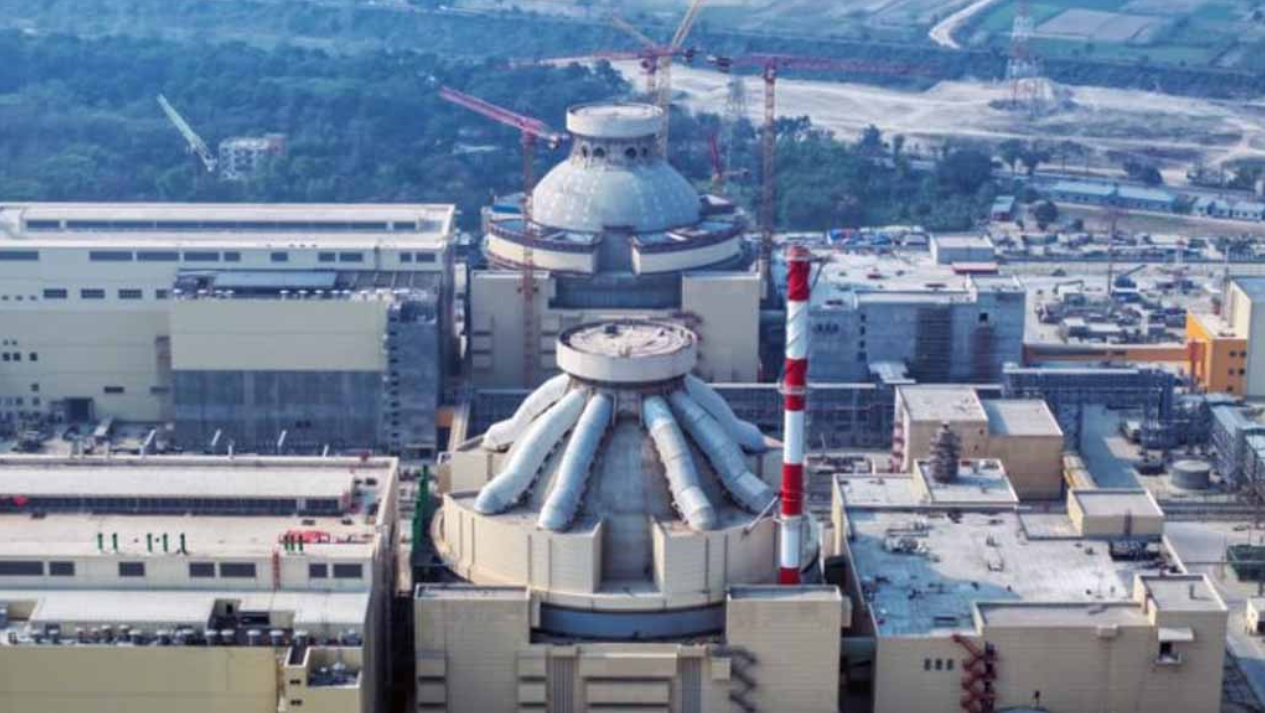
Unit 1 of Bangladesh's Rooppur Nuclear Power Plant Approved to Initiate Nuclear Fission Reaction
Recently, the Bangladesh Atomic Energy Regulatory Authority (BAERA) issued a final license to Unit 1 of the Rooppur Nuclear Power Plant (Rooppur NPP) located in Ishwardi, Pabna, allowing it to initiate a controlled nuclear fission reaction. This is a key step for the 1,200-megawatt reactor toward commissioning. Saikat Ahmed, project focal point of the Rooppur Nuclear Power Plant, told New Age that the license will allow the reactor to reach the B2 stage and achieve first criticality. First criticality refers to the initiation of a controlled, self-sustaining...
2026-10-09

NASA and U.S. Department of Energy Sign Memorandum of Understanding: Opening a New Era in Space Nuclear Energy Exploration
According to reports, the National Aeronautics and Space Administration (NASA) and the U.S. Department of Energy (DOE) signed a Memorandum of Understanding (MoU) on October 8, 2026, at the Golden Age Summit held at the Donald J. Trump Institute for Peace in Washington, D.C., to advance new nuclear technologies for space exploration. NASA Administrator Jared Isaacman and Energy Secretary Chris Wright attended the signing ceremony. It is understood that the memorandum aims to strengthen the two agencies' cooperation in nuclear technology development...
2026-10-09

Germany Launches Fusion Milestone Program: Plans to Invest €2.5 Billion to Support Fusion Companies Toward Commercialization
On October 7, 2026, the German Federal Agency for Breakthrough Innovation (SPRIND), on behalf of the German Federal Ministry of Research, Technology and Space (BMFTR), officially launched the Fusion Milestone Program. The program is an important component of Germany's High-Tech Agenda (HTAD), aiming to promote fusion startups and young companies from technology R&D toward demonstration power plant construction through funding support linked to technological progress and commercialization outcomes, further shortening the distance from laboratory research to commercial application of nuclear fusion. According to the program arrangements, the German government will provide funding support through the Special Fund for Infrastructure and Climate Neutrality (SVIK), with plans to invest...
2026-10-09
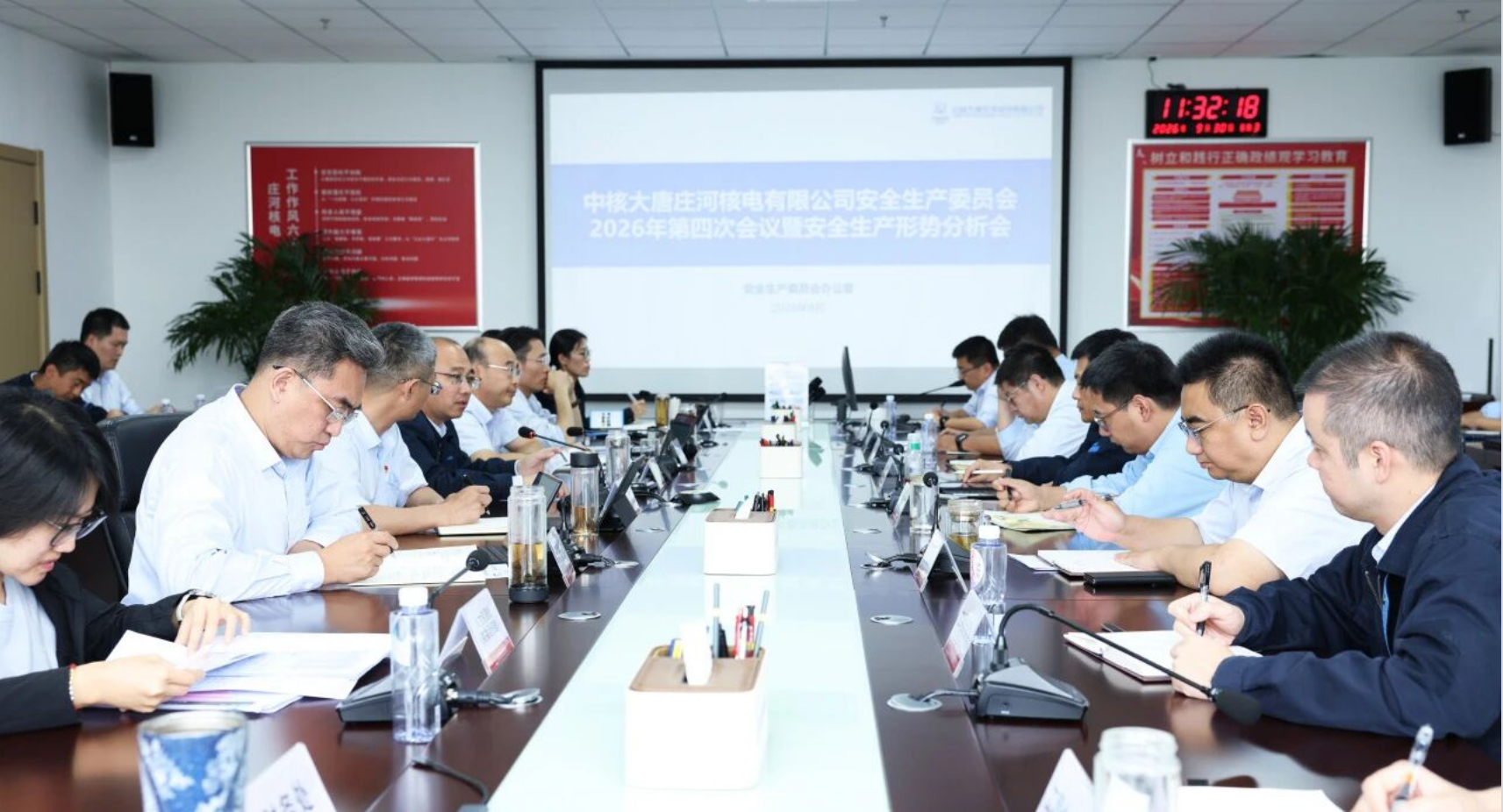
Zhuanghe Nuclear Power convenes the fourth meeting of the Safety Committee in 2026 and the work safety situation analysis meeting
Recently, Zhuanghe Nuclear Power convened the fourth meeting of the Work Safety Committee in 2026 and the work safety situation analysis meeting. Wang Shuang, Secretary of the Party Committee, Chairman of the company, and Director of the Safety Committee, presided over the meeting. Members of the company's leadership team and heads of relevant departments or authorized persons attended the meeting. The meeting thoroughly studied Xi Jinping Thought on Ecological Civilization and the spirit of General Secretary Xi Jinping's important instructions and directives on work safety, conveyed the spirit of meetings and documents from higher-level units, analyzed and assessed the work safety situation in the fourth quarter, and made work arrangements. The meeting emphasized that all cadres and employees must adhere to the working principles of "strengthen precise control, advance with high standards, and implement in a down-to-earth manner," strictly implement the "ten prohibitions" for on-site operations, tighten and consolidate responsibilities...
2026-10-09
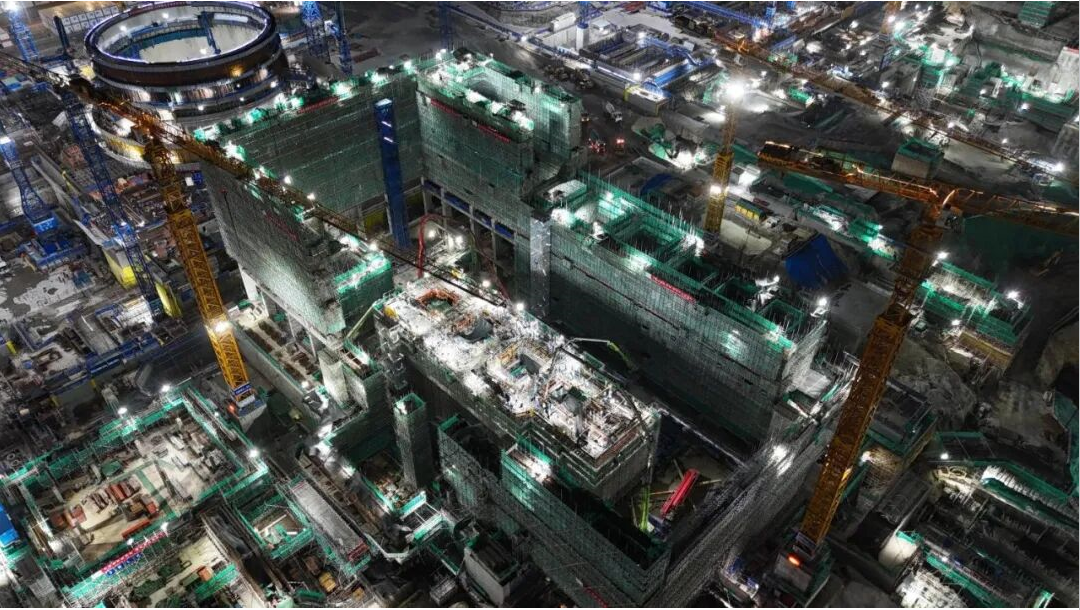
Concrete pouring for the turbine pedestal of the conventional island of Guangdong Taipingling Unit 3 completed successfully
From September 25 to 27, 2026, the Taipingling Nuclear Power Project construction team completed the mass concrete pouring for the turbine pedestal of the 3BMX conventional island of Unit 3. This construction involved a cumulative concrete pour of 2,946 cubic meters and the consumption of 550 tons of rebar, with the installation precision of embedded parts reaching the millimeter level, marking a phased breakthrough in the key construction path of the conventional island of Unit 3 and laying an important foundation for the subsequent civil construction handover for the turbine foundation and the advancement of the mainline conventional island works. To ensure the successful completion of the pouring milestone, the Taipingling Nuclear Power Project construction team adhered to the principle of planning ahead and coordinated deployment, quickly establishing a special task force to focus on key...
2026-10-09
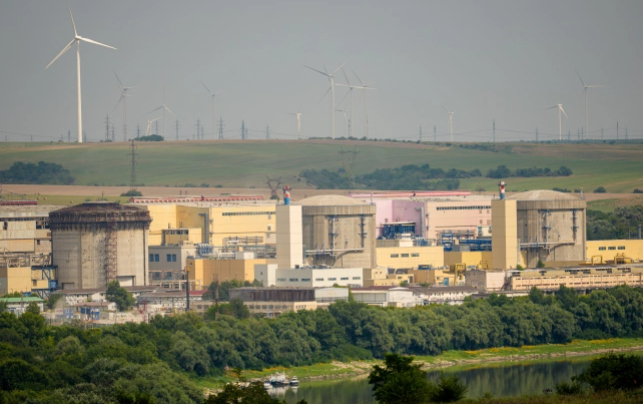
Romania's National Nuclear Power Company Plans to Borrow EUR 800 Million from the European Investment Bank: Full Speed Ahead on the Refurbishment of Cernavodă NPP Unit 1
Romania's National Nuclear Power Company (Nuclearelectrica) recently submitted a disclosure to the Bucharest Stock Exchange (BVB), announcing plans to obtain a long-term loan totaling EUR 800 million from the European Investment Bank (BEI), earmarked to finance the Unit 1 Refurbishment and modernization project at the Cernavodă NPP. This major external financing plan has been placed on the agenda and will be formally submitted to shareholders for approval and deliberation at an extraordinary general meeting to be held from October 29 to 30, 2026. The European Investment Bank's Board of Directors had previously formally approved on July 15, 2026, an EUR 800 million credit facility for the project, which is...
2026-10-08
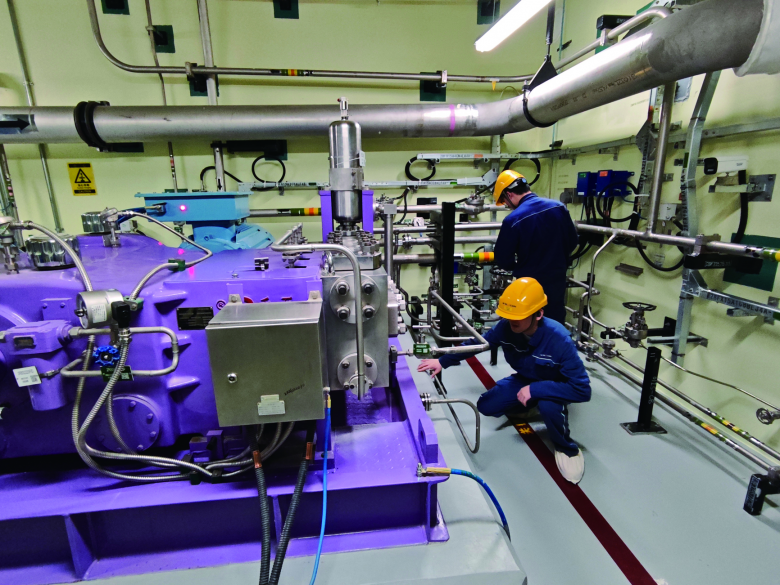
Preparations Underway for First Nuclear Fuel Loading at San'ao Nuclear Power Project Unit 2
On October 7, it was learned from CGN Cangnan Nuclear Power Co., Ltd. that San'ao Nuclear Power Project Unit 2 is carrying out preparatory work before its first nuclear fuel loading. Once fuel loading is completed, the unit will enter the stage of nuclear commissioning of the primary system with nuclear fuel. During the National Day holiday, personnel at key positions of the San'ao Nuclear Power Project stayed at the front line to fully advance the pre-loading preparations. A relevant person in charge of the Fuel Management Section of the Technical Support Department of CGN Cangnan Nuclear Power Co., Ltd. stated that in order to ensure the high-quality completion of Unit 2's first fuel loading and core photography operations, the project working group strictly implemented relevant regulations and management requirements for nuclear material control, and coordinated the advancement of various pre-loading tasks including the submission of first loading information and the approval request for fuel assembly transfer.
2026-10-08
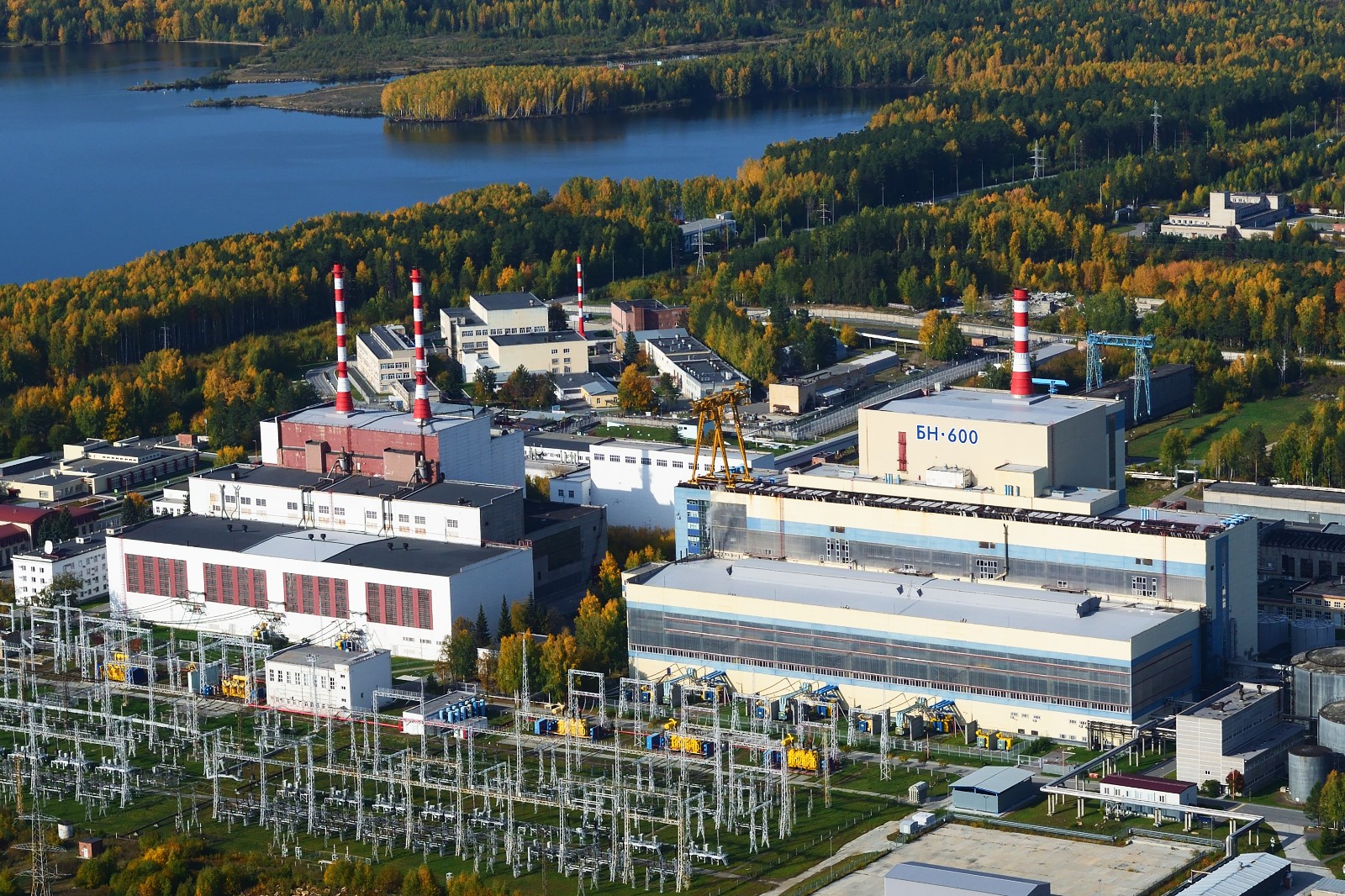
Large-Scale Nuclear Emergency Exercise Held at Russia's Beloyarsk NPP: Simulating Response to Concurrent Dual-Reactor Accident
The Beloyarsk NPP in Russia's Sverdlovsk Region launched a two-day comprehensive nuclear emergency exercise on October 6, 2026. The exercise is based on a hypothetical scenario of a natural disaster compounded by a reactor safety system failure, with a focus on emergency response and cross-departmental coordinated handling capabilities when two nuclear reactors experience severe accidents simultaneously. The exercise is being conducted simultaneously at the Beloyarsk NPP site and the neighboring city of Zarechny, and is the largest annual comprehensive nuclear emergency drill in the Russian nuclear industry system and the Ural Federal District. Beloy...
2026-10-08
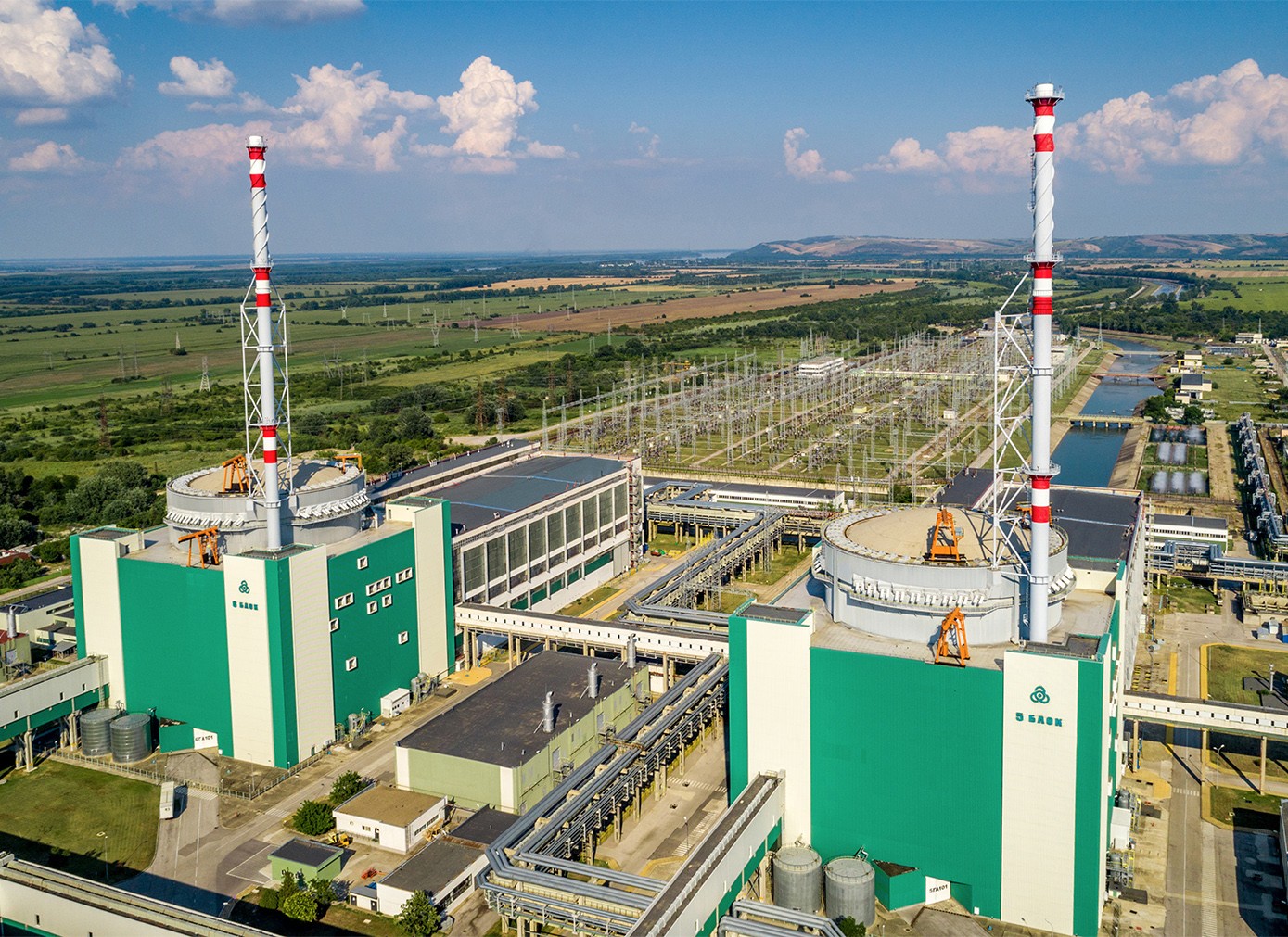
Bulgarian Energy Minister: Kozloduy NPP Implements Preventive Power Reduction Due to Continuous Decline in Danube River Water Levels
Bulgarian Energy Minister Iva Petrova confirmed on October 7, 2026, at a meeting of the parliamentary energy committee that the recent unit output reduction at the Kozloduy NPP was a preventive technical measure to ensure nuclear safety. Due to the continuous decline in Danube River water levels, the nuclear power plant synchronized a power reduction operation on Tuesday for the two operating nuclear units to ensure the stability and safety of the secondary-side cooling water circulation system. Petrova stated that in response to the impact of the Danube River's dry season on the nuclear power plant's water intake structures, the government and the power sector are actively seeking fundamental engineering technical...
2026-10-08