
Search Results
Keyword:NI
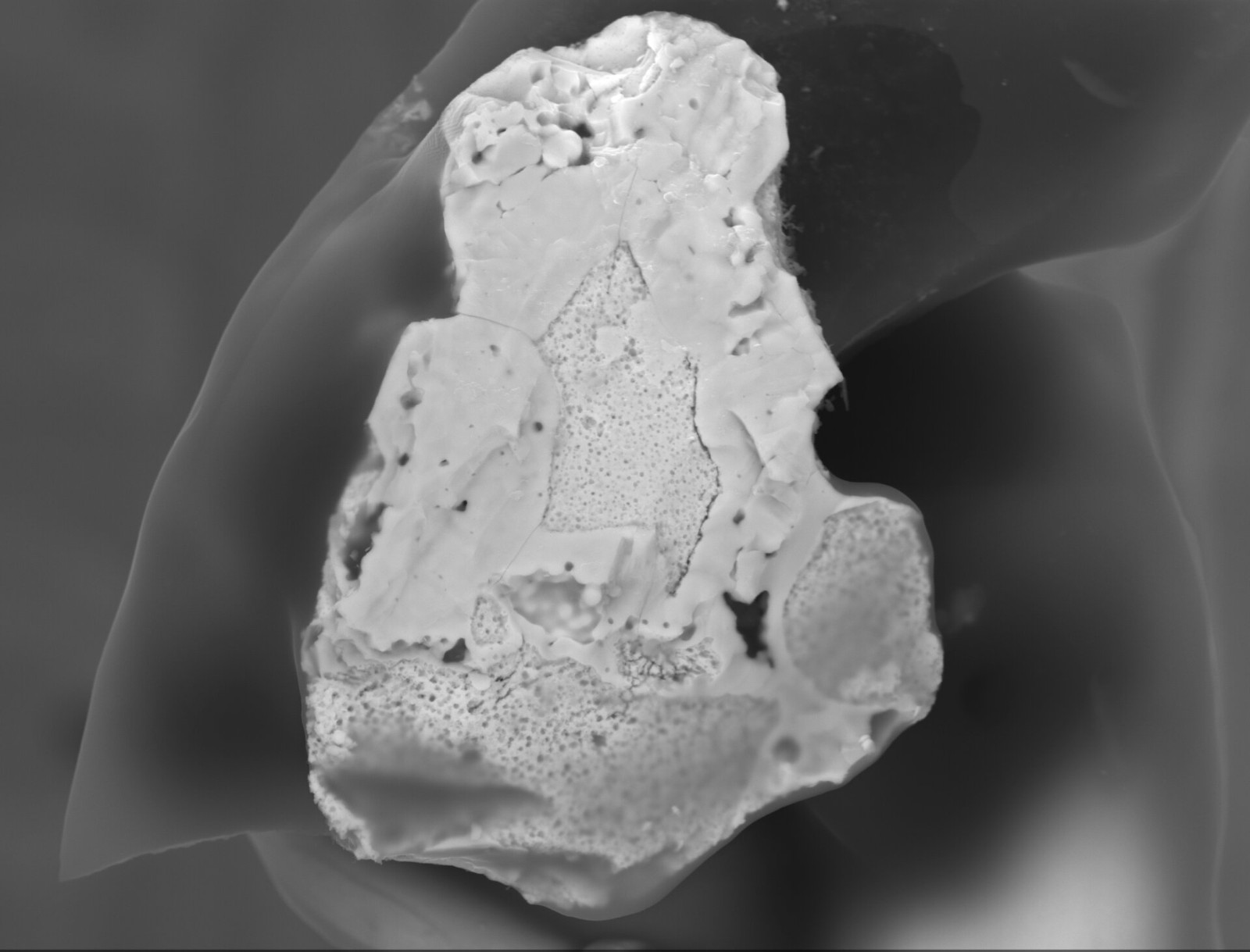
German Research Team Completes First Phase Analysis of Chernobyl "Hot Particles": Nuclear Fuel Crystal Structure Still Exhibits Unexpectedly High Chemical Stability After 40 Years
Nearly 40 years after the 1986 Chernobyl Nuclear Power Plant accident, a research team from Leibniz University Hannover and Helmholtz-Zentrum Dresden-Rossendorf (HZDR) in Germany has completed the world's first synchrotron radiation X-ray-based precision crystal phase analysis of 6 micron-sized highly radioactive fragments (commonly known in the industry as Hot Particles) ejected from the destroyed reactor. The related breakthrough research findings have been officially published in the top-tier journal in environmental and radioecology, the Journal of Hazardous Materials.
2026-10-07
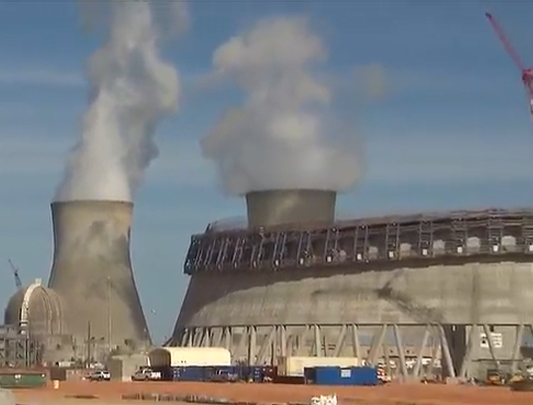
Indiana Launches "Nuclear Ready Communities Program" Applications: Promoting Clean Nuclear Energy Investment to Empower High-Tech Industry Development
Indiana Governor Mike Braun officially announced on Tuesday local time the opening of the application channel for the state's Nuclear Ready Communities Program. The policy aims to guide and assist local municipalities across the Hoosier State in establishing readiness mechanisms to accept advanced clean energy investment, attracting large nuclear power developers to locate there through upfront assessment and certification. Indiana officials position civilian nuclear energy as a core engine for driving future high-tech industry investment, building a resilient power grid, and providing local communities with low-cost, highly reliable electricity. As data centers...
2026-10-07

US-based Geenex Power Unveils SMR Nuclear Plan for Amherst County, Virginia: Up to 650 MW Capacity, Construction Targeted for 2030
Charlotte, North Carolina-based clean energy developer Geenex Power officially announced on October 6, 2026, that it plans to build an advanced small modular reactor (SMR) nuclear project with a capacity of up to 650 megawatts — Beck Creek Energy — in Amherst County, Virginia. During the routine public inquiry session held by the Amherst County Board of Supervisors on Tuesday, Geenex Project Development Manager Delany Bolton and Director of External Affairs Chris Hallameyer...
2026-10-07
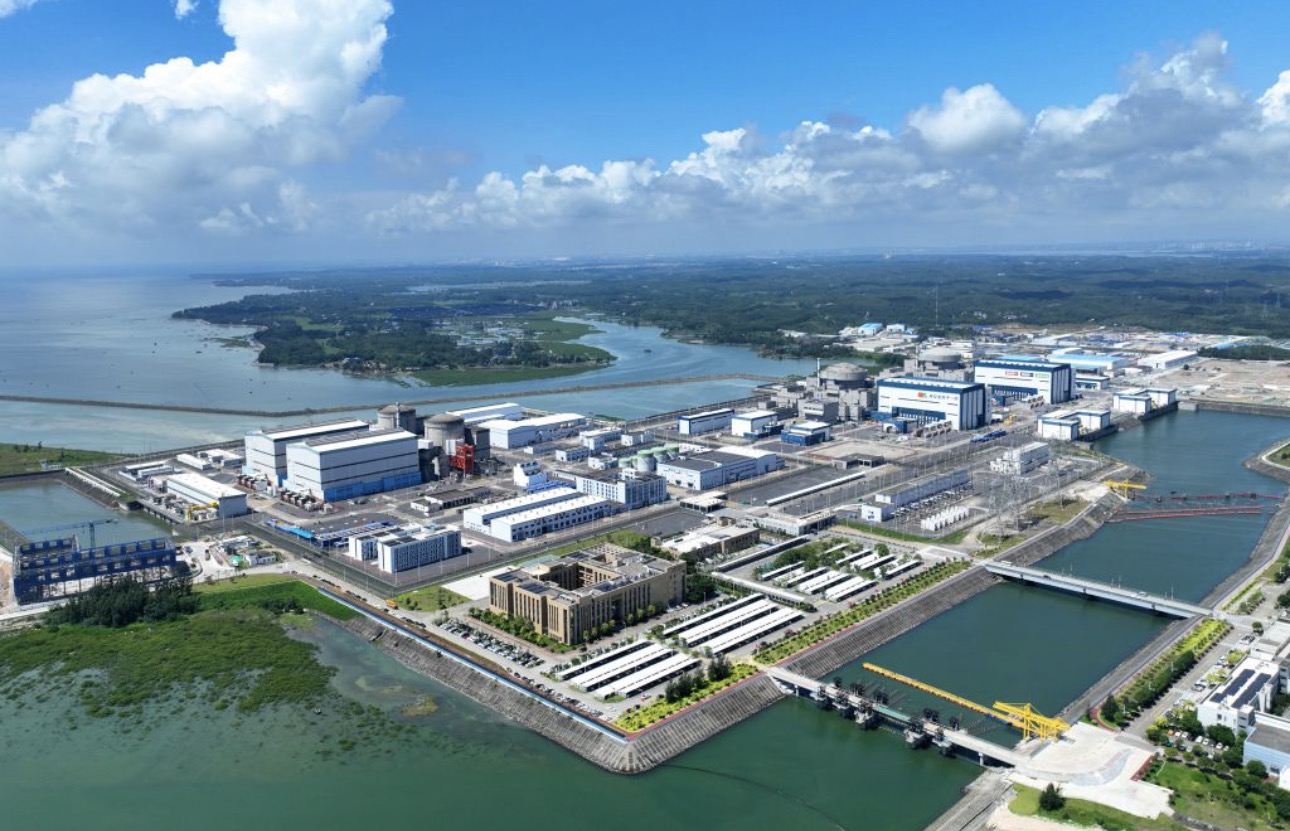
Fangchenggang Nuclear Power Phase I Marks 10th Anniversary of Commercial Operation: Two Units Have Cumulatively Supplied Over 160 Billion kWh, with WANO Indicators Achieving Full Marks for Seven Consecutive Years
Recently, Phase I of the Fangchenggang Nuclear Power Plant under China General Nuclear Power Group officially ushered in the 10th anniversary of its commercial operation. As the first nuclear power project in western China and in an ethnic minority region, the two million-kilowatt-class pressurized water reactor units at the site have maintained safe and stable operation for ten years since being put into operation. Their WANO composite index has achieved full marks for seven consecutive years, and they have cumulatively delivered over 160 billion kWh of clean electricity to the Beibu Gulf Economic Zone. It is understood that Phase I of the Fangchenggang Nuclear Power Project is located on Qisha Peninsula in Fangchenggang City, Guangxi Zhuang Autonomous Region, and is an important energy backbone project of the national Western Development Strategy. The project planned to build two self-developed CPR1000 pressurized water reactor nuclear power units with a single-unit capacity of 1.08 million kilowatts...
2026-10-04
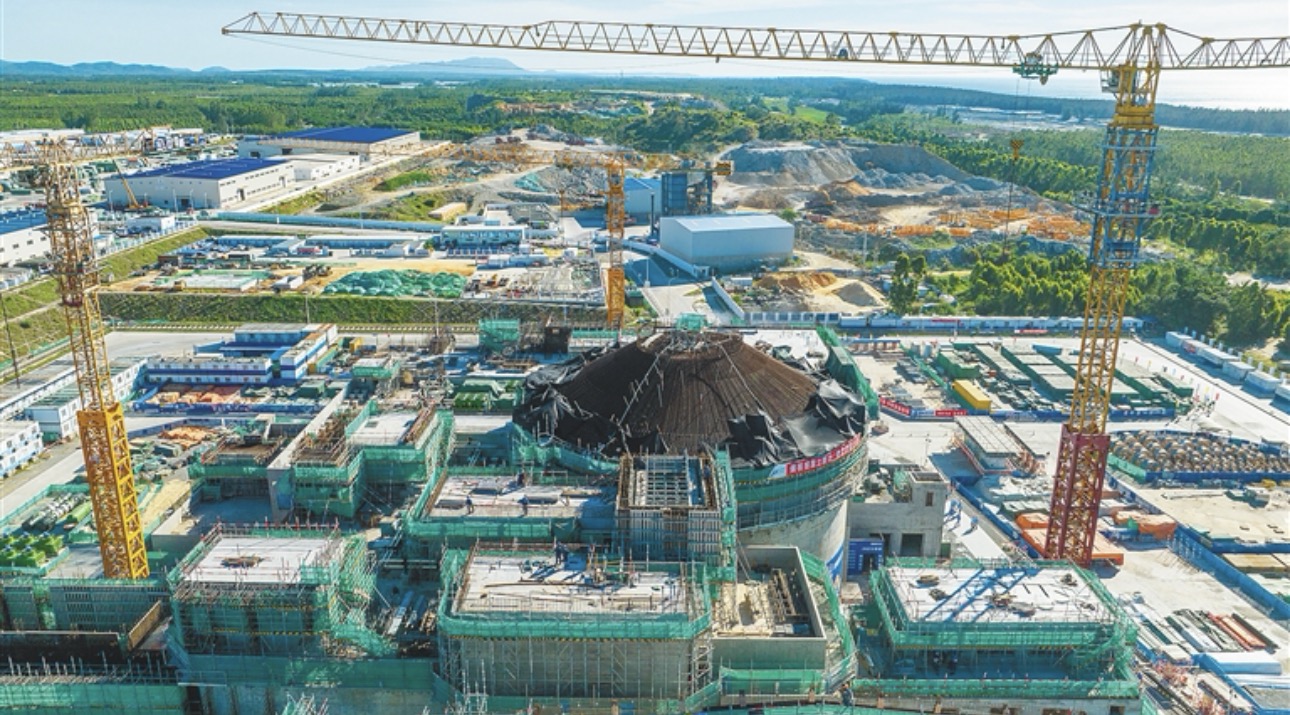
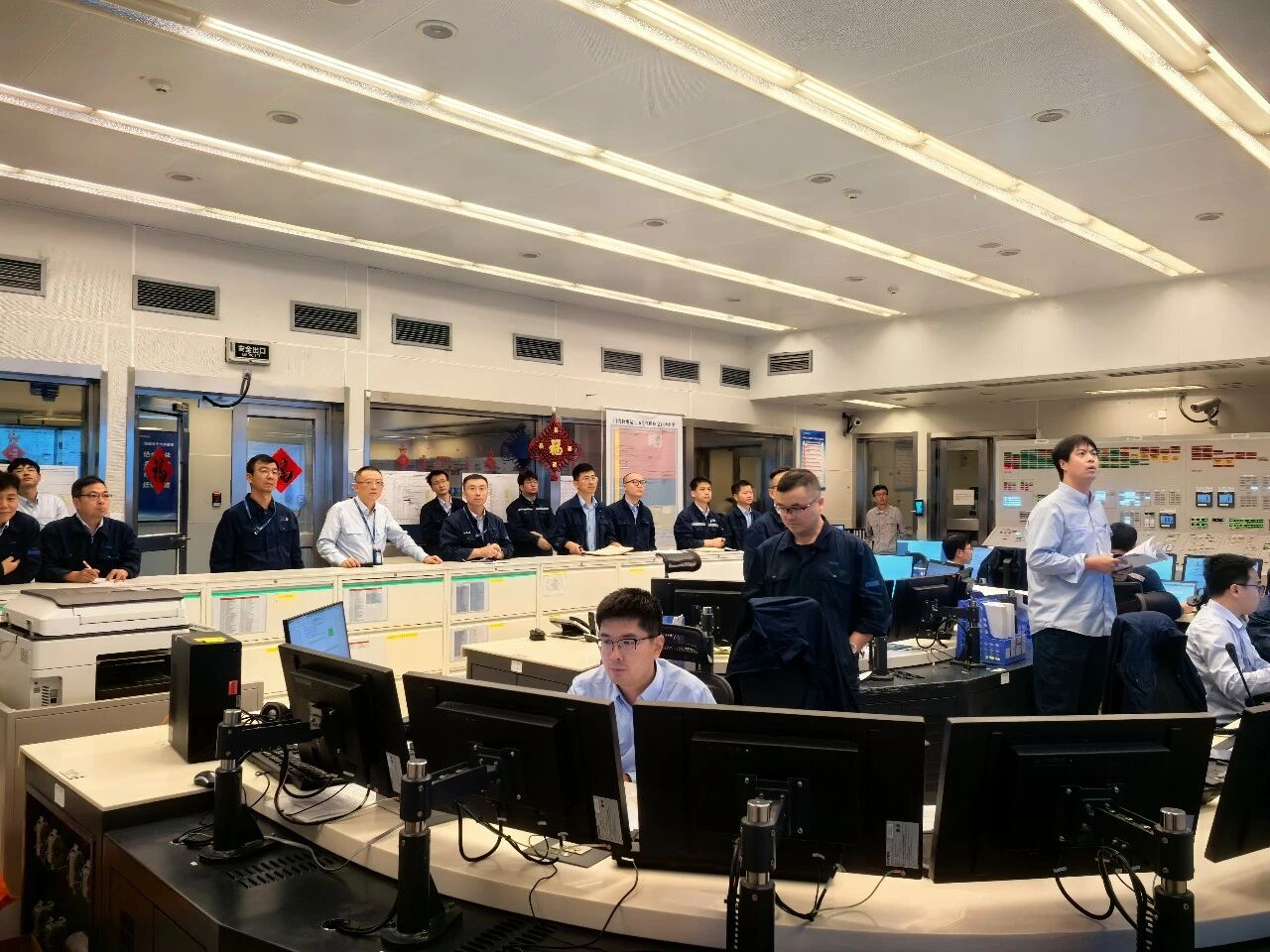
China's Linglong One global first-of-a-kind unit hot test steadily advances, moving toward the goal of fuel loading within the year
Recently, the Linglong One global first-of-a-kind unit at Changjiang, Hainan, China, is currently advancing hot functional testing in an orderly manner, steadily moving toward the goal of fuel loading within the year. It is understood that modular small reactors feature flexible deployment and outstanding inherent safety, and can be adapted to diverse application scenarios such as island power supply and industrial steam supply. Linglong One is the world's first onshore commercial modular small nuclear reactor to pass the safety review of the International Atomic Energy Agency (IAEA). At present, all civil construction of the project has been completed, and the installation of core equipment is basically complete. The hot functional test currently being carried out is a key comprehensive commissioning stage before unit fuel loading, used to verify the performance of the reactor primary loop and supporting systems under high-temperature conditions. If fuel loading is achieved within the year, it will mark the transition of the world's first onshore commercial modular small reactor from the construction stage to the operation preparation stage.
2026-10-05
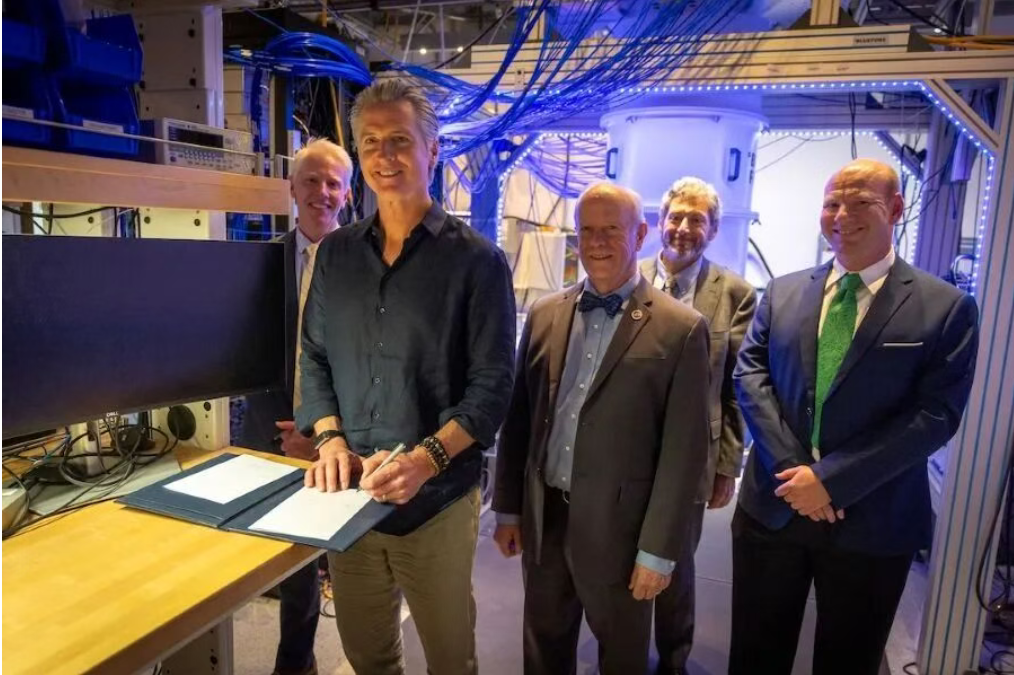
California Signs Two Bills to Reshape Advanced Nuclear Fission and Fusion Energy Strategy
California Governor Gavin Newsom recently signed two bills aimed at comprehensively advancing the state's nuclear energy development by reassessing advanced nuclear fission technology and establishing a strategic plan for nuclear fusion. In the field of nuclear fission, Assembly Bill 2647 (A.B. 2647) requires the California Energy Resources Conservation and Development Commission (CEC) to conduct a formal assessment of advanced nuclear energy technologies by January 1, 2028. The bill, introduced by Assemblymember Lisa Calderon, directs the CEC to comprehensively consider factors such as cost, grid reliability, fuel cycle, and public health in determining whether new nuclear power plants can help California achieve its 2045 zero-carbon electricity goal. Calderon stated that given current grid demands, California needs to reassess the role of nuclear energy in ensuring a stable and clean electricity supply based on modern technology.
2026-10-04
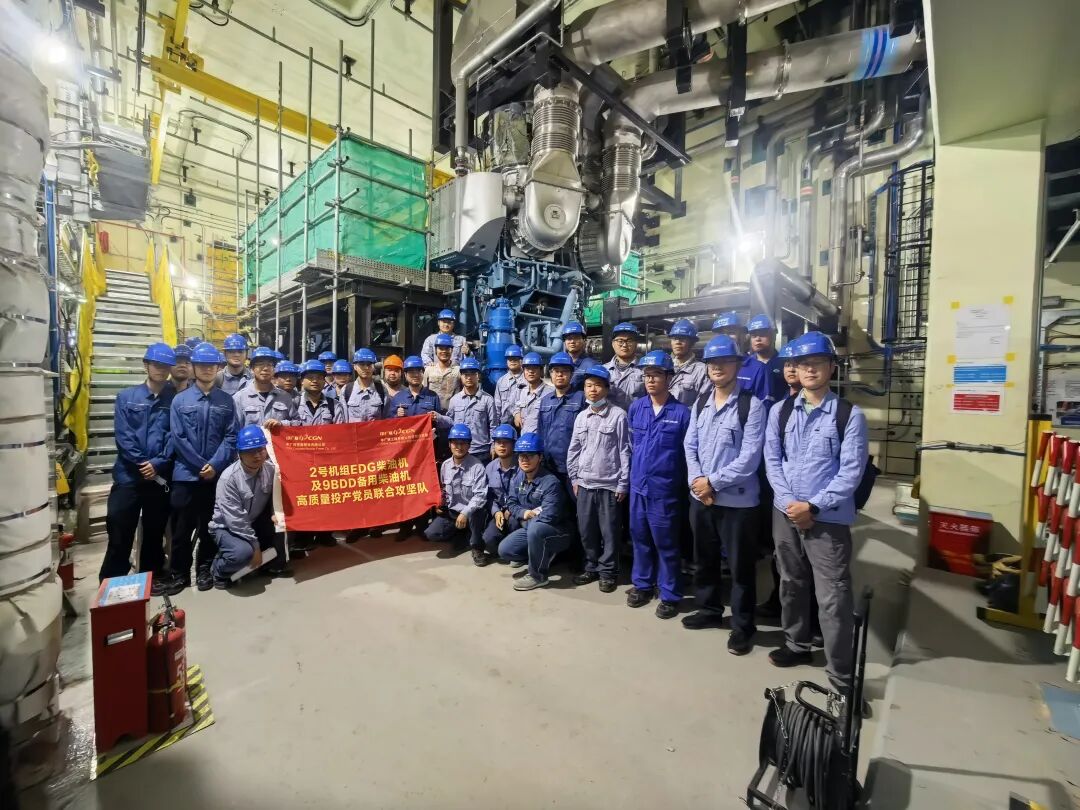
First Backup Emergency Diesel Generator of Hualong One Officially Available at Sanao Nuclear Power Unit 2
On October 2, the first backup emergency diesel generator (9LHW) of Hualong One completed the replacement grid connection test at Sanao Nuclear Power Unit 2 and was officially put into service. The equipment can replace any one of the original 12 emergency diesel generators (EDGs) in Phase I and Phase II projects, significantly improving the redundancy, reliability, and maintenance flexibility of the plant's emergency power supply. Sanao Nuclear Power Phase I and Phase II each have 3 emergency busbars, with one EDG configured for each busbar. However, due to the absence of cross-power supply for loads, the preventive maintenance windows of the original units were concentrated, affecting the overhaul schedule. Since 2021, Cangnan Nuclear Power has promoted the project of adding backup diesel generators, improving from the design source, building a new backup emergency diesel generator building (BDD), and constructing corridors and cables connected to each unit...
2026-10-03
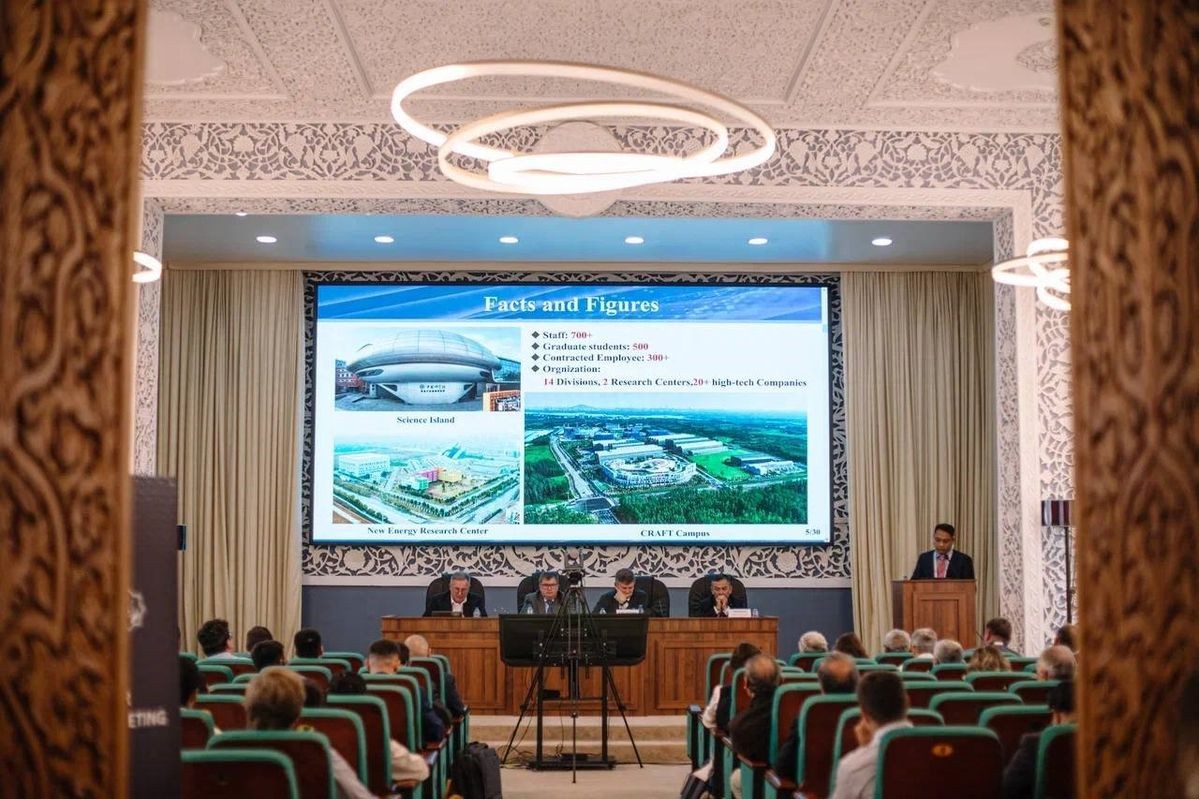
Experts from 18 Countries Discuss Research Planning for Russia's MBIR Fast Reactor International Research Center: Focusing on Closed Fuel Cycle and Mega-Science Engineering Synergy
At the Institute of Nuclear Physics of the Academy of Sciences of the Republic of Uzbekistan (INP AS RUz), the third meeting of the Advisory Council of the International Research Center (IRC MBIR), established on the basis of the Multi-purpose Fast Neutron Research Reactor (MBIR), was officially convened. The meeting attracted more than 150...
2026-10-03
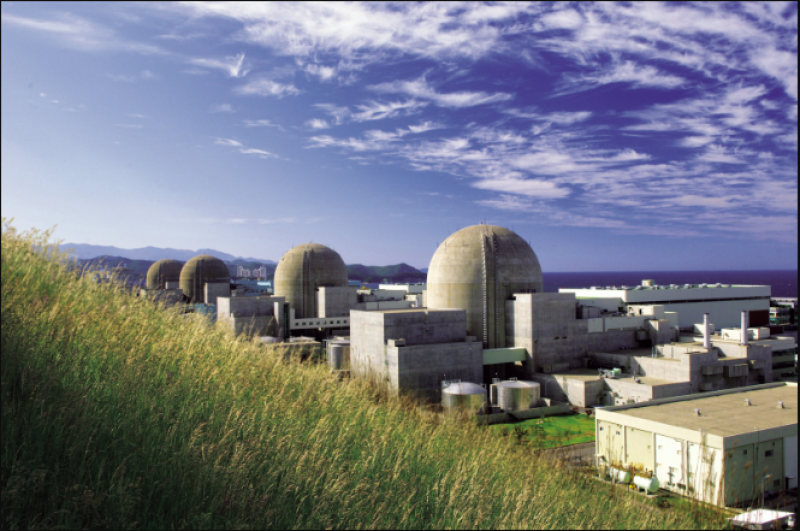
Hanul Unit 6 in South Korea commences its 15th planned preventive overhaul
Korea Hydro & Nuclear Power (KHNP)'s Hanul Nuclear Power Site announced that its Hanul Unit 6 was officially disconnected from the grid at 10:00 a.m. on September 30, fully launching its 15th planned preventive overhaul lasting approximately 72 days. Hanul Unit 6 is a 1,000-megawatt-class pressurized water reactor (PWR) with a rated electrical power of 1,000 megawatts. During this planned maintenance window, the operations and maintenance team will carry out routine nuclear fuel assembly refueling operations as scheduled, and conduct comprehensive preventive maintenance and performance testing on the reactor primary coolant system, engineered safety features, and conventional island critical...
2026-10-04

US and South Korea Advance $120 Billion Nuclear Power Investment Plan: First Batch of 8 Large Units' Sites Locked in Ohio and Three Other States
The joint US-South Korea strategic investment nuclear power project in the United States has achieved a key breakthrough. According to the latest disclosed information, the site selection for 8 large nuclear power units planned to be built on US soil has begun to take shape, with the project to be located in Ohio, Tennessee, South Carolina, and Kentucky. This is the first official disclosure of the proposed states since the announcement of this hundred-billion-dollar-scale nuclear energy investment plan. US Secretary of Commerce Howard Lutnick, during a recent US-South Korea strategic investment announcement event, systematically presented this massive nuclear power engineering blueprint to the public. Lutnick...
2026-10-02
Rosatom Proposes New VVER-1000 Nuclear Power Unit to Armenia
Alexey Likhachev, Director General of Rosatom, recently stated in Yerevan that the company has submitted specific proposals to the Armenian government for the construction of a gigawatt-class VVER-1000 nuclear power unit. The proposal is based on an assessment of Armenia's electricity demand through 2040 and plans to adopt Russia's mature pressurized water reactor technology, the VVER-1000, which features Generation 3+ safety systems and competitive electricity pricing advantages, and has already been built and commissioned in Russia, India, Iran, and other countries. The Russian side calls this option the optimal choice for the international market and is willing to develop the project into a comprehensive cooperation project attracting international suppliers. Previously, Likhachev held talks with Armenian Prime Minister Nikol Pashinyan and...
2026-10-03
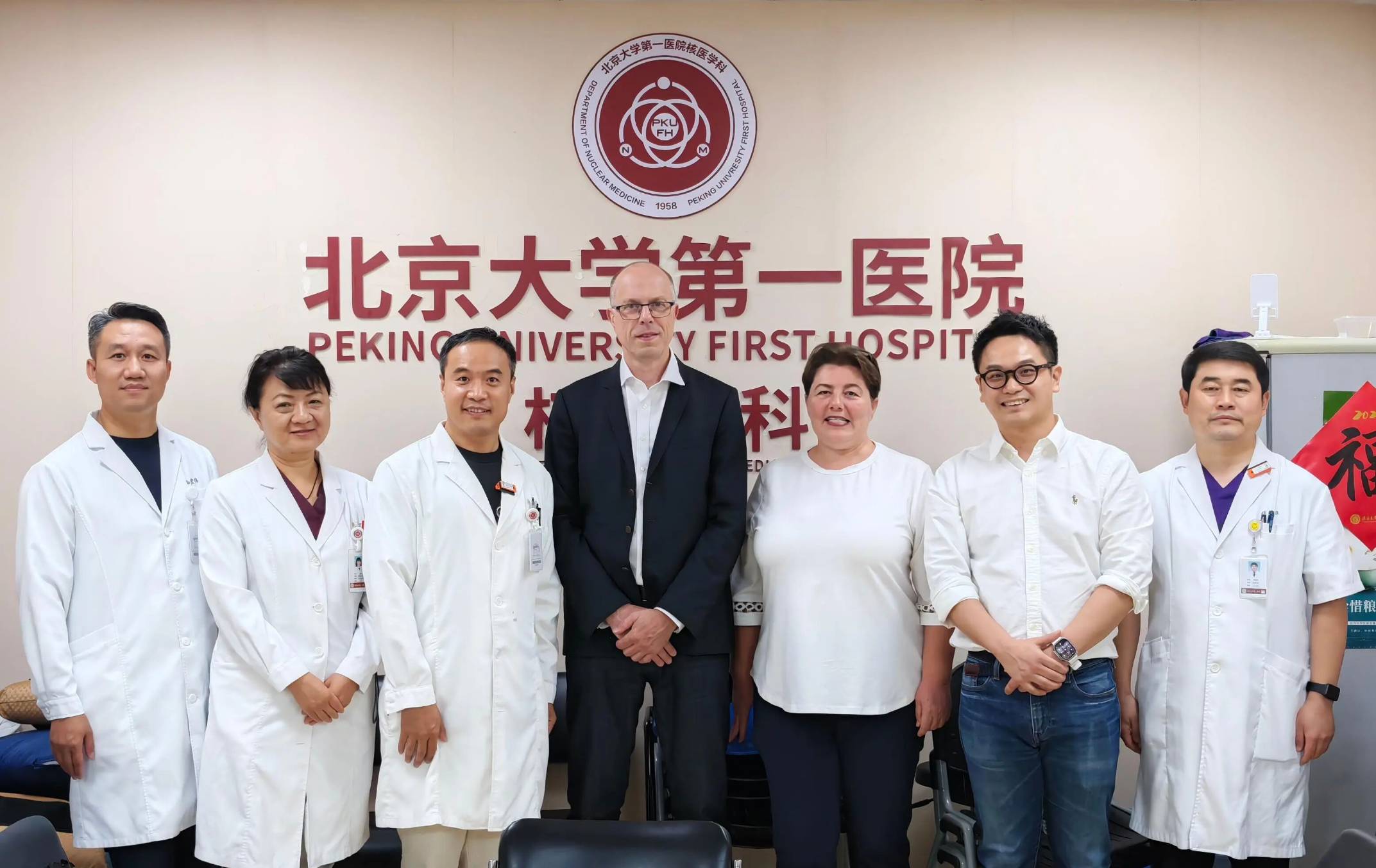
Department of Nuclear Medicine at Peking University First Hospital Receives EARL Theranostics Advanced-L2 Certification, Bringing Theranostics in Line with International Standards
The Department of Nuclear Medicine at Peking University First Hospital has recently officially received the Theranostics Advanced-L2 certification issued by EARL (EANM Research Ltd.), an affiliate of the European Association of Nuclear Medicine, becoming one of the few nuclear medicine theranostics centers in China to obtain this high-level certification. The certification audit standards are rigorous, covering comprehensive dimensions including PET/CT quantitative accuracy, therapy center operations, patient safety management, and clinical competency. Passing the certification means that the department's quantitative imaging and targeted therapy data meet internationally mutually recognized standards and can achieve high-level alignment with advanced nuclear medicine centers in Europe and the United States. During the certification review, EANM President-Elect Professor Felix M. Mottaghy and Ms. Iva...
2026-10-03
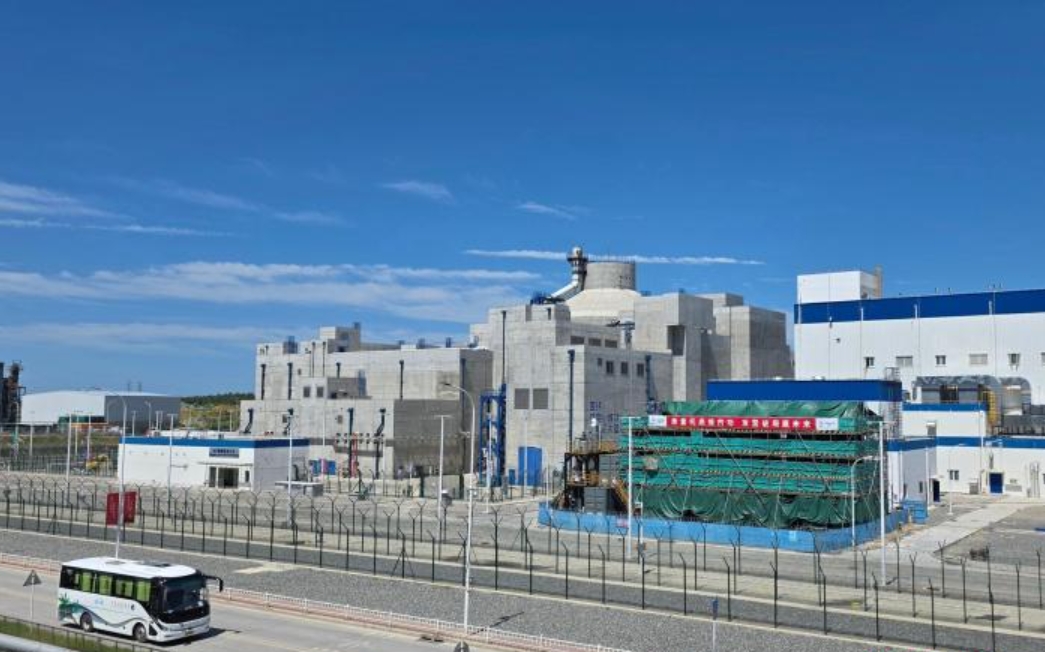
"Linglong One" Global First-of-a-Kind Unit Enters Hot Functional Testing Sprint Toward Fuel Loading: Hainan Nuclear Power Details Fully Passive Safety and Multi-Layer Defense Logic
At the Hainan Changjiang Nuclear Power Base, the highly anticipated Linglong One multi-purpose modular small pressurized water reactor global first-of-a-kind demonstration project is in the hot functional testing phase, making an all-out sprint toward the goals of first core nuclear fuel loading and grid-connected power generation within the year. As the world's first onshore commercial modular small reactor to pass the International Atomic Energy Agency's generic safety review, its safety margins and engineering design logic have drawn widespread industry attention. Currently, the civil engineering works of the Linglong One unit have been fully completed, and the installation and commissioning of core main equipment are essentially ready. Following the completion of cold functional testing in October 2025, the ongoing hot functional testing is raising the primary loop system temperature and pressure to near actual rated operating conditions...
2026-10-02
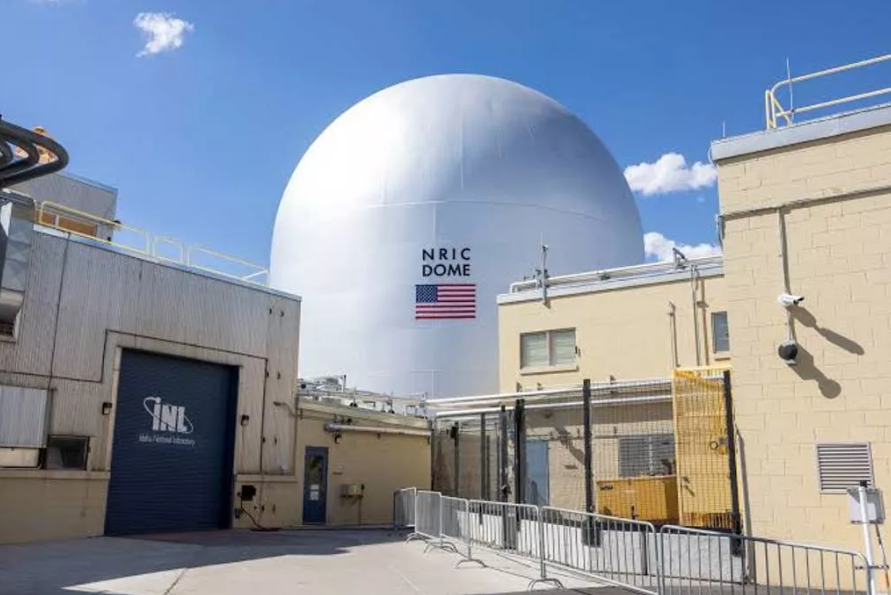
Deployable Energy 1MW Microreactor UNB Achieves Initial Criticality: Scheduled to Enter INL DOME Test Bed in 2027 for Full-Power Testing
Houston-based nuclear energy startup Deployable Energy recently announced that its independently developed Microreactor, the Unity Nuclear Battery (UNB), has successfully completed its Initial Criticality Test. According to the established deployment plan, the system will officially arrive at the Demonstration and Operation of Microreactor Experiments (DOME), the dedicated microreactor test bed at Idaho National Laboratory (INL), in 2027 to conduct full-power comprehensive performance testing. Although branded as a Nuclear...
2026-10-02

South Korea's Nuclear Safety and Security Commission Holds High-Level Talks with Vietnam: Deepening Nuclear Safety Regulatory Cooperation to Support Restart of Ninh Thuan Nuclear Power Project
The Nuclear Safety and Security Commission (NSSC) of South Korea held talks with a high-level Vietnamese delegation on October 1, 2026, in the large conference room in Jongno-gu, Seoul. Choi Wonho, Chairman of the Nuclear Safety and Security Commission of South Korea, Vu Hai Quan, Minister of the Ministry of Science and Technology (MOST) of Vietnam, and Nguyen Hoang Linh, Director General of the Vietnam Agency for Radiation and Nuclear Safety (VARANS), jointly attended the meeting, focusing on the systematic...
2026-10-01