
Search Results
Keyword:NI
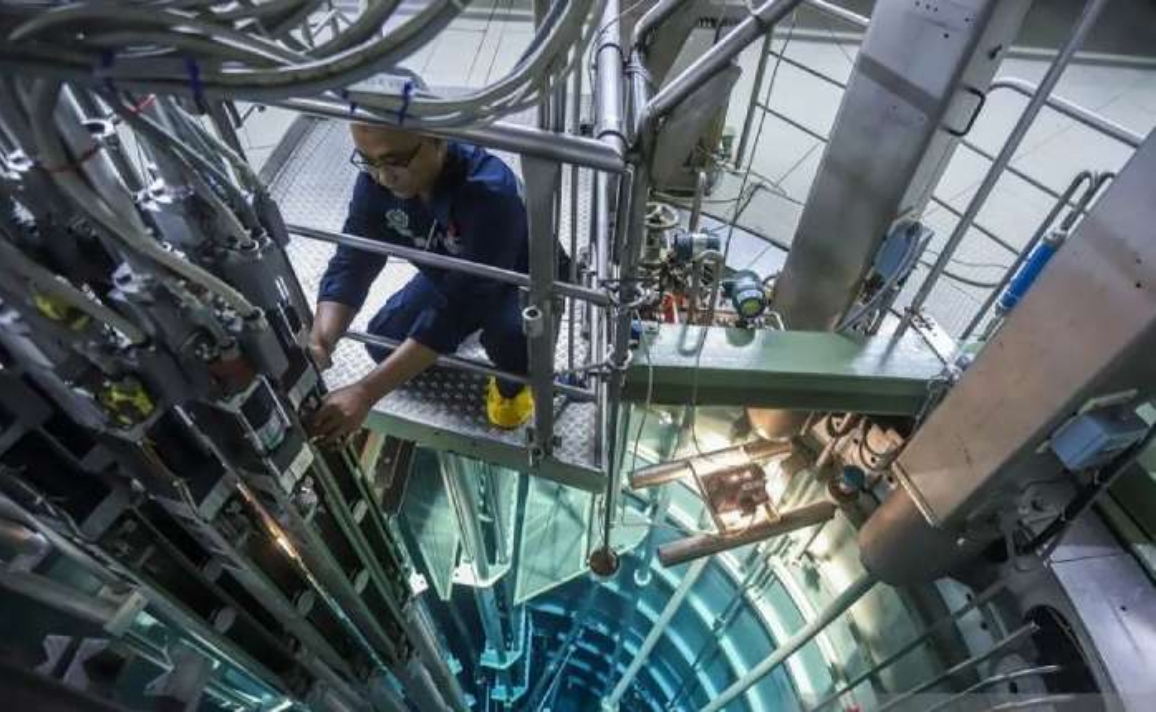
Indonesia Plans to Finalize the Site of Its First Nuclear Power Plant by 2027 at the Latest: Technologies from the United States, South Korea, Japan, and Russia Shortlisted for Cooperation Consideration
Elen Setiadi, Deputy Minister for Energy and Mineral Resources Coordination at Indonesia's Coordinating Ministry for Economic Affairs, stated on September 30 in Jakarta that the Indonesian government is comprehensively advancing the construction project of a Nuclear Power Plant (NPP) and plans to officially finalize the construction site in 2026, or by 2027 at the latest. Indonesia aims to fully integrate advanced nuclear power into its national medium- and long-term energy supply strategy, using stable and abundant baseload electricity to support sustained domestic economic growth and industrialization transformation. At the World Resources Institute Indonesia (W...
2026-10-02
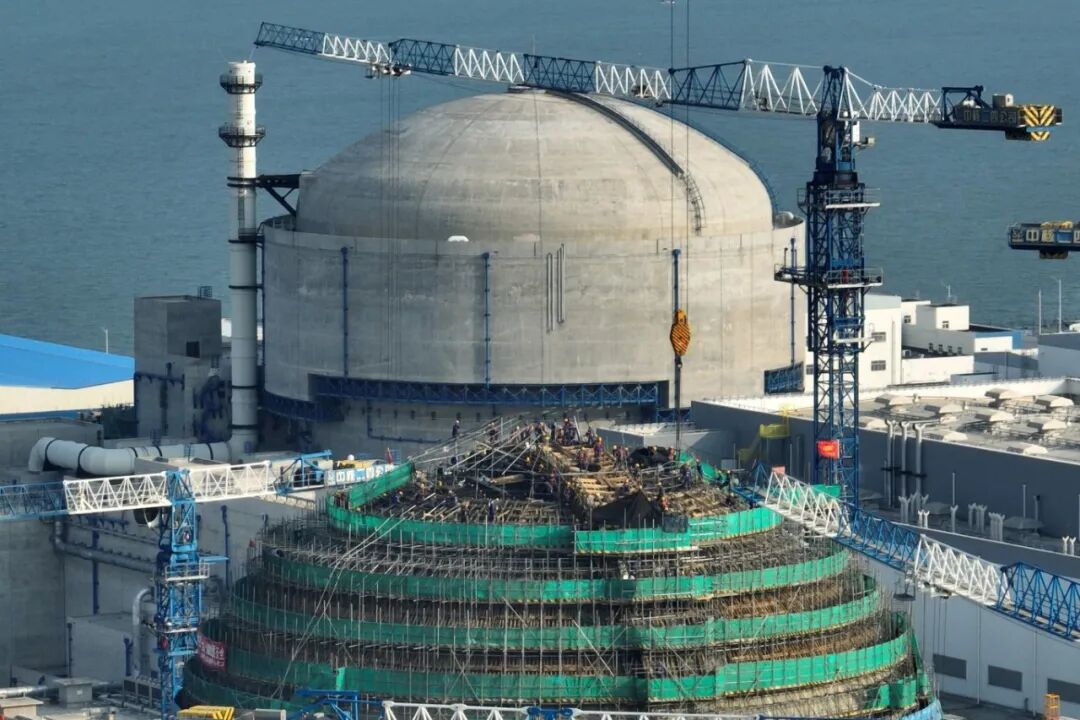
Inner Dome Concrete Pouring of Zhangzhou Nuclear Power Unit 3 Completed
On September 30, as the last batch of concrete was successfully poured into the formwork, China Nuclear Industry 24 Construction Co., Ltd. successfully completed the concrete pouring of the inner dome of the reactor building of the Hualong One Zhangzhou Nuclear Power Unit 3. The achievement of this key milestone marks the full completion of the civil construction of the inner containment for this unit, laying a solid foundation for the subsequent prestressing construction of the containment and the installation of core nuclear equipment. As an important safety barrier of the Hualong One independent third-generation nuclear power technology, the inner dome is located at the top of the nuclear island, and its core function is to ensure the integrity and absolute leak-tightness of the reactor building and prevent the leakage of radioactive substances. Faced with nuclear construction technical challenges such as the complex curved surface structure of the dome and the high difficulty of high-altitude operations, the Zhangzhou Nuclear Power Project Department...
2026-10-02
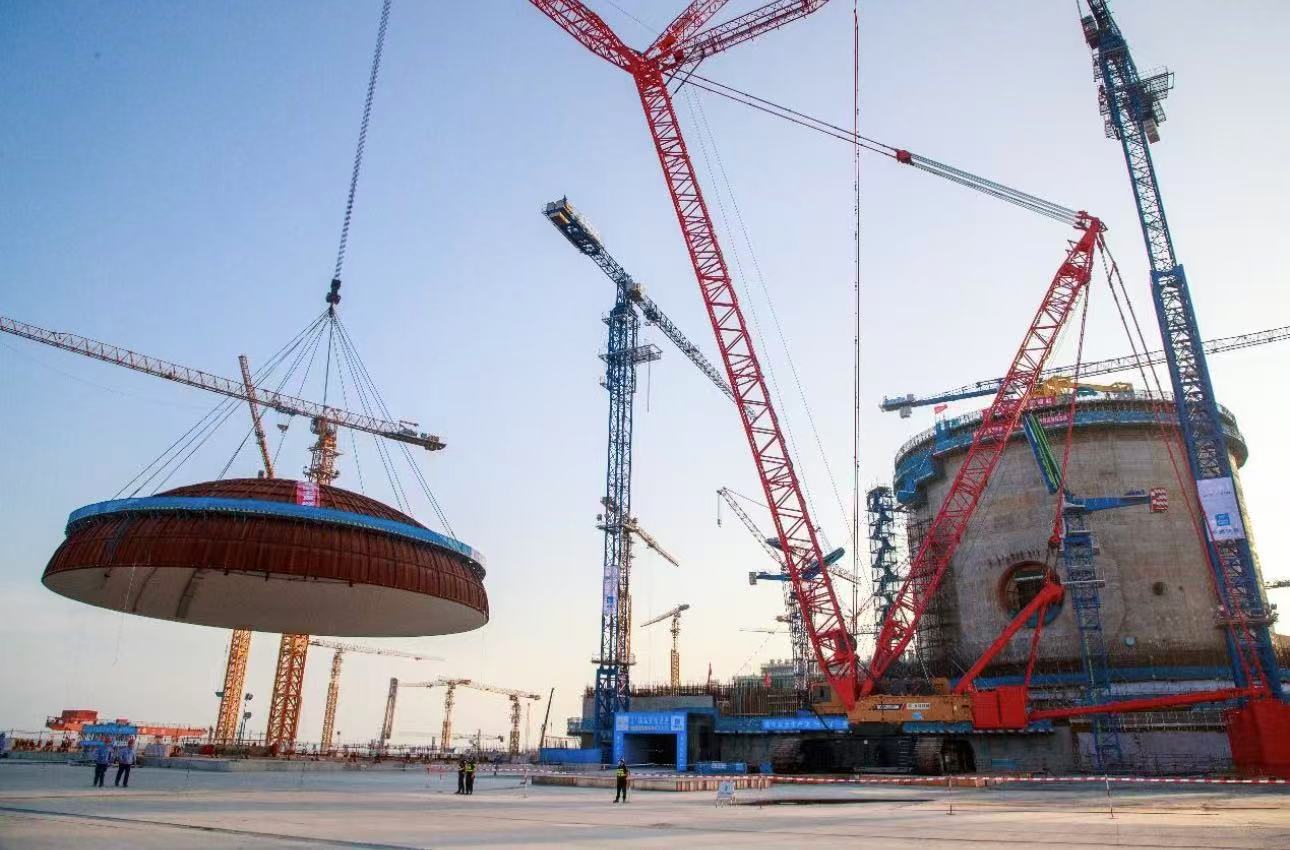
All Main Coolant Piping Modules of Unit 1 at China's Guangdong Taipingling Nuclear Power Project in Place
According to reports, on September 29, all main coolant piping modules of the nuclear island of Unit 1 at China's Guangdong Taipingling Nuclear Power Project were hoisted and installed in place. The main coolant piping is known as the "main artery" of the reactor, used to connect the reactor pressure vessel, steam generators and reactor coolant pumps, providing a circulation channel for the primary coolant, and is classified as nuclear safety Class 1 and seismic Category I equipment. The main coolant system of the Hualong One reactor consists of three loops, connecting the three major main equipment into a closed loop through the main coolant piping, and is an important part of the primary pressure boundary. The completion of all installations in place means that the installation of the core major components of the nuclear island is basically completed. The hoisting and installation of the main coolant piping requires precise control of pipe section angles and center-of-gravity positions within a confined space...
2026-10-01
Strengthen Regulation of Fusion Devices, Empower the Development of New Technologies
Recently, the South China Regional Office of Nuclear and Radiation Safety Supervision of the Ministry of Ecology and Environment (hereinafter referred to as the South China Regional Office) conducted a radiation safety supervision inspection of the J-TEXT tokamak fusion experimental device at Huazhong University of Science and Technology. As the only medium-to-large tokamak experimental device at a university in China, J-TEXT bears the important mission of fusion talent cultivation and frontier physics experiments. The South China Regional Office focused on key aspects including equipment operation, radiation protection, and authorization management, meticulously investigated safety hazards, verified the implementation of safety management systems, and urged Huazhong University of Science and Technology to promptly plug safety loopholes and standardize device operation procedures, effectively building a strong defense line for the safe and stable operation of fusion experimental devices, providing solid support for the orderly conduct of scientific research experiments...
2026-10-01
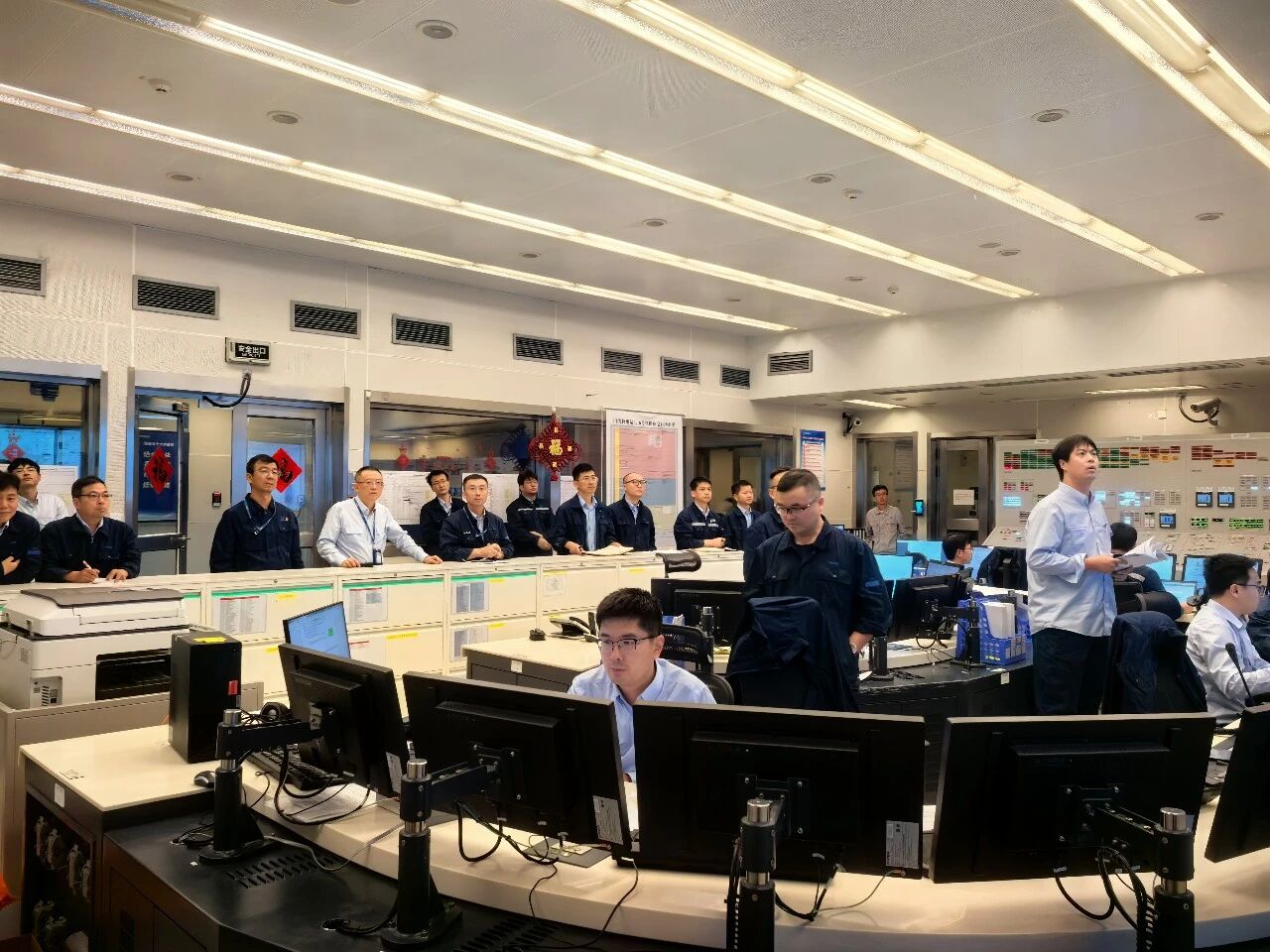
The 4th refueling overhaul of Tianwan Nuclear Power Unit 6 officially begins
At 06:00 on October 1, the main control operator of Tianwan Nuclear Power Unit 6 completed the turbine-generator trip operation, and the unit was officially disconnected from the East China Power Grid, marking the official start of the Tianwan Nuclear Power OT604 overhaul (the 4th refueling overhaul of Unit 6). During the preparation period for the OT604 overhaul, Jiangsu Nuclear Power and China Nuclear Operation and Maintenance deepened joint Party building study and practice, solidly advanced various overhaul preparation tasks, strictly implemented the "721" working principle of "seven parts preparation, two parts execution, one part feedback," conducted discussions and simulations on key milestones in advance, identified and investigated difficulties and bottlenecks in the overhaul, and formulated detailed countermeasures. This overhaul is a Class C overhaul and is also the final battle of the annual overhaul tasks at the Tianwan Nuclear Power Base. Jiangsu Nuclear Power...
2026-10-01

The first concrete pouring for the nuclear island of Unit 2 of State Power Investment Corporation (SPIC) Guangxi Bailong Nuclear Power Project was successfully completed.
The first concrete pouring for the nuclear island of Unit 2 of SPIC Guangxi Bailong Nuclear Power Project was completed at 16:07 on September 30, after 69 hours and 40 minutes of continuous work. A total of 6,732.5 cubic meters of concrete was used for this pouring, marking another important milestone for the project after the FCD achievement for the nuclear island of Unit 1. Phase I of the Bailong Nuclear Power Project plans to build two CAP1000 nuclear power units. These two units adopt independently designed and domestically manufactured Generation III passive nuclear power technology, with each unit having a capacity of up to 1.25 million kilowatts. At present, Unit 1 has entered the construction and installation stage, and the steel containment vessel bottom head, CA20, CV1R, CA01...
2026-09-30
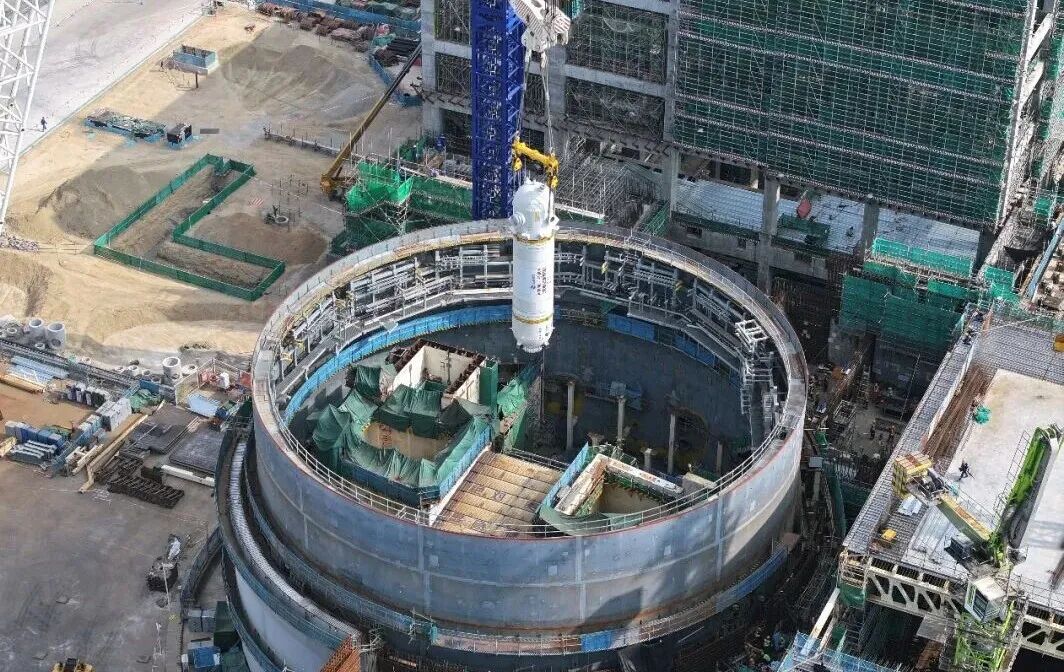
Pressurizer of Lufeng Nuclear Power Unit 1 Successfully Hoisted into Place
On September 30, the pressurizer of Lufeng Nuclear Power Unit 1, constructed by China Nuclear Industry 23 Construction Co., Ltd., was successfully hoisted into place. The success of this hoisting marks major progress in the installation of the primary circuit main equipment in the nuclear island of Lufeng Nuclear Power Unit 1, laying a solid foundation for the subsequent surge line welding, system equipment installation, and commissioning work. The pressurizer is a core main equipment of the nuclear island reactor coolant system and a Class 1 nuclear safety equipment. It undertakes the tasks of pressure regulation and overpressure protection for the primary circuit system and is key equipment for ensuring the safe and stable operation of the reactor. This equipment is a vertical cylindrical pressure vessel with a body height of more than ten meters and a total hoisting weight of over one hundred tons. It is installed in the pressurizer compartment of the CA01 module, with stringent design and manufacturing standards...
2026-09-30
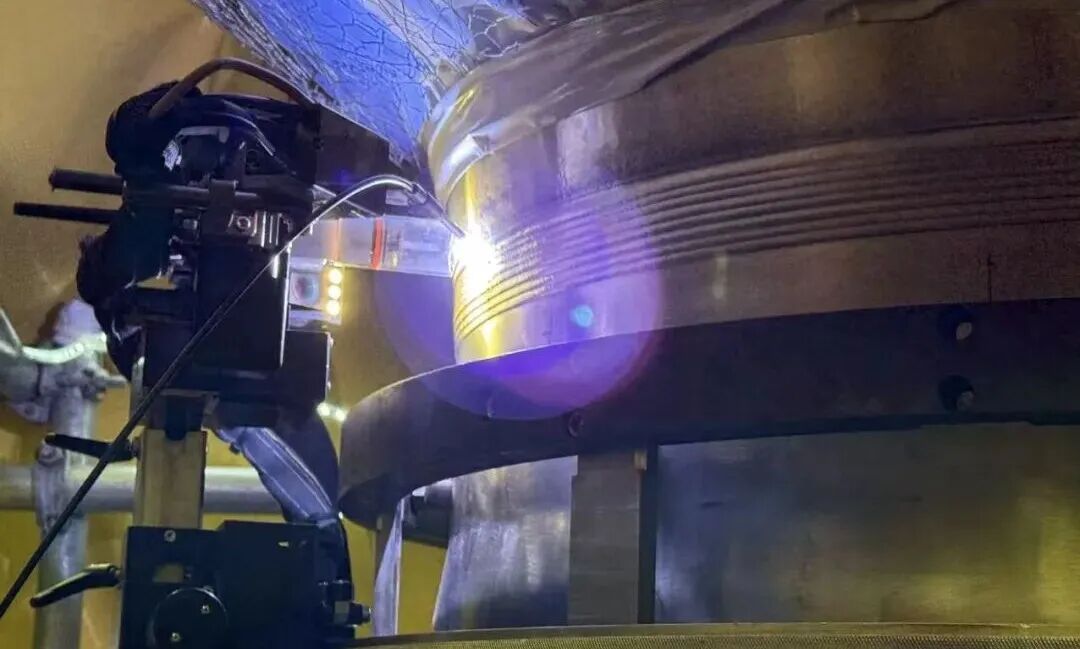
Main Coolant Piping Welding of Lufeng Nuclear Power Unit 6 Successfully Completed
On September 28, the main coolant piping welding of the nuclear island of Lufeng Nuclear Power Unit 6 was successfully completed. All non-destructive testing of the main coolant piping was finished, with the first-pass qualification rate of radiographic testing (RT)/ultrasonic testing (UT) reaching 100%, laying a solid foundation for subsequent key milestones such as nuclear loop flushing and cold functional testing. Facing the high standards of main coolant piping welding, the project department strictly implemented nuclear safety supervision and control requirements, carried out precondition verification across all dimensions of personnel, machines, materials, methods, and environment, established a main coolant piping welding control zone, strictly controlled the working environment including temperature, humidity, and cleanliness, and ensured stable and controllable welding conditions. The project team fully drew on the main coolant piping welding experience of Unit 5, formulated a special plan and implemented full-process management, and through digital monitoring means throughout the entire welding process, tracked key parameters such as welding deformation and temperature in real time, refined the process disclosure, in-process inspection, and quality acceptance procedures for each weld joint, and applied the work style of "strict, cautious, meticulous, and pragmatic" to every welding operation and every weld seam, ensuring the successful completion of the main coolant piping welding of Unit 6.
2026-09-30
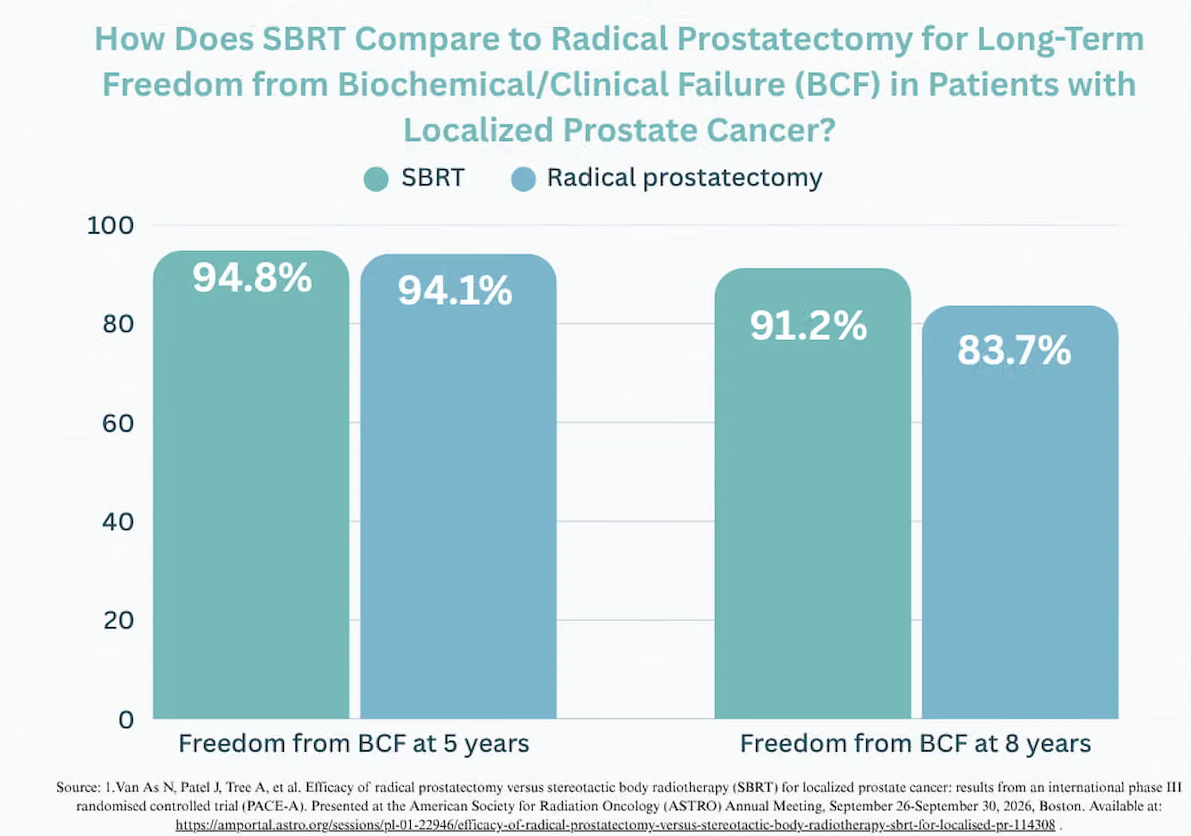
At the American Society for Radiation Oncology annual meeting, phase 3 clinical results were announced: SBRT radiotherapy for localized prostate cancer achieves long-term control rates comparable to radical prostatectomy and greatly reduces the risk of incontinence.
A latest phase 3 randomized controlled clinical study announced at the American Society for Radiation Oncology (ASTRO) annual meeting shows that for patients with localized prostate cancer (PCa), stereotactic body radiotherapy (SBRT) demonstrates excellent clinical application potential. Follow-up data show that SBRT is comparable to traditional radical prostatectomy in 8-year biochemical or clinical failure-free rates, and the incidence of urinary incontinence at 5 years after treatment is significantly reduced by nearly 40%. This phase 3 multicenter clinical trial...
2026-09-30
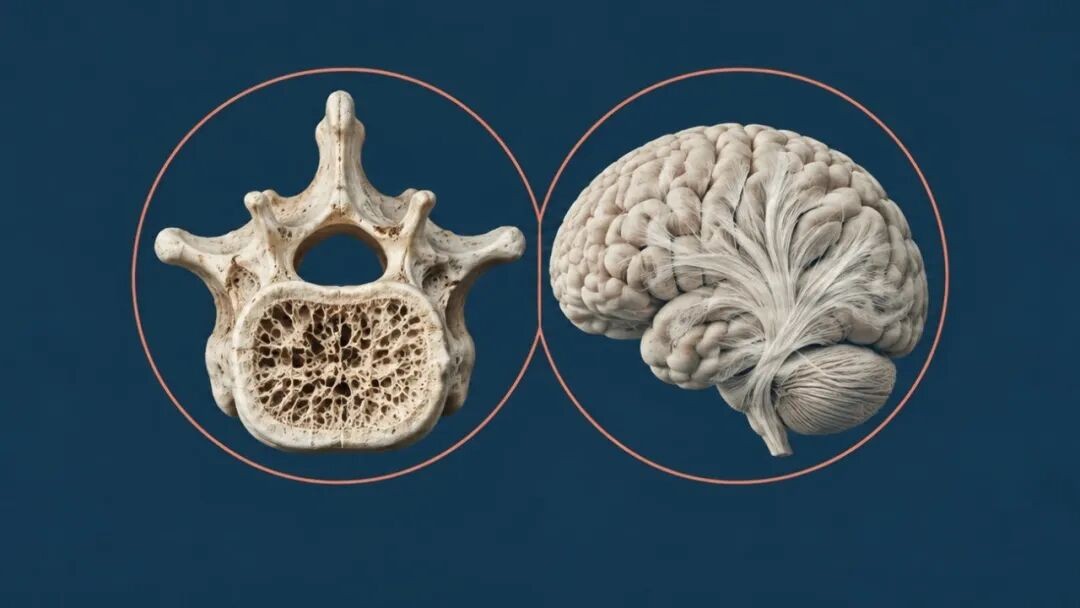
Chest CT Can Measure Bone Density and Warn of Brain Aging Risk: Latest Research Reveals Link Between Skeletal and Cognitive Decline
Chest computed tomography (CT), routinely used to screen for lung lesions, may hold important clues for assessing brain health. A research team from Johns Hopkins University in the United States explored approaches to using existing chest imaging to assess bone health and link it to brain aging, with the related findings published in September 2026 in the authoritative journal Radiology. The study showed that subjects with lower thoracic vertebral bone density experienced faster cognitive decline during subsequent follow-up, and specific white matter microstructural changes also showed associated degeneration. Chest CT is widely used in lung cancer screening and pulmonary nodule follow-up...
2026-09-30
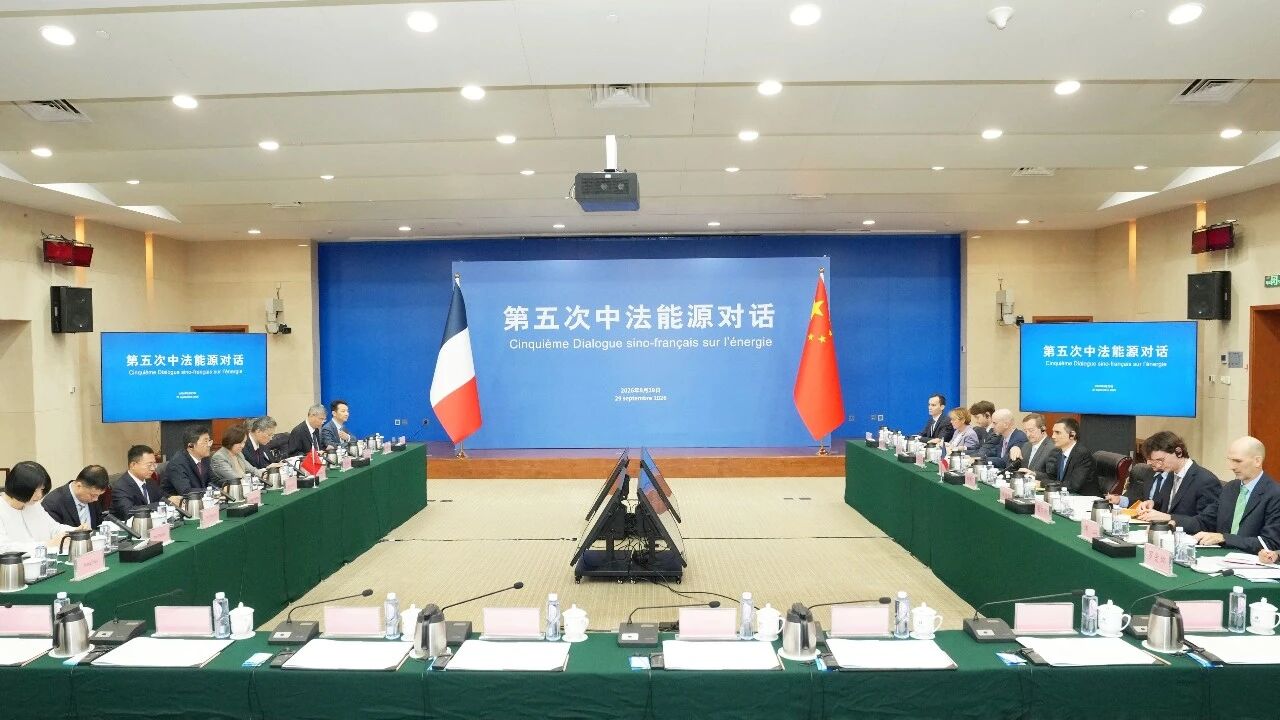
The Fifth China-France Energy Dialogue Held in Beijing
On September 29, He Yang, Deputy Administrator of China National Energy Administration, and Cedric Brier, Director General of the Directorate General for Energy and Climate of France, co-chaired the Fifth China-France Energy Dialogue in Beijing. The two sides conducted in-depth exchanges on policies concerning energy transition, energy security, and electrification, and fully exchanged views on practical cooperation in renewable energy, energy storage and hydrogen energy, civil nuclear energy, and other fields. Both sides emphasized that China-France energy cooperation started from civil nuclear energy and gradually expanded to multiple fields including oil and gas, renewable energy, energy technology innovation, and green and low-carbon transition, forming a cooperation pattern featuring complementary advantages, mutual benefit and win-win results, and long-term stability. Both sides are willing to uphold high-level consensus, leverage their respective advantages, tap into cooperation potential, innovate cooperation models, and push China-France energy cooperation to continue to deepen and upgrade, injecting new momentum into the sustained and healthy development of the China-France comprehensive strategic partnership, and contributing China-France wisdom and strength to promoting global energy security and green development.
2026-09-30
MOST Sets the Pathway for Hard-Core Science and Technology Breakthroughs in the "15th Five-Year Plan": Comprehensive and Systematic Deployment of Major Basic Research on Controlled Nuclear Fusion to Solidify the Foundation of Future Strategic Energy
At the series-themed press conference on "Getting Off to a Good Start in the '15th Five-Year Plan'" held by the State Council Information Office, the Ministry of Science and Technology officially released the top-level design and core breakthrough roadmap for building a science and technology powerhouse over the next five years. When outlining the layout for major science and technology breakthroughs and original innovation, Minister of Science and Technology Yin Hejun explicitly emphasized that, in strengthening the strategic depth of basic research, China will closely anchor itself to the frontiers of the global energy revolution and, centering on underlying scientific bottlenecks in key fields such as energy and materials, comprehensively and systematically deploy major basic research tasks including controlled nuclear fusion (Controlled Nuclear Fusion), so as to seize the future...
2026-09-30
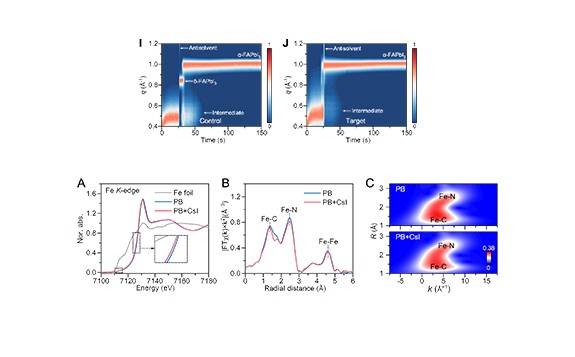
Major Scientific Facility Enables Breakthrough in New Energy Materials: IHEP Leverages Beijing Synchrotron Radiation Facility to Reveal High-Efficiency Crystallization Mechanism of Perovskite, Sub-module Photoelectric Conversion Efficiency Reaches 22.9%
Recently, the research team at the Multidisciplinary Research Center of the Institute of High Energy Physics (IHEP), Chinese Academy of Sciences, has made important progress in the study of the microscopic mechanisms of perovskite solar cell materials. The research team innovatively introduced Prussian Blue (PB) nanoframes with a high degree of lattice matching to perovskite, and leveraged a national major scientific and technological infrastructure——the Beijing Synchrotron Radiation Facility (BSRF)——to conduct multi-dimensional in-situ synchrotron radiation characterization. From the two perspectives of transient crystallization kinetics evolution and microscopic local coordination structure, they systematically elucidated for the first time the physicochemical mechanism by which Prussian Blue regulates perovskite nucleation and crystallization and suppresses ion migration. Large-area perovskite photovoltaic modules fabricated via wet...
2026-09-30

Civil Construction of Huizhou Heavy Ion Medical Center Passes Completion Acceptance and Transitions to Accelerator No-Load Commissioning
Recently, according to public information from the Huizhou Municipal Health Bureau, all approval procedures for the Heavy Ion Medical Center project of Huizhou Municipal Central Hospital have been completed, civil construction is 99.6% complete and has passed completion acceptance, and internal decoration and accelerator no-load commissioning are currently underway; the accelerator equipment investment is 480 million yuan, of which 303 million yuan has been disbursed. The project is planned to launch clinical trials in March 2027 and be officially put into operation by the end of the year. The center is adjacent to the Jinshan Campus of Huizhou Municipal Central Hospital, with a land area of approximately 12,000 square meters and a total floor area of 15,450 square meters; all heavy ion treatment rooms are located underground; 150 supporting inpatient beds are planned, with 2 treatment rooms to be opened initially, capable of treating approximately 900 cancer patients per year. The center...
2026-09-30
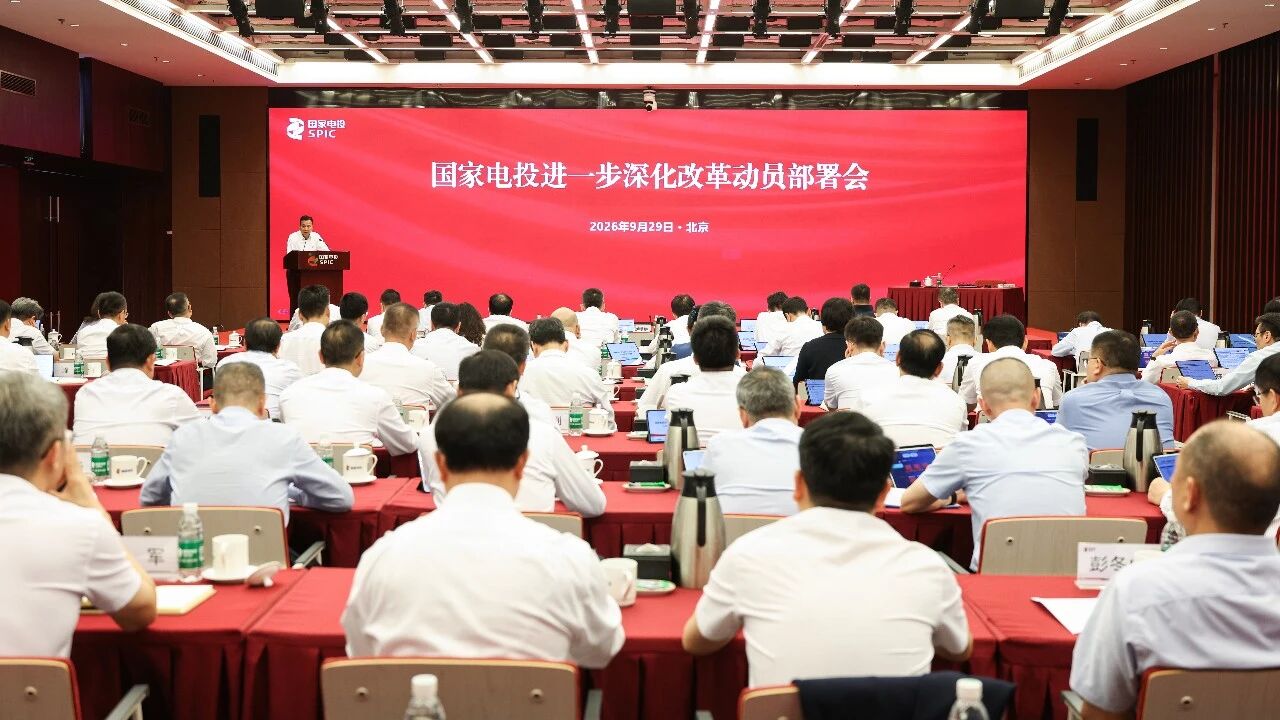
SPIC Holds Mobilization and Deployment Meeting on Further Deepening Reform
On September 29, SPIC held a mobilization and deployment meeting on further deepening reform in Beijing, to thoroughly study and implement General Secretary Xi Jinping's important expositions on the reform and development of state-owned enterprises and Party building, fully implement the decisions and arrangements of the CPC Central Committee and the State Council as well as a series of work requirements of the State-owned Assets Supervision and Administration Commission of the State Council, unify thinking, clarify tasks, and consolidate responsibilities, solidly advance the Group's new round of reform breakthroughs, and empower high-quality corporate development through reform. Liu Mingsheng, Secretary of the Party Leadership Group and Chairman of the Group, attended the meeting and delivered a speech; Tian Yongzhong, Director and Deputy Secretary of the Party Leadership Group, attended the meeting; Liu Feng, Member of the Party Leadership Group and Vice President, presided over the meeting; Group leaders Chen Haibin, Gao Boyu, and Yan Hang attended the meeting. The meeting pointed out...
2026-09-30