
Search Results
Keyword:Nuclear Regulatory Commission

Blue Energy Submits Construction Permit Application to U.S. Nuclear Regulatory Commission to Advance Texas Gas-to-Nuclear Project
Blue Energy announced that it has submitted Part One of its construction permit application to the U.S. Nuclear Regulatory Commission (NRC) for its first gas-to-nuclear project at Port Victoria, Texas. This milestone move makes Blue Energy one of only five nuclear energy companies to have submitted a construction permit application to the NRC in the current new wave of nuclear power development. Blue Energy employs the Blue Way of prefabricated and standardized construction, transport, and assembly of nuclear power plants. Compared with traditional nuclear power projects, this model can shorten project commissioning time by more than a decade and significantly reduce costs and construction risks. With the final investment decision expected to be made in 2027, the project plans to deploy GE Vernova 7HA.02 gas turbines and GE Vernova Hitachi BWRX-300 small modular reactors (SMRs) to create a first-of-its-kind gas-to-nuclear hybrid power plant.
2026-09-17
Terrestrial Energy Submits Graphite Topical Report to U.S. Nuclear Regulatory Commission, Advancing Integrated Molten Salt Reactor Licensing Process
Terrestrial Energy, a leading company in fourth-generation molten salt reactor technology, announced on September 10 that it has submitted the Graphite Topical Report to the U.S. Nuclear Regulatory Commission (NRC). The submission of this report is intended to establish a solid regulatory certification basis for the application of nuclear-grade graphite—a core component of the IMSR core unit—in commercial power plants, marking an important step in the company's commercialization process. The IMSR reactor is a graphite-moderated molten salt reactor. Although graphite has a relatively long history of application in the nuclear power field, regulators require independent performance verification for each specific reactor design to ensure safety and reliability. This submission...
2026-09-16

US-based Terrestrial Energy Submits IMSR Graphite Topical Report to Advance Molten Salt Reactor Licensing Preparation
US fourth-generation molten salt nuclear power plant developer Terrestrial Energy Inc. (NASDAQ: IMSR) recently announced that it has submitted a graphite topical report to the US Nuclear Regulatory Commission (NRC). The report is intended to provide a regulatory basis for the use of graphite, a key core component of the Integral Molten Salt Reactor (IMSR), in commercial power plant operation. Terrestrial Energy CEO Simon Irish stated that this is the second of at least three IMSR topical reports the company plans to submit to the NRC in 2026, and is part of its structured regulatory engagement plan, ultimately...
2026-09-11

U.S. Proposes Clearer Groundwater Protection Standards for In-Situ Uranium Recovery Sites
The U.S. Nuclear Regulatory Commission (NRC) on September 1 proposed a rule aimed at establishing clearer groundwater protection standards for communities surrounding in-situ uranium recovery sites, while streamlining the process for extending decommissioning deadlines for radioactive materials facilities and nuclear reactors, reducing redundant administrative steps without compromising safety. The rule addresses two aspects under NRC oversight. First, it proposes risk-informed regulatory standards for protecting drinking water near in-situ uranium recovery facilities, designed to guard against both radiological and non-radiological contamination. In-situ uranium recovery is a method of uranium extraction that involves injecting solution into uranium-bearing ore bodies to dissolve underground uranium resources and pump them to the surface for recovery. Second, it proposes to simplify the process for facility owners to apply for extensions of decommissioning deadlines. The NRC stated that current time requirements are relatively rigid and may lead to premature license termination; the proposed changes aim to reduce applicant costs, improve regulatory efficiency, and provide clearer expectations for communities and facility operators.
2026-09-02
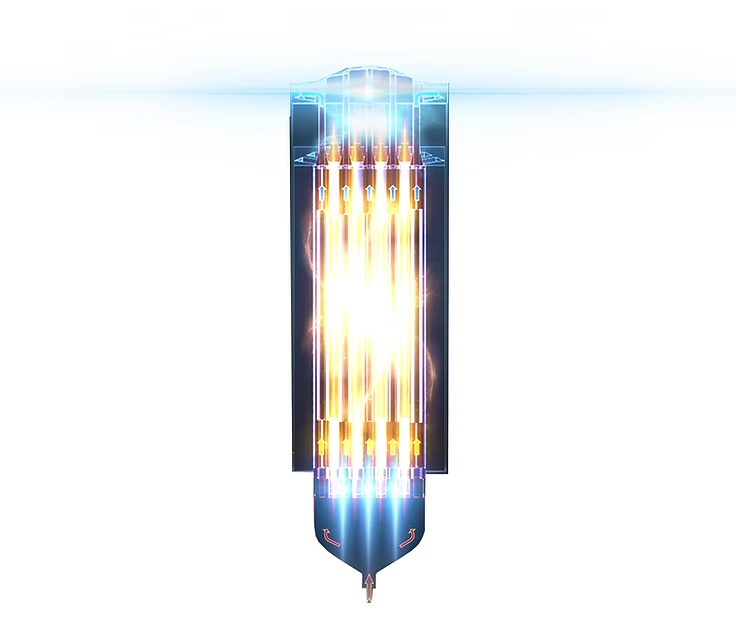
NRC Initiates Pre-Application Review of Terra Innovatum's SOLO Construction Permit Application
The U.S. Nuclear Regulatory Commission (NRC) has initiated the first phase of its readiness review of selected materials from the proposed construction permit application (CPA) for the SOLO micro modular reactor submitted by Terra Innovatum Global NV. This review is a limited-scope pre-application assessment designed to help the applicant identify potential information gaps, technical issues, or policy concerns early in the process. According to the schedule published by the NRC, Terra Innovatum requested a two-phase readiness review of its proposed construction permit application on July 20, 2026. The NRC subsequently developed a review plan, and the first phase began on August 10, 2026, through a kickoff meeting...
2026-08-20
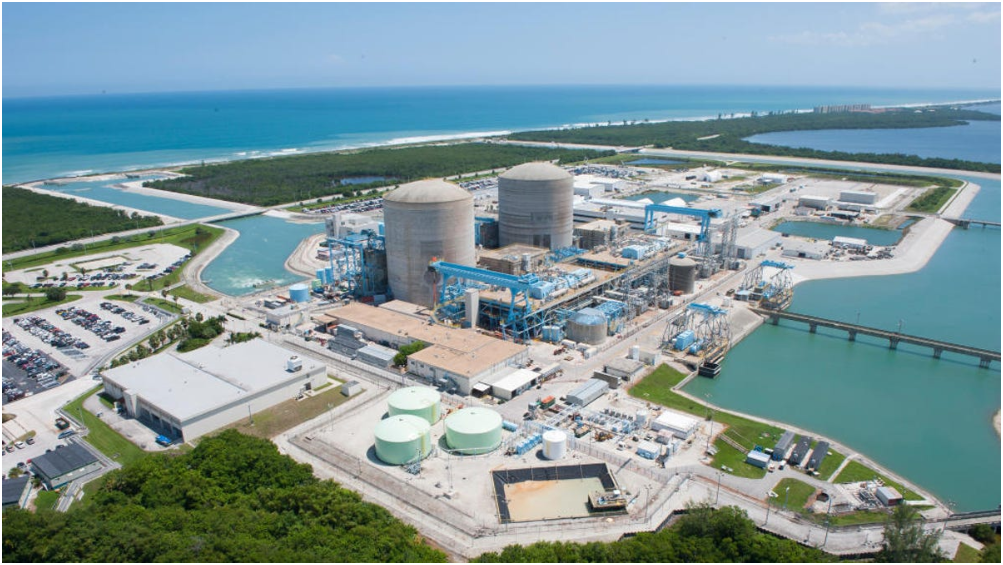
St. Lucie Nuclear Power Plant Unit 1 Returns to Full Power After Control Rods Unexpectedly Dropped into Reactor Core
Florida Power & Light (FPL) stated that St. Lucie Nuclear Power Plant Unit 1 has returned to 100% generating capacity after being manually shut down last week due to equipment issues. The unit was manually shut down by operators on Wednesday to facilitate inspections and repairs. According to information from the U.S. Nuclear Regulatory Commission (NRC), the incident was caused by three control rods dropping into the reactor core. FPL stated that the event posed no threat to the public or plant employees and caused no customer power outages. The cause of the equipment malfunction remains under investigation. St. Lucie Nuclear Power Plant is located near St. Lucie County, Florida. Forrest Brandon, a local resident living along the Indian River Lagoon with a view of the plant buildings...
2026-08-18
St. Lucie Nuclear Power Plant Unit 1 Manually Shut Down After Three Control Rods Dropped into the Core
According to an event notification submitted to the U.S. Nuclear Regulatory Commission (NRC), Unit 1 of the St. Lucie Nuclear Power Plant, located on Hutchinson Island, Florida, USA, experienced a manual reactor shutdown at 9:47 a.m. Eastern Time on August 13, 2026. At the time of the event, the unit was in Mode 1 and operating at 100% power. The shutdown was caused by three control rods dropping into the reactor core. The U.S. Nuclear Regulatory Commission classified the event as a non-emergency. The licensee stated that the shutdown was completed in accordance with procedures, all systems responded normally after the shutdown, and operators subsequently stabilized the unit in Mode 3, i.e., hot standby condition. Decay heat was removed by diverting steam to the main condenser via turbine bypass valves and the main feedwater system...
2026-08-17
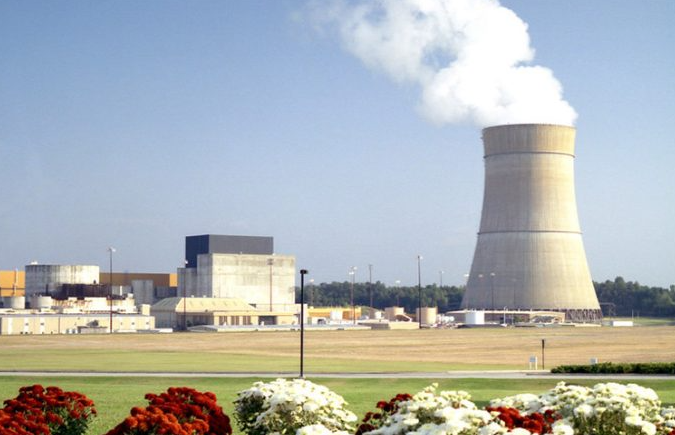
U.S. NRC Proposes Radiation Protection Rule Changes, Removal of ALARA Requirements Sparks Safety Controversy
The U.S. Nuclear Regulatory Commission (NRC) plans to hold an online public meeting on August 10 to discuss its proposed rule titled "Reforming and Modernizing the NRC's Radiation Protection Framework." The proposal, published on July 15, centers on reexamining the use of the linear no-threshold model in assessing radiation health effects, as well as the as low as reasonably achievable principle—the ALARA principle—derived from that model. Under the proposal, the NRC intends to remove ALARA-related requirements from its regulations and instead adopt a graded dose management framework. This framework would be based on explicit radiation protection thresholds, dose management methods, and acceptable dose measurement approaches. The regulator stated that this move is not about changing exposure standards for workers and...
2026-08-08
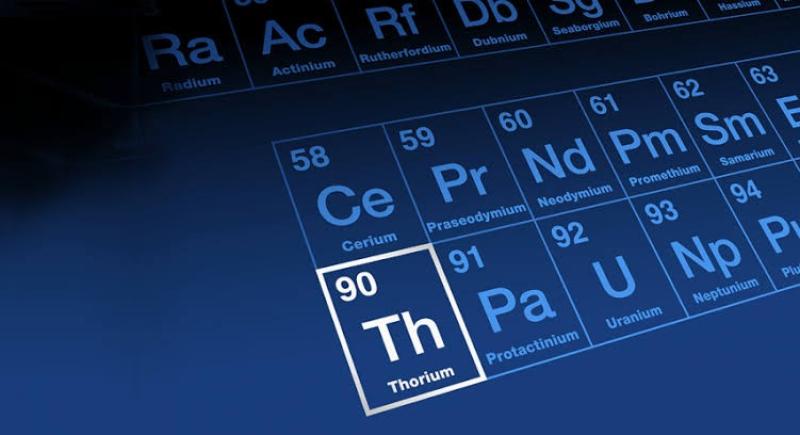
Thorium Atomics Initiates Pre-Application Regulatory Engagement with U.S. Regulators for Tesseract TGR Reactor
On August 7, Thorium Atomics announced that it has initiated pre-application regulatory engagement with the U.S. Nuclear Regulatory Commission (NRC) for its Tesseract TGR advanced reactor project. Prior to this, the company submitted a letter of intent to the NRC outlining the technical and licensing discussions it plans to conduct with regulators in the future. Thorium Atomics submitted the letter of intent on June 23, 2026. The NRC subsequently responded by letter on July 24, 2026, confirming the assignment of project number 99902174 for the Tesseract TGR project and designating a project manager from the Office of Advanced Reactors to coordinate pre-application activities. This number will be used for the administrative management and tracking of future correspondence, meetings, submissions...
2026-08-08
U.S. NRC to Debut Modernized Hearing Process in Advanced Reactor Licensing Review for the First Time
The U.S. Nuclear Regulatory Commission (NRC) will hold a public hearing on August 13 in Oak Ridge, Tennessee, to consider the Tennessee Valley Authority's (TVA) application to build a small modular reactor at the Clinch River site. This will mark the first time the NRC applies its modernized mandatory hearing framework in an advanced reactor licensing review. According to the NRC, the new hearing process is designed to give the public earlier insight into the agency's review of the project's safety and environmental impacts, while improving the transparency, predictability, and efficiency of licensing reviews. As part of its licensing modernization efforts, the NRC currently aims to complete construction permit-related decisions within 18 months. TVA plans to...
2026-08-07
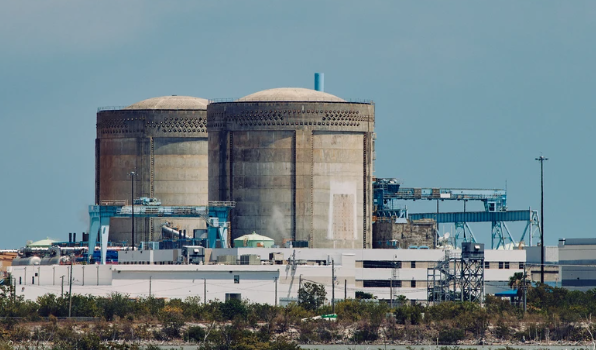
U.S. Environmental Groups Sue, Claiming Turkey Point Nuclear Plant License Renewal Requires Additional Environmental Review
The U.S. Nuclear Regulatory Commission (NRC) faces a legal challenge over its renewal of operating licenses for Units 3 and 4 at the Turkey Point nuclear power plant near Miami, Florida. Florida environmental group Miami Waterkeeper Inc. has petitioned the U.S. Court of Appeals for the District of Columbia Circuit, arguing that the agency failed to follow proper procedures during the license renewal process and overlooked significant environmental concerns. At the heart of the lawsuit is Miami Waterkeeper's assertion that the NRC should not have proceeded with the license renewal after denying the group's hearing request. The organization had participated in the related administrative proceedings and raised objections concerning the plant's environmental impact review, but the NRC concluded those proceedings in March of this year...
2026-08-07
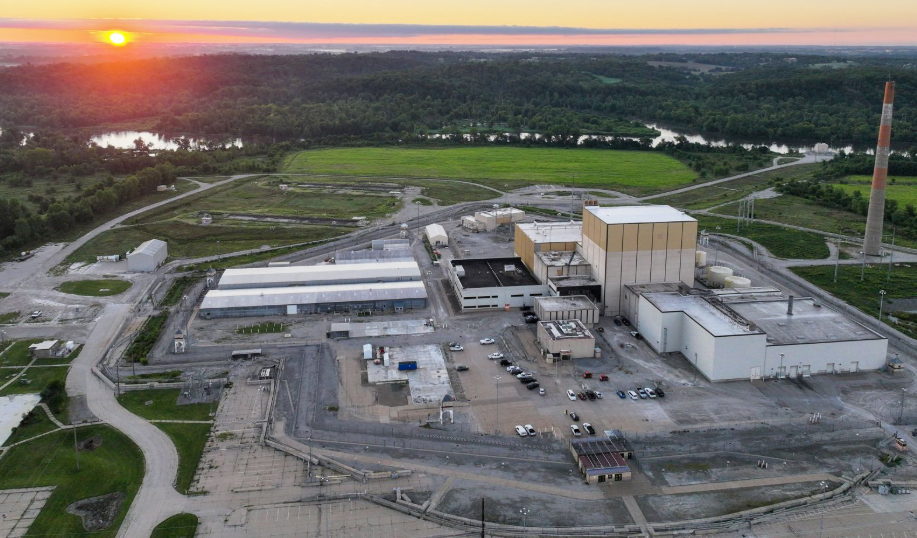
NRC Preliminary Assessment Finds No Significant Environmental Impacts from Duane Arnold Nuclear Plant Restart
The U.S. Nuclear Regulatory Commission (NRC) has issued a draft environmental assessment for the restart of the Duane Arnold nuclear power plant, preliminarily concluding that the project would not result in significant environmental impacts. NextEra Energy plans to restart the Duane Arnold nuclear power plant in Palo, Iowa, as early as 2029, and has made significant progress. The U.S. Department of Energy's Office of Energy Advantage Financing participated as a cooperating agency in drafting the environmental assessment, as the department is considering providing financial support for the restart project. According to a notice in the Federal Register, NRC staff evaluated the potential impacts of restarting the 615-megawatt Duane Arnold nuclear power plant on land use, meteorology, air quality and...
2026-08-05

Westinghouse and Amentum Expand Cooperation to Support Scaled Deployment of APX Technology Platform
Westinghouse Electric Company announced on August 4 that it has reached a series of agreements with Amentum to expand cooperation around Westinghouse's APX technology platform, enhance the scaled deployment capability of AP1000 reactors, and advance the development and licensing of the AP300 Small Modular Reactor (SMR). Under the agreements, the two companies will collaborate to advance AP300 SMR regulatory approval from the U.S. Nuclear Regulatory Commission (NRC). Westinghouse stated that obtaining regulatory approval is a critical step for AP300's market entry, and Amentum's engineering capabilities and nuclear project experience will support these efforts. Westinghouse Electric...
2026-08-05
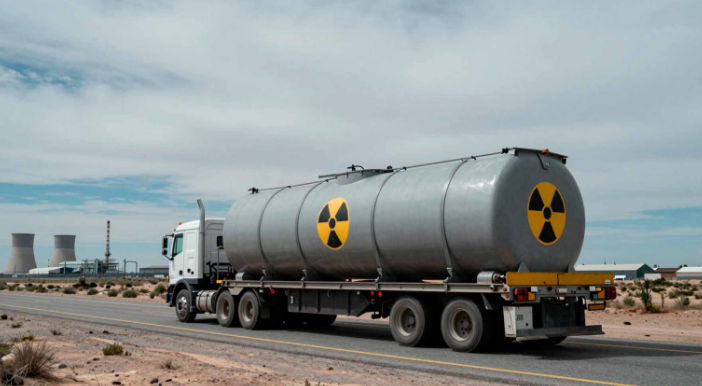
U.S. Nuclear Regulatory Commission (NRC) Proposed Rule to Update Radioactive Material Transport Regulations for New Reactor Technologies
The U.S. Nuclear Regulatory Commission (NRC) has issued a proposed rule aimed at updating regulations for the transport of radioactive material to accommodate the development of new reactor technologies. The existing regulatory framework has not fully kept pace with advances in nuclear technology, particularly as microreactors and other advanced reactor types present new challenges to current rules. Approximately three million packages containing radioactive material are transported across the United States each year, and this vast logistics operation has been managed by federal agencies for decades. The NRC's proposed rule addresses a specific issue: how to safely transport new types of nuclear reactors and their associated radioactive materials. Microreactors are compact, factory-manufactured...
2026-08-03
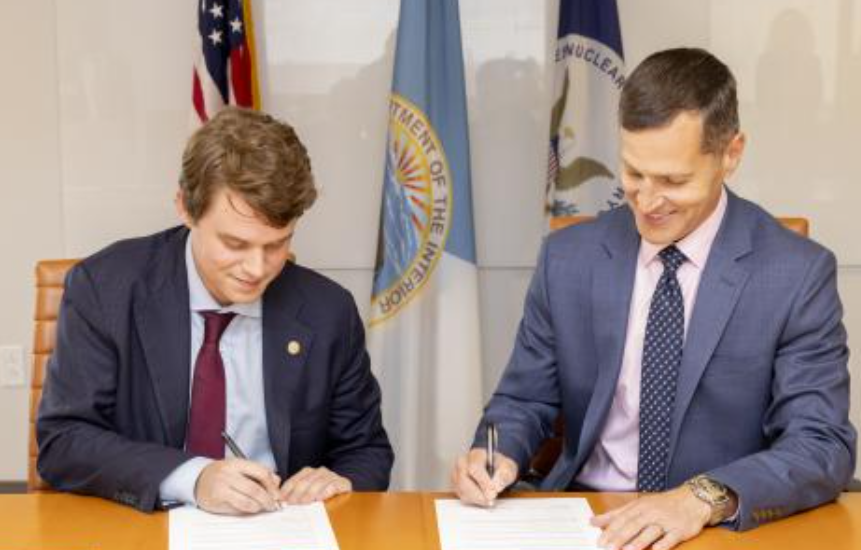
U.S. Nuclear Regulatory Commission Signs Memorandums of Understanding with Coast Guard and Marine Minerals Administration to Strengthen Offshore Nuclear Energy Cooperation
Recently, the U.S. Nuclear Regulatory Commission (NRC) signed Memorandums of Understanding (MOUs) with the U.S. Coast Guard (USCG) and the newly established Marine Minerals Administration (MMA), respectively, aimed at strengthening coordination and cooperation on civilian offshore nuclear projects. These initiatives come at a time of growing interest in nuclear technology within the commercial shipping sector, including projects such as nuclear-powered vessels and floating nuclear power plants. The agreement with the Coast Guard updates a previous agreement signed with the Atomic Energy Commission in 1973, aiming to modernize regulatory processes and ensure effective management of the design, construction, operation, and oversight of civilian nuclear reactors at sea. Meanwhile, the NRC's cooperation with the MMA focuses on clarifying jurisdictional issues for any potential nuclear projects on the U.S. Outer Continental Shelf (OCS).
2026-08-03