
U.S. NRC Proposes Radiation Protection Rule Changes, Removal of ALARA Requirements Sparks Safety Controversy
 Scan to share
The U.S. Nuclear Regulatory Commission (NRC) plans to hold an online public meeting on August 10 to discuss its proposed rule titled “Reforming and Modernizing the NRC's Radiation Protection Framework.” The proposal, published on July 15, centers on reexamining the use of the linear no-threshold model in assessing radiation health effects, as well as the “as low as reasonably achievable” principle—the ALARA principle—derived from that model.
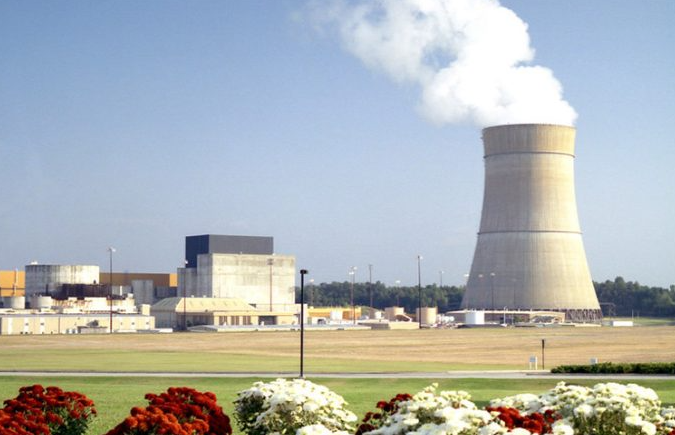
Under the proposal, the NRC intends to remove ALARA-related requirements from its regulations and instead adopt a graded dose management framework. This framework would be based on explicit radiation protection thresholds, dose management methods, and acceptable dose measurement approaches. The regulator stated that this move is not about changing exposure standards for workers and the public, but rather reducing ambiguity in regulatory language to make the requirements clearer.
The proposed rule would also introduce a “planned occupational dose limit extension” mechanism, allowing specific personnel to exceed certain annual occupational dose limits provided that corresponding measures are taken and total doses remain below multi-year limits. Additionally, the proposal includes setting reporting thresholds for occupational dose monitoring results, replacing certain unplanned overexposure reporting criteria with five-year dose assessments, permitting public dose limits or accessible dose rates to be treated differently on a case-by-case basis, and supporting the use of modern dose modeling and calculation methods.
These adjustments stem from Executive Order 14300 signed by U.S. President Donald Trump in May 2025. NRC Chairman Ho Nieh stated in an Associated Press report that the reform aims to eliminate uncertainty and that exposure standards for workers and the public remain unchanged. However, the Union of Concerned Scientists criticized that eliminating the ALARA framework would weaken radiation protection, exposing industry workers and communities to higher risks.
The core of the controversy lies in whether regulatory simplification will erode the prudent protection standards established over decades. Opponents argue that ALARA is a vital component of U.S. radiation safety practice, and that eliminating the principle could allow companies in industries such as nuclear energy, weapons production, and nuclear waste cleanup to cut costs by reducing shielding or other protective investments, thereby increasing personnel exposure risks. This public meeting is expected to serve as a critical juncture for stakeholders to clash over the direction of nuclear safety regulation.
Disclaimer: Information republished from partner media, institutions or other websites is provided for reference and communication purposes only. It does not imply endorsement of its views or verification of its accuracy. Please contact us if any content infringes rights or requires correction.