
Search Results
Keyword:RI
Zaporizhzhia Nuclear Power Plant Restores External Power Supply
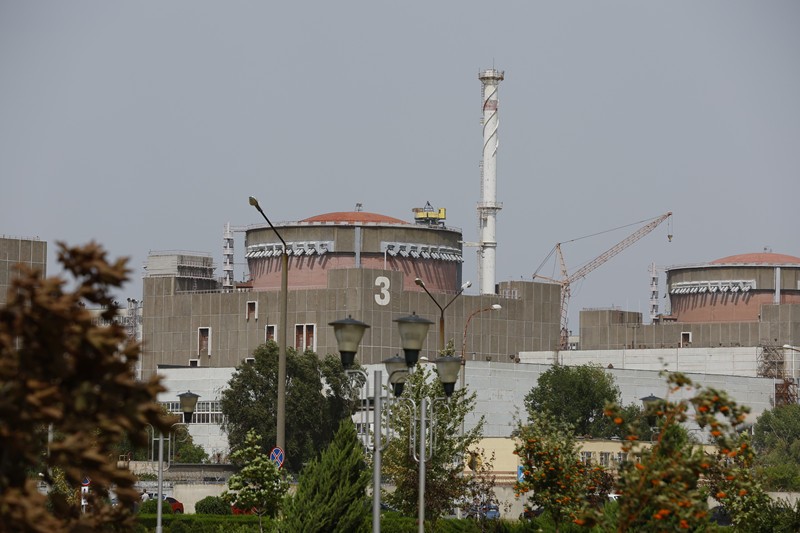
The Zaporizhzhia Nuclear Power Plant (ZNPP) has resumed receiving external electricity via the 330 kV Ferrospravnaya-1 transmission line. Previously, since August 20, the plant had relied on backup diesel generators to maintain essential on-site power for a duration of 19 days. Alexey Likhachev, Director General of Rosatom, stated that the plant has switched from diesel generator power to external power supply and is currently operating normally. The Zaporizhzhia NPP reported that following the restoration of the Ferrospravnaya-1 line, the backup diesel generators have been placed on standby. Rafael...
2026-09-08
Restart of Unit 3 at Japan's Tomari Nuclear Power Plant May Be Delayed to After End of 2027
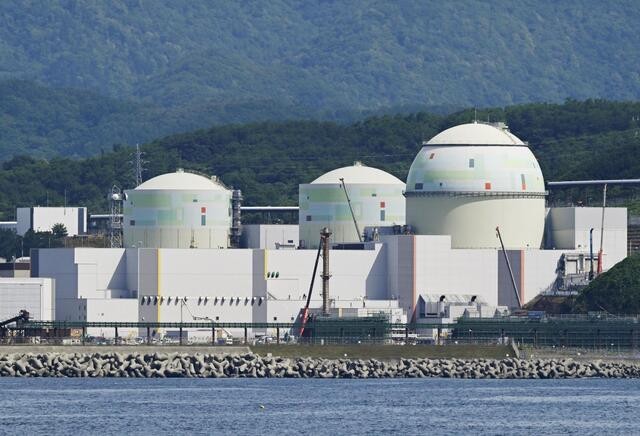
The restart of Unit 3 at the Tomari Nuclear Power Plant, operated by Hokkaido Electric Power in Tomari Village, Hokkaido, Japan, may be delayed to after the end of 2027. The company currently maintains its stated target of a restart in early 2027, but has not yet provided a specific date. Key factors affecting the restart schedule include delays in the construction of the tsunami protection embankment, a fatal accident during construction that occurred during the review process by the Nuclear Regulation Authority (NRA) of Japan, and certain technical matters that remain under confirmation and consultation. Hokkaido Electric Power has stated that the embankment is expected to be completed by mid-August 2027. The project was originally scheduled for completion around March 2027, but has been extended due to blizzard conditions and additional...
2026-09-08

UK's First TerraPower Natrium Reactor Could Generate Power by 2034
TerraPower, the US nuclear power company backed by Bill Gates, expects its Natrium sodium-cooled reactor could generate electricity in the UK as early as 2034. If the project progresses smoothly, the UK will become the company's first market for deploying this technology outside the United States. TerraPower CEO Chris Levesque said that given the company's first Natrium reactor project is scheduled for completion in 2031, the Natrium technology is highly likely to become a reality in the UK by 2034. The technology has already met relevant US regulatory requirements, and the first unit is under construction in Wyoming. In recent years, the UK has accelerated the development of small modular re...
2026-09-08
Russian nuclear power plants generated 149.1 billion kWh of electricity in 2026 as of September 7
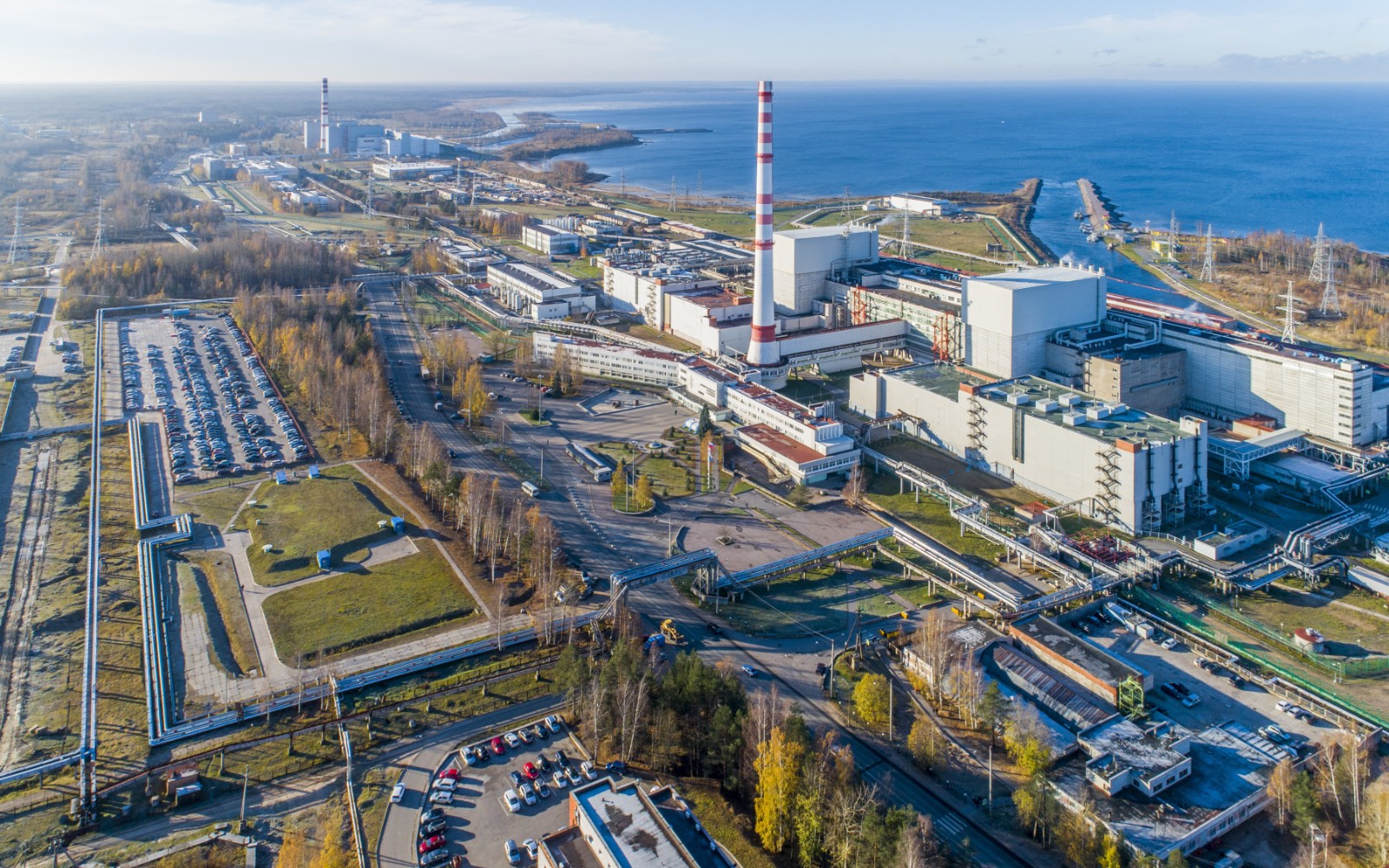
Rosenergoatom, a subsidiary of Russia's State Atomic Energy Corporation (Rosatom), recently stated that as of September 7, Russian nuclear power plants had generated a cumulative total of 149.1 billion kWh of electricity in 2026. This output exceeds the target set for the same period by the Federal Antimonopoly Service (FAS) by 6.73%. Data previously released by the Federal State Statistics Service (Rosstat) shows that from January to July this year, electricity generation at Russian nuclear power plants increased by 2.2% year-on-year, reaching 126 billion kWh. In 2025, Russian nuclear power plants generated a total of 218.35 billion kWh for the full year. Alexey Likhachev, Director General of Rosatom, stated that the company plans to exceed the government's electricity generation target for the full year of 2026. The target is no less than 214 billion kWh.
2026-09-08

Russia Says IAEA to Rotate Inspectors at Zaporizhzhia Nuclear Power Plant in About a Week
Alexey Likhachev, CEO of Rosatom, said on September 7 that the International Atomic Energy Agency (IAEA) mission at the Zaporizhzhia Nuclear Power Plant is about to undergo a new round of personnel rotation. Likhachev stated that the 35th group of IAEA inspectors is expected to arrive at the Zaporizhzhia Nuclear Power Plant in about a week. He noted that, as with previous rotation arrangements, the operation will be conducted within the territory of the Russian Federation to ensure safety. The Zaporizhzhia Nuclear Power Plant is one of Europe's largest nuclear power facilities by installed capacity. The IAEA maintains a continuous on-site presence at the plant and conducts relevant nuclear safety and security observation activities through regular rotation of inspectors.
2026-09-08

Huaneng Hainan Changjiang Nuclear Power Unit 4 Completes Cold Functional Test
At 12:50 on September 6, the cold functional test of Unit 4 at Huaneng Hainan Changjiang Nuclear Power was successfully completed, marking the unit's official full entry into the commissioning phase and laying the foundation for subsequent high-quality power generation and grid connection. This project is the first large-scale pressurized water reactor nuclear power project constructed under majority ownership by China Huaneng Group Co., Ltd., and also the first Hualong One nuclear power project in Hainan Province. The cold functional test, also known as the cold hydrostatic test of the primary circuit in a nuclear power plant, is an important milestone in nuclear power engineering construction. It is primarily used to comprehensively verify the integrity and leak-tightness of pressure boundaries, including primary circuit pipeline welds, equipment, and high-pressure sections of connected systems, ensuring the safety and stability of the primary circuit during subsequent operation...
2026-09-08
ORNL Neutron Imaging Technology Reveals Healed Rib Fracture in Tyrannosaurus Rex Fossil
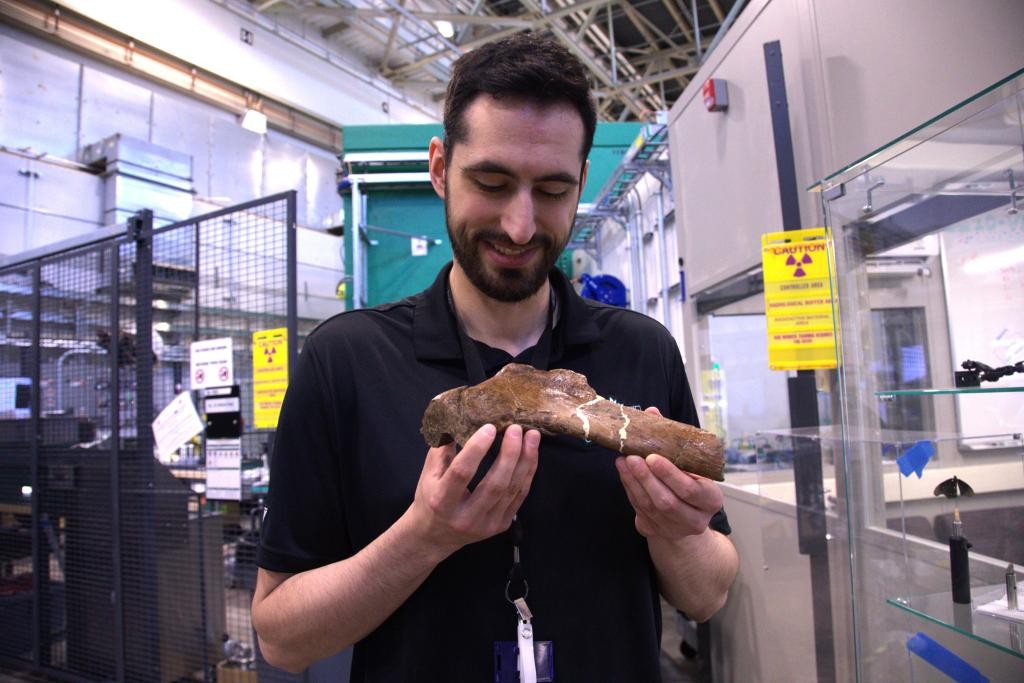
Neutron imaging technology at the U.S. Department of Energy's Oak Ridge National Laboratory (ORNL) has helped researchers from the University of Regina in Canada and other institutions observe rare healing signs inside the fossilized bones of a Tyrannosaurus rex, providing new insights into ancient life from approximately 66 million years ago. The subject of this study is a fractured rib from "Scotty," the largest Tyrannosaurus rex skeleton ever discovered. Researchers found that this rib preserved a wound-healing process rarely seen in the fossil record: after the fracture occurred, iron-rich blood entered the injured area and formed a network of blood vessels to promote healing; however, before the rib had fully healed, Scotty died and was preserved in a salt marsh environment, which slowed the decomposition of the remains...
2026-09-07
Russia's EVRAZ Plans to Develop High-Performance Railway Rails Using SKIF Synchrotron Radiation Platform
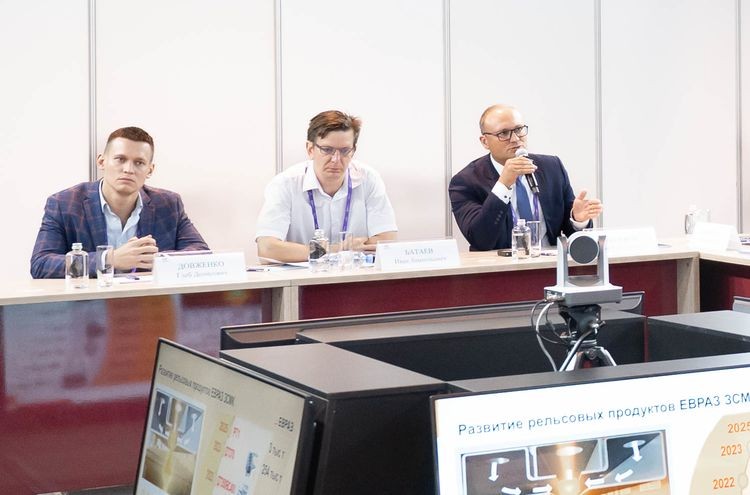
Russian railway infrastructure component manufacturer EVRAZ PJSC plans to cooperate with the SKIF Collective Use Center to develop new alloys and high-performance rails using synchrotron radiation experimental capabilities, aiming to improve the mechanical properties and operational reliability of rails. At a roundtable discussion on "Development of New Structural and Tool Materials and Mechanical Engineering Technologies Using Synchrotron Radiation" held during the Technoprom 2026 forum, participating experts discussed the application prospects of the SKIF Collective Use Center in the development of high-quality rolled metal products. EVRAZ stated that Russia's railway operating environment is complex, with long line distances, numerous mountain routes, prominent low-temperature conditions, coupled with growing freight volumes, placing higher demands on steel materials...
2026-09-07
"Wukong" Detects "Super-Iron" Elements in Cosmic Rays, Achieving First High-Precision Cosmic Ray Nickel Energy Spectrum in the TeV Range
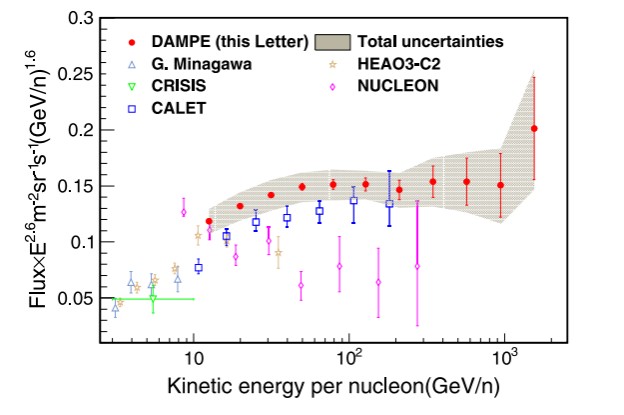
Recently, the DAMPE scientific team led by Academician Chang Jin of the University of Science and Technology of China made significant progress in direct observations of high-energy cosmic rays. Based on DAMPE on-orbit observation data, the scientific team obtained the differential flux spectrum of nickel nuclei from 10 GeV/n to 2 TeV/n. The results were published in the international academic journal *Physical Review Letters* under the title "Measurement of the Cosmic Ray Nickel Energy Spectrum from 10 GeV/n to 2 TeV/n with the DAMPE Space Mission." The origin of super-iron elements in cosmic rays has long been a challenge for the scientific community. It is generally believed that cosmic ray elements are primarily produced in nuclear fusion processes within stars, but since iron nuclei have the highest binding energy per nucleon, stellar fusion reactions typically struggle to proceed beyond elements near iron. Heavier elements than iron are generally attributed to different nucleosynthesis processes such as neutron capture. Because the abundance of super-iron elements is typically at least an order of magnitude lower than that of iron, measurements of super-iron elements in cosmic rays remain extremely scarce. Most experiments have only provided relative abundances of different elements; a few experiments have measured the differential flux spectrum of cosmic ray nickel, but with energy upper limits of only a few hundred GeV/n.
2026-09-07
XENONnT Observes First Low-Energy Solar Neutrino-Electron Scattering Signals
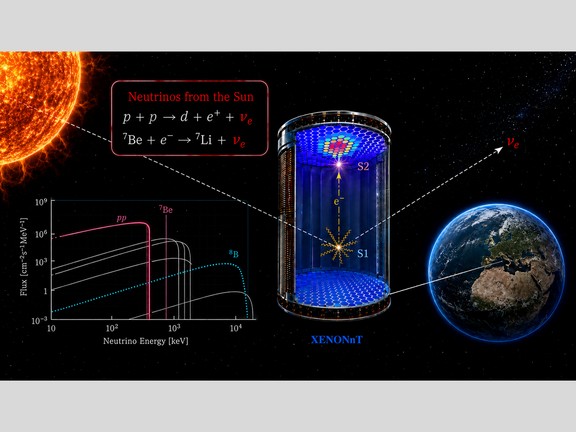
Scientists of the XENON collaboration recently announced the first observation of low-energy solar neutrino scattering off electrons in the XENONnT particle detector. The results were presented at a workshop held on August 31, 2026, at the Gran Sasso National Laboratory of the Italian National Institute for Nuclear Physics. The team of Prof. Teresa Marrodán Undagoitia and Dr. Hardy Simgen from the Max Planck Institute for Nuclear Physics played a key role in the experiment. Nuclear fusion in the Sun continuously produces vast numbers of neutrinos, with hundreds of billions passing through every square centimeter of Earth each second. Because neutrinos interact with matter extremely weakly, detecting these particles...
2026-09-07
No Evidence of Mirror Neutrons Found in Swiss PSI Ultracold Neutron Experiment
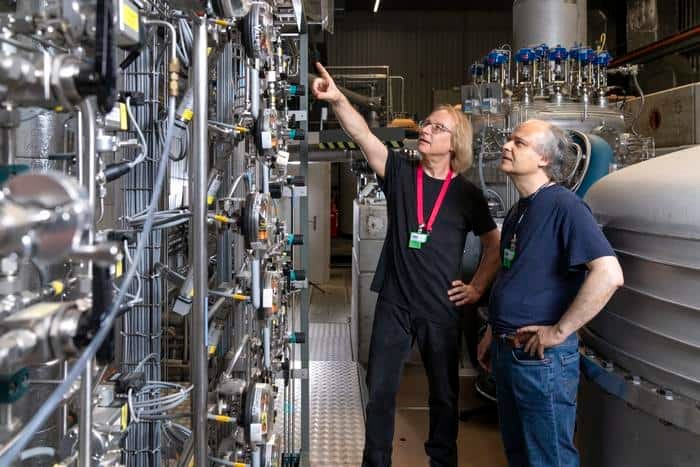
The Ultracold Neutron Physics Group at the Paul Scherrer Institute (PSI) in Switzerland recently stated that its research team found no evidence of spontaneous transformation of ordinary neutrons into mirror neutrons in a high-precision experiment. The researchers said the result essentially rules out the main parameter space previously suggested for anomalous neutron-mirror neutron oscillation signals, and also weakens the possibility that mirror neutrons could be a component of dark matter. Bernhard Lauss (left) and Géza Zsigmond examined approximately 2.5 billion neutrons at the ultracold neutron source at the Paul Scherrer Institute (PSI). They essentially ruled out the hypothesis of spontaneous transformation of neutrons into mirror neutrons. (Image courtesy of Paul Scherrer Institute PSI/Ma...
2026-09-07

Malaysia Expands Nuclear Radiation Mutation Breeding Applications to Bolster Food Security and Industrial Inspection
Malaysia's nuclear technology applications are extending from traditional fields such as medicine and industry further into agricultural production and food security. Dr. Sukri, Senior Director of Project Management at the Malaysian Nuclear Agency, stated that through research and development using nuclear radiation mutation breeding technology, the agency has shortened the maturation period of cassava from the original 10 to 12 months down to 6 months. Sukri noted that this technological application helps reduce farmers' production costs, improve land use efficiency, and cultivate larger cassava varieties. In addition to cassava, the Malaysian Nuclear Agency, in collaboration with the Ministry of Agriculture and Food Security and the Department of Agriculture, has successfully developed two new rice varieties, NMR 151 and NMR 152. These new varieties feature higher yields and demonstrate strong resistance to diseases, extreme weather conditions such as prolonged drought, and flooding.
2026-09-07
Malaysia Evaluates Inclusion of Nuclear Power in Long-Term Energy Mix
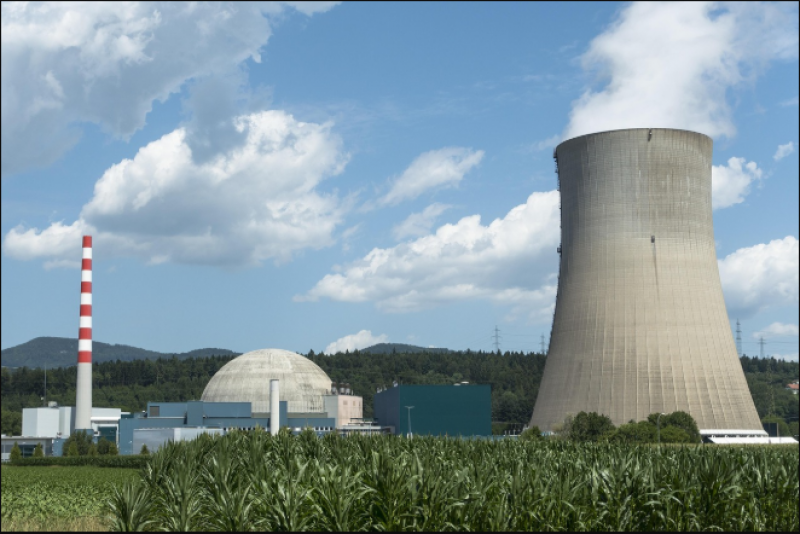
Malaysia is steadily paving the way for the future introduction of nuclear energy into its energy mix. Although such plans are unlikely to materialize in the short term, policy assessments, regulatory preparations, talent development, and business model discussions surrounding civilian nuclear energy have noticeably accelerated. The International Atomic Energy Agency (IAEA) recently held a national workshop in Malaysia to introduce a human resource development model for the nuclear sector, aimed at helping the country forecast future staffing needs and support workforce planning required for nuclear technology applications. In March this year, Malaysian Deputy Prime Minister and Minister of Energy Transition and Water Transformation Fadillah Yusof stated that Malaysia has conducted a comprehensive assessment of a potential nuclear energy program, covering policy formulation, regulatory...
2026-09-07
Russia masters production technology of ultra-pure germanium for gamma detectors
The Giredmet Research Institute, part of Rosatom, recently announced that its researchers have developed technology for producing high-purity germanium (HPGe) for gamma-ray detectors. This breakthrough is expected to replace imported crystals and promote the formation of a complete production cycle for detector equipment within Russia. According to reports, experts at Giredmet have designed and manufactured experimental equipment, and based on this, developed a process for preparing ultra-high-purity germanium single crystals. The purity of the germanium material reaches at least 7N, i.e., 99.99999%, equivalent to only one impurity atom per 10 million atoms of the primary material. The institute stated that the first batch of experimental samples has been obtained, verifying the effectiveness of the adopted deep germanium purification method in achieving the purity level required for detector applications.
2026-09-07
Russian Researchers Propose New Method for Preparing Iron-59 Magnetite Nanoparticles, Potentially Advancing Nuclear Medicine Diagnostics and Therapy
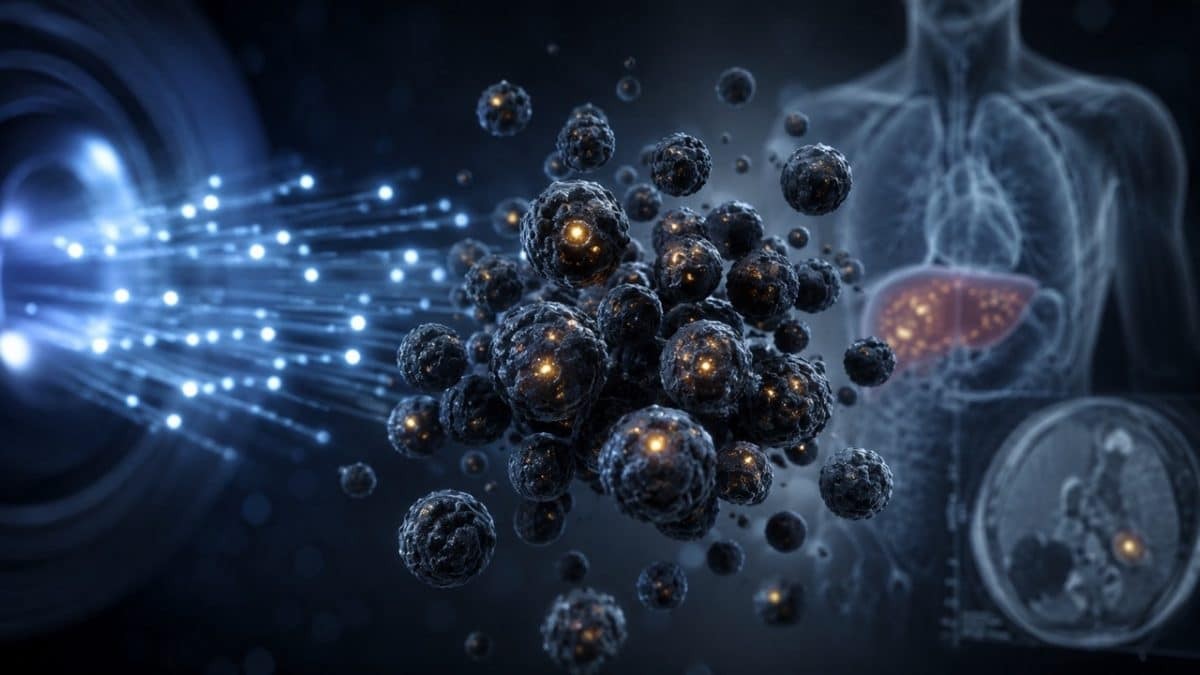
Russian researchers have developed a new method for preparing iron-59-labeled magnetite nanoparticles, which is expected to provide a new material preparation pathway for medical applications such as magnetic resonance imaging, single-photon emission computed tomography, and radionuclide therapy. According to reports, researchers from the Vernadsky Institute of Geochemistry and Analytical Chemistry and the Karpov Institute of Physical Chemistry, both under the Russian Academy of Sciences, have proposed synthesizing iron-59 magnetite nanoparticles using the sol-gel method. The relevant findings have been published in the journal Applied Radiation and Isotopes. The sol-gel method is a chemical approach for preparing nanomaterials, with the core process involving the conversion of a liquid colloidal solution into a gel-like network...
2026-09-07