
Search Results
Keyword:RI
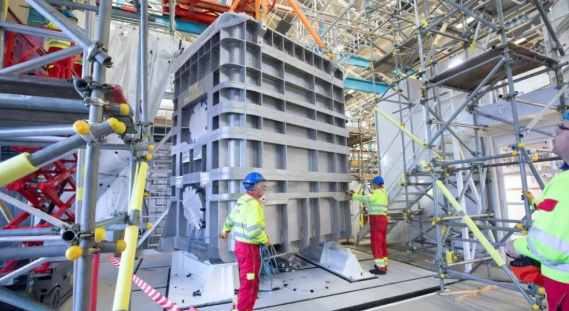
UK fusion device completes key lift of twelve-tonne dual-beam box
Recently, the UK's MAST Upgrade spherical tokamak device completed a key engineering operation: the lifting and positioning of a 12-tonne dual-beam box, creating conditions for the installation of new neutral beam heating equipment. The device is located at the Culham campus and operated by the UK Atomic Energy Authority (UKAEA). It is expanding its experimental capabilities through a heating system upgrade to support the physics and engineering research required for future fusion power plants. The dual-beam box features a two-tier layout and is designed to house two new neutral beam injectors. The equipment transfers energy by injecting high-energy neutral atoms into the plasma. After the upgrade is completed, the device's neutral beam heating power is expected to increase from 4.4 MW to 8.8 MW, and the plasma...
2026-11-07
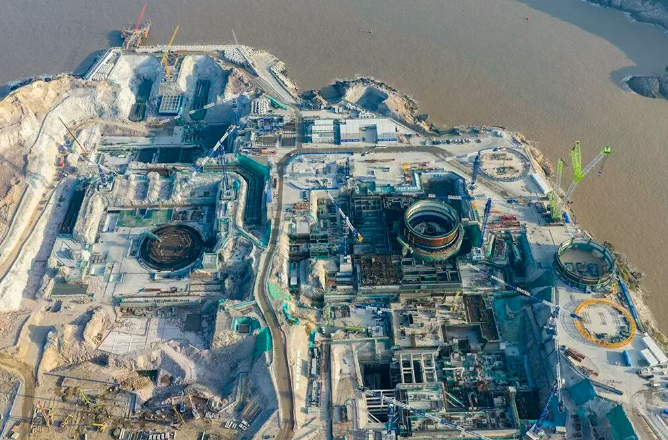
CNNC Mechanical Engineering Wins Bid for Jinqimen Nuclear Power Phase II Hoisting
Recently, CNNC Mechanical Engineering Co., Ltd. officially announced that it had successfully won the bid for the heavy-lift hoisting engineering project of Zhejiang Jinqimen Nuclear Power Phase II (Units 3 and 4). As another core project undertaken by the company at Jinqimen Nuclear Power following the heavy-lift hoisting engineering for Units 1 and 2, this project is the first approved nuclear power project in Zhejiang Province during the 15th Five-Year Plan period. Once fully completed, it will provide strong support for energy and electricity supply security and green, low-carbon transformation in Zhejiang Province and the Yangtze River Delta region. Zhejiang Jinqimen Nuclear Power Phase II fully adopts the Hualong One Version 2.0 pressurized water reactor nuclear power units and is among the first batch of demonstration projects for this advanced reactor type. With the continuous iterative upgrading of nuclear power technology, hoisting modules...
2026-11-07

Kazakhstan Discusses a Century of Uranium Security: Why Build Fuel Reserves When Mineral Resources Are Abundant
Coal can be fed directly into a power plant for combustion, but natural uranium cannot be loaded directly into most commercial reactors. It must undergo processing, conversion, enrichment, and fuel fabrication, and meet the requirements of specific reactor types. For nuclear power plants, abundant resources are only the starting point for supply security; what truly needs to be obtained on schedule is fuel that has been qualified and can be loaded into the core. On November 3, the Office of the President of Kazakhstan announced that the national leadership had received a report from Kazatomprom on work including the strategic uranium reserve. One day earlier, a relevant official of the energy regulatory authority proposed a strategic concept of retaining at least 150,000 tonnes of uranium resources by 2050. The relevant mechanism is still under study, and it cannot be...
2026-11-07
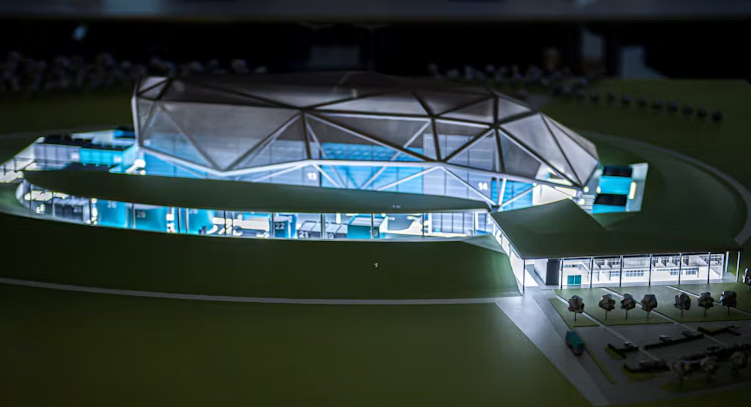
Think tank calls for European countries to form alliance to advance SMR deployment
Recently, the renowned think tank Clean Air Task Force (CATF) released a series of dedicated policy reports, noting that although Europe has improved its collaborative development of Small Modular Reactors (SMRs) compared with last year, governments are still significantly lagging behind technology developers in actual deployment actions, and there is an urgent need to form an alliance to pursue a deployment model based on unit clusters. Marina Qvist, head of CATF's advanced nuclear program, pointed out that current industry leadership is mainly in the hands of technology developers, who have determined through precise calculations that the commercial success of SMRs...
2026-11-07

Manufacturing of Core Components for Egypt's El Dabaa Unit 1 Completed
Recently, all key reactor components for Unit 1 of the El Dabaa Nuclear Power Plant in Egypt have been successfully manufactured in St. Petersburg, Russia, marking a major milestone in the construction of the country's first nuclear power plant. As the general contractor for the project, Rosatom has completed the production of the reactor internals and the VVER-1200 reactor head for the unit at its Izhora manufacturing facility in St. Petersburg. The reactor internals and head, which are about to be shipped to Egypt, have a combined weight of approximately 340 tonnes. Including the reactor pressure vessel that has already been delivered and assembled, the total weight will exceed...
2026-11-07
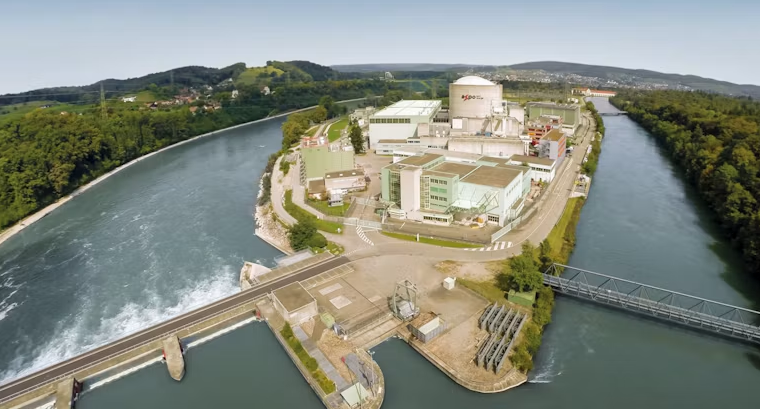
Swiss Study Assesses Role of New Nuclear Power in Winter Supply Security
A recently highlighted Swiss energy system study evaluates new nuclear power as an option for long-term electricity supply and low-carbon transition. The study, commissioned by the Swiss Foundation for Technology Assessment (TA-SWISS), shows that under conditions such as timely commissioning, affordable costs and secured financing, new nuclear power plants can increase domestic low-carbon electricity supply, reduce import dependence, and complement renewable energy, grid and storage development. The study sets out three scenarios—open market, self-sufficiency and continuation of existing trends—to compare the impact of nuclear power on the energy system under different development pathways. In the open market scenario, without building new nuclear power plants, net electricity imports in the winter half-year in the longer term would be...
2026-11-06
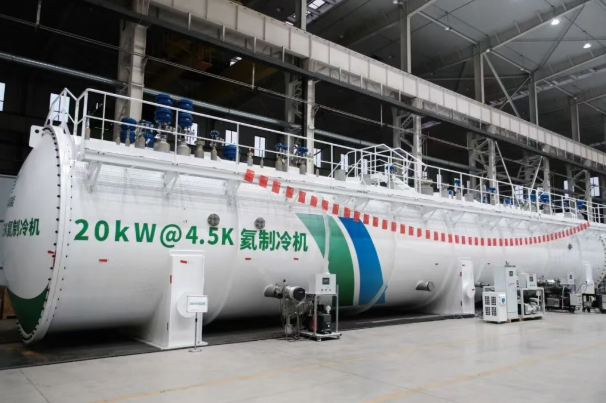
China Develops the Fusion "Cryogenic Heart": How a 20 kW Helium Refrigerator Strengthens China's Initiative in Building Large-Scale Facilities
In a superconducting tokamak, high temperature and deep cryogenic conditions must coexist. Inside the toroidal vacuum vessel, the plasma needs to be heated to extremely high temperatures; outside the vacuum vessel, the superconducting magnets responsible for magnetic confinement must be kept in an environment close to absolute zero. Supporting this coexistence of two temperature regimes is a complex engineering system comprising thermal insulation, shielding, magnets, and cryogenic systems. Among these, the large helium refrigerator continuously supplies cooling capacity to the cryogenic system and is an indispensable cryogenic heart of the facility. On November 5, 2026, the 20 kW, 4.5 Kelvin ultra-large helium refrigerator jointly developed by Henan Zhongke Qingneng Technology Co., Ltd. and the Institute of Plasma Physics, Chinese Academy of Sciences, held a development summary meeting in Hefei...
2026-11-06
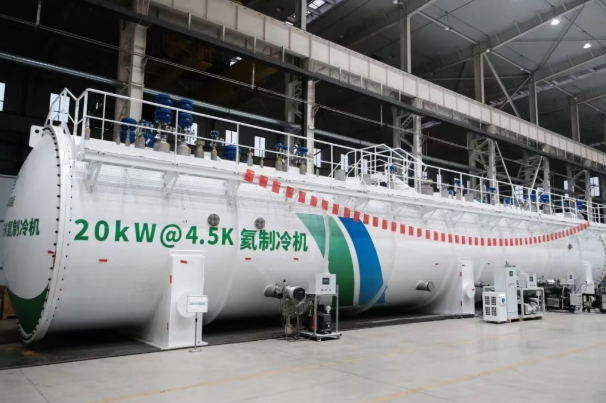
Zhongke Qingneng Completes Development of China's First Ultra-Large Helium Refrigerator
Recently, Henan Zhongke Qingneng Technology Co., Ltd., in collaboration with the Institute of Plasma Physics of the Chinese Academy of Sciences, successfully held in Hefei the development summary meeting for the 20kW@4.5K ultra-large helium refrigerator, marking that this first domestically produced ultra-large equipment has officially passed expert panel review and is ready for rollout and delivery. Helium refrigerators are indispensable core cryogenic equipment for frontier large-scale scientific facilities such as magnetic confinement controlled nuclear fusion devices. For a long time, key core technologies such as 20kW ultra-large cooling capacity equipment in the 4.5K temperature range and high-power cryogenic turbo-expanders have been monopolized by a few leading international enterprises such as France's Air Liquide and Germany's Linde Group. This time, the joint R&D team successfully broke through a series of bottleneck technologies, including high-power deep cryogenic refrigeration processes, cold box integration, and independent development of key rotating components, achieving full localization of the complete unit and key parts, with the procurement cost per unit significantly lower than that of imported comparable products. The successful development of this equipment has enabled China to achieve a historic transformation from "following" to "running abreast" in the field of core equipment for fusion reactor cryogenic systems, providing an independently controllable "cryogenic heart" for strategic emerging industries prioritized in China's 15th Five-Year Plan, such as controlled nuclear fusion energy, large superconducting accelerators, large-scale quantum infrastructure, and deep space exploration. Project leader Lu Xiaofei pointed out that this is a major leap from quantitative accumulation to qualitative transformation in China's deep cryogenic systems engineering. Pan Weiwei, General Manager of Zhongke Qingneng, stated that since its establishment, the company has built a diversified product family covering all temperature ranges. In the future, the company will continue to increase R&D investment, accelerate the construction of a full-chain ecosystem covering R&D, manufacturing, and operations, fully serve national strategic emerging industries and future industries, and provide strong technical support for China to seize the competitive high ground in high-tech industries.
2026-11-06

North China Regional Office of the Ministry of Ecology and Environment Conducts Pre-Criticality Inspection of Shidao Bay High-Temperature Gas-Cooled Reactor
Recently, in order to effectively consolidate the primary responsibility of the operating unit, closely focus on the important milestone of criticality following the overhaul, and comprehensively drive the improvement of the safety level of the demonstration project, the North China Nuclear and Radiation Safety Supervision Station of the Ministry of Ecology and Environment (hereinafter referred to as the North China Supervision Station) organized and conducted the pre-criticality inspection of the reactor following the second overhaul of the High-Temperature Gas-Cooled Reactor Demonstration Project at the Huaneng Shidao Bay Nuclear Power Plant. As the world's first fourth-generation nuclear power plant independently developed by China with fully independent intellectual property rights, the high-temperature gas-cooled reactor holds milestone significance for China in achieving scientific and technological self-reliance and leading the world in nuclear energy technology. The North China Supervision Station deeply recognizes the major mission of supervising the world's first reactor of its kind, and has carried out coordinated planning and formulated...
2026-11-06

CNNC 23 and CNNC Uranium Hold Talks to Deepen Industrial Chain Synergy
Recently, Xing Yongguo, General Manager and Deputy Party Secretary of China Nuclear Uranium Co., Ltd., and his delegation visited China Nuclear Industry 23 Construction Co., Ltd. and held a working exchange with Qu Qiang, General Manager and Deputy Party Secretary of CNNC 23. The two sides focused their discussions on the construction of relevant projects and subsequent deep synergy. It is understood that CNNC Uranium, as the national team for natural uranium resource development in China, bears the core strategic mission of serving as the cornerstone of nuclear strength and the granary of nuclear power. The two sides have natural complementary advantages in fields such as natural uranium mine engineering construction and nuclear facility decommissioning and remediation. By further broadening the dimensions of cooperation and leveraging sophisticated nuclear engineering construction capabilities, they will powerfully advance the high-quality implementation of relevant major infrastructure...
2026-11-06
Recycled chloride salt fuel prepares to enter research reactor: Can spent fuel become a resource, and what data must be obtained first?
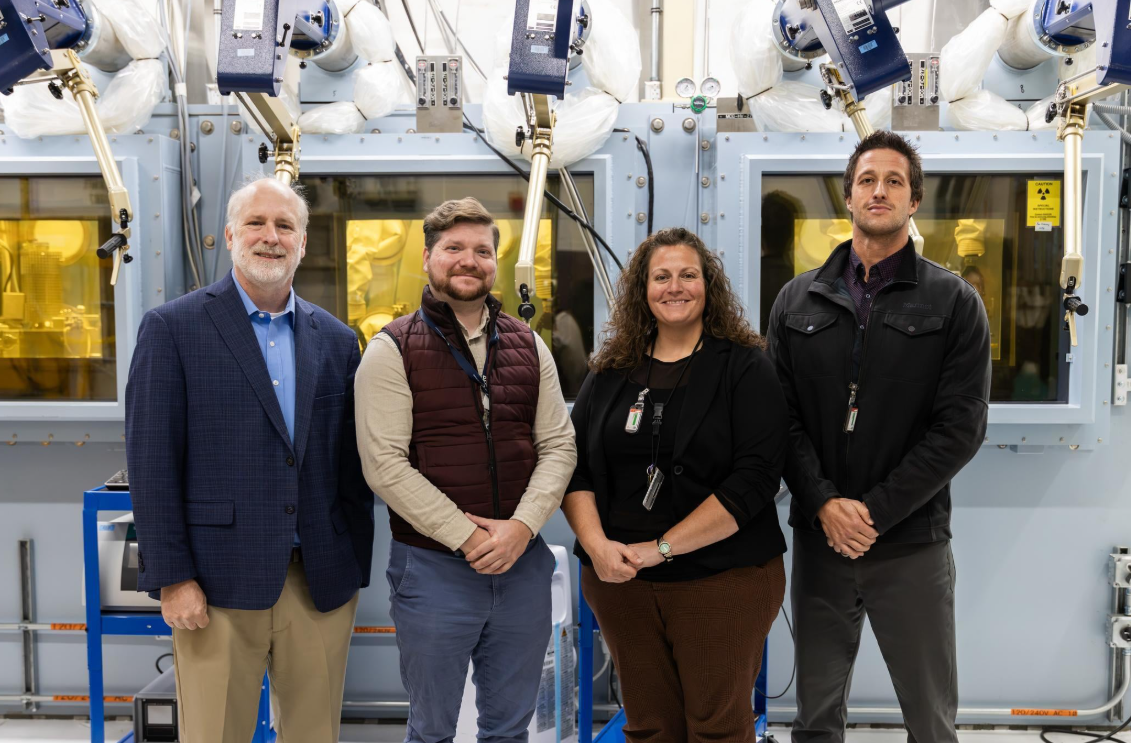
Turning nuclear material into another kind of fuel. Idaho National Laboratory (INL) announced on November 2 that it will lead the IMPACT project to fabricate and test chloride salt fuel containing recycled transuranic elements. The project has received $7 million in support from the U.S. Department of Energy's Advanced Research Projects Agency-Energy (ARPA-E) and plans to use nuclear materials already available at the laboratory to complete fabrication and property testing, and to conduct irradiation in the Advanced Test Reactor (ATR). This research advances the improvement of spent fuel utilization to a specific question: after recovered materials form new fuel, how exactly do they change in the reactor environment? Moltex participates in modeling and design-related work.
2026-11-05
UK Parliament Recommends Improving Fusion Planning Policy and Public Engagement Mechanisms
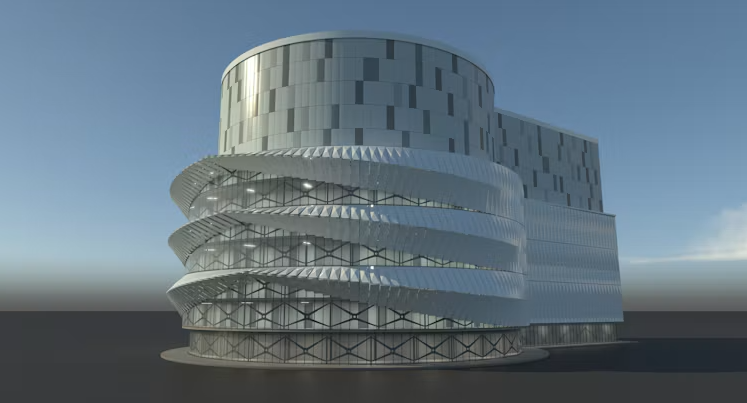
Recently, the House of Commons Energy Security and Net Zero Committee completed its scrutiny of the draft National Policy Statement for fusion energy EN-8, proposing recommendations including supplementary nuclear non-proliferation guidance, strengthened early public engagement, and clarified community benefit arrangements. The scrutiny focused on the institutional conditions required for fusion to develop from research devices to commercial facilities; the relevant opinions have been submitted for government response and do not yet constitute implemented new policy. Nuclear non-proliferation is a key area the Committee requires to be further improved. As fusion device scale expands, mechanisms for identifying and assessing facility-related risks also need to develop accordingly. The Committee recommends that the government provide guidance to developers preparing construction projects as soon as possible...
2026-11-05
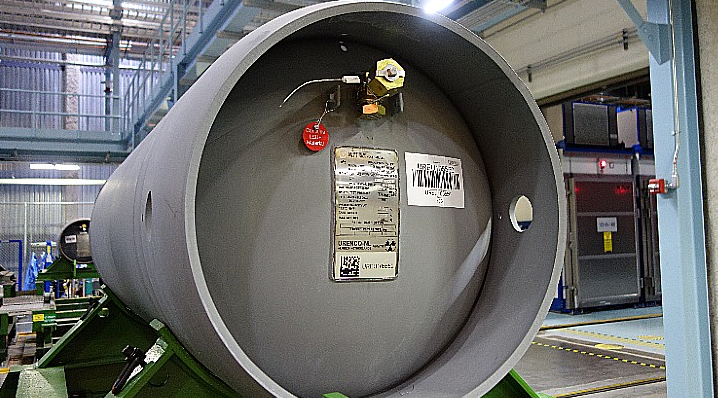
Urenco USA Completes Production of First Commercial Upgraded Low-Enriched Uranium Product Cylinder
Recently, Urenco USA completed the production of its first upgraded low-enriched uranium (LEU+) product cylinder at the National Enrichment Facility in New Mexico, advancing this fuel feedstock from production readiness to the commercial product supply stage. This development provides a new enriched uranium option for operating light water reactors and some advanced reactors, but completing the production of enriched product does not equate to fuel assemblies having been manufactured or loaded into a reactor. LEU+ is Urenco's product name for enriched uranium with uranium-235 assays of approximately 5% to 10%, higher than the typical enrichment levels of fuel commonly used in operating commercial nuclear power plants. Fuel made from this material is expected to support longer operating cycles and reduce refueling outages...
2026-11-05
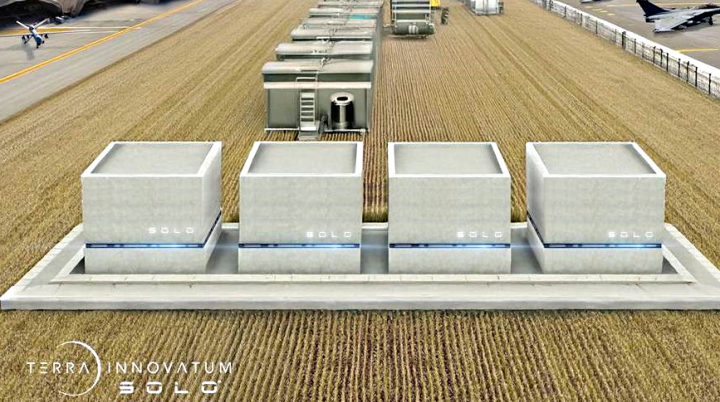
U.S. Microreactor Project Submits All Eighteen Chapters of Safety Analysis Materials
Recently, all 18 chapters of the preliminary safety analysis report for the SOLO micro modular reactor have been submitted to the U.S. Nuclear Regulatory Commission (NRC), entering the readiness review prior to formal application. Project developer Terra Innovatum had previously provided 14 of the chapters, and this submission of the remaining materials further completes the safety analysis documentation, advancing one step toward the subsequent formal submission of a construction permit application. The readiness review focuses on assessing the completeness and quality of the application materials, helping to identify content that needs to be supplemented or improved before formal submission. Throughout this process, the project team will continue technical exchanges with regulatory staff, addressing review comments and information requests, so that the react...
2026-11-05
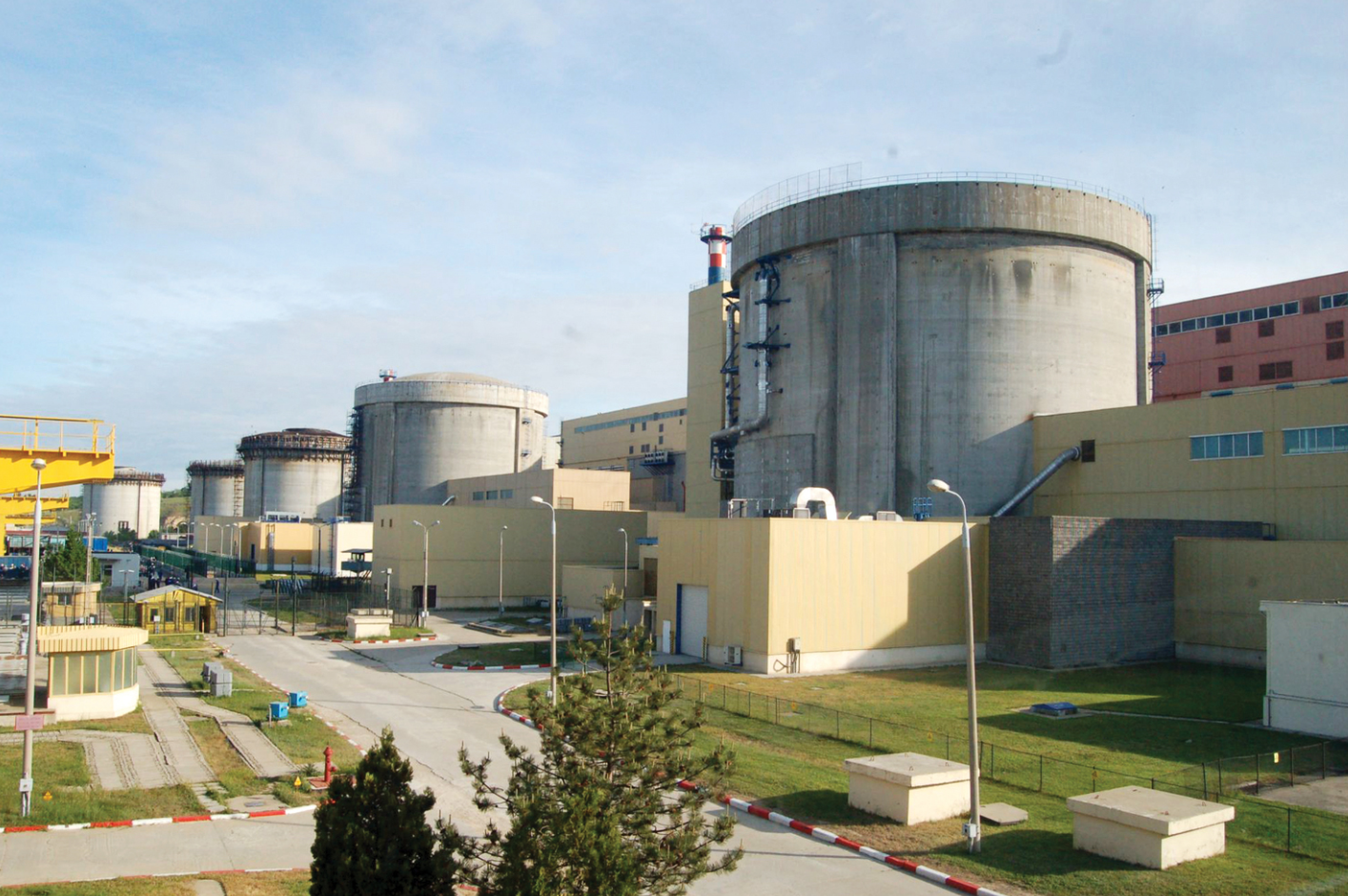
Startup and Grid Connection Procedure for Unit 1 of the Cernavodă Nuclear Power Plant in Romania
Recently, Nuclearelectrica announced that, after meeting the minimum necessary conditions, it has initiated the procedures for reconnecting Unit 1 of the Cernavodă Nuclear Power Plant to the national power grid. This action marks a new implementation phase in the unit's return to operation; actual restoration of power supply still requires the completion of corresponding operations and compliance with nuclear safety requirements. The reconnection of a nuclear power unit to the grid is a complex operation subject to strict regulation. During the outage, the plant's professional team continued to carry out necessary work to maintain the unit in a safe state. Upon entering the grid reconnection preparation phase, all operations must still comply with applicable procedures to ensure that the return-to-service process meets nuclear safety...
2026-11-05