
Search Results
Keyword:RI
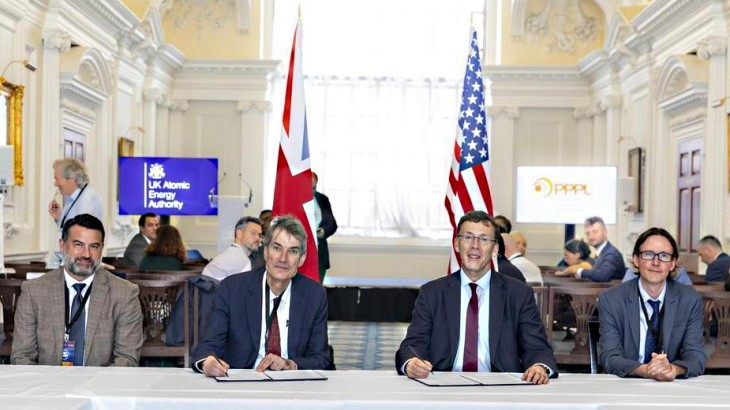
US and UK Join Forces to Accelerate Commercialization of Fusion Energy
At the Global Fusion Policy Summit held in London on Monday, the UK Atomic Energy Authority (UKAEA) and the Princeton Plasma Physics Laboratory (PPPL), which operates under the US Department of Energy, signed a joint statement of intent. The two sides plan to establish a partnership called the SUNRISE–STELLAR-AI Federation, integrating the UK's first supercomputer dedicated to fusion research, SUNRISE (funded by the UK government with £45 million), with PPPL's STELLAR-AI supercomputing platform (costing $13 million), to leverage artificial intelligence (AI) to accelerate fusion energy R&D. The collaboration builds on a memorandum of understanding signed by both parties in June this year and will utilize the UKAEA...
2026-09-16
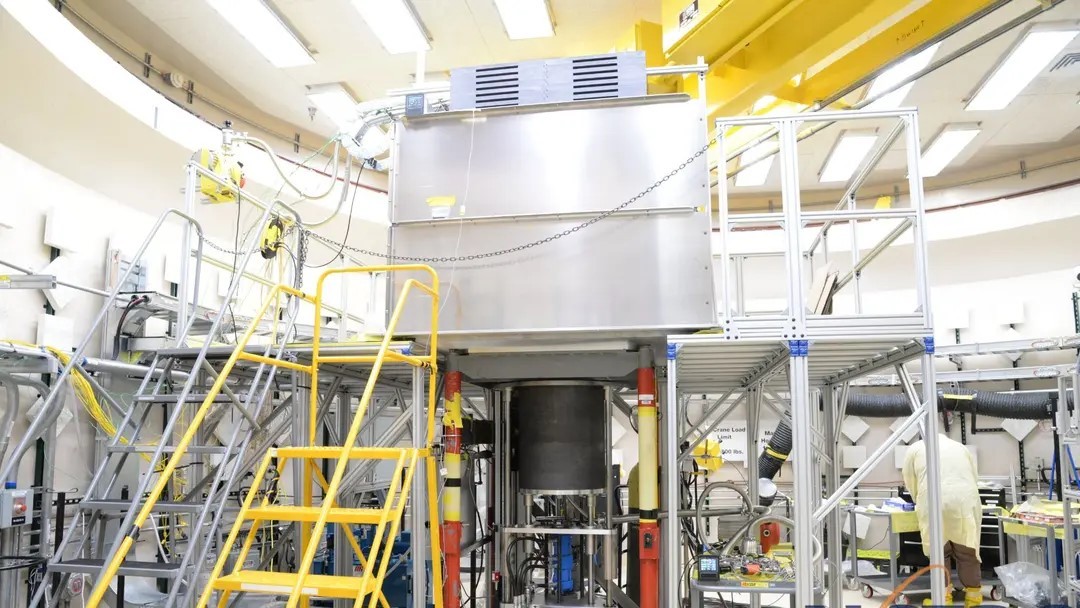
Westinghouse eVinci Microreactor Achieves Significant Breakthrough in Zero-Power High-Temperature Criticality Test
Westinghouse Electric Company recently announced that its eVinci microreactor achieved a significant breakthrough in a zero-power high-temperature criticality test, successfully achieving criticality at a temperature of 663 degrees Celsius, marking an important milestone in the project's development. This test is an important practice of the build-test-learn development model, providing key data for accelerating subsequent prototype design. The test was conducted at the U.S. Department of Energy National Nuclear Security Administration (NNSA)'s National Criticality Experiments Research Center (NCERC) in Nevada, with active cooperation and support from Los Alamos National Laboratory and the Nevada National Security Site (NNSS). The selection of the test site has sign...
2026-09-16
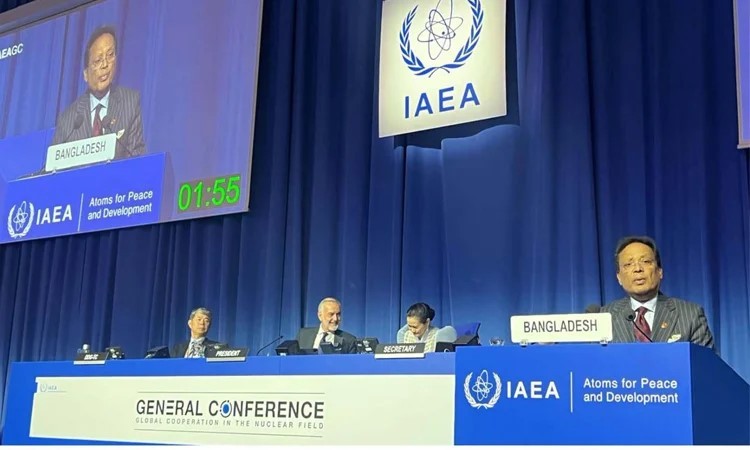
Bangladesh Reaffirms Commitment to Peaceful Uses of Nuclear Technology
Minister of Science and Technology Fakir Mahbub Anam recently attended the 70th General Conference of the International Atomic Energy Agency (IAEA) on behalf of Bangladesh, where he reaffirmed Bangladesh's firm commitment to the peaceful uses of nuclear technology and its dedication to the highest safety standards and strengthened international cooperation. This statement highlights Bangladesh's increasingly important position and sense of responsibility in the field of nuclear technology. In a statement by the delegation in Vienna, Bangladeshi Prime Minister Tarique Rahman expressed congratulations to the President of the IAEA General Conference, and also expressed gratitude to IAEA Director General Rafael Mariano Grossi for his outstanding role in promoting the peaceful uses of nuclear technology and international cooperation...
2026-09-16
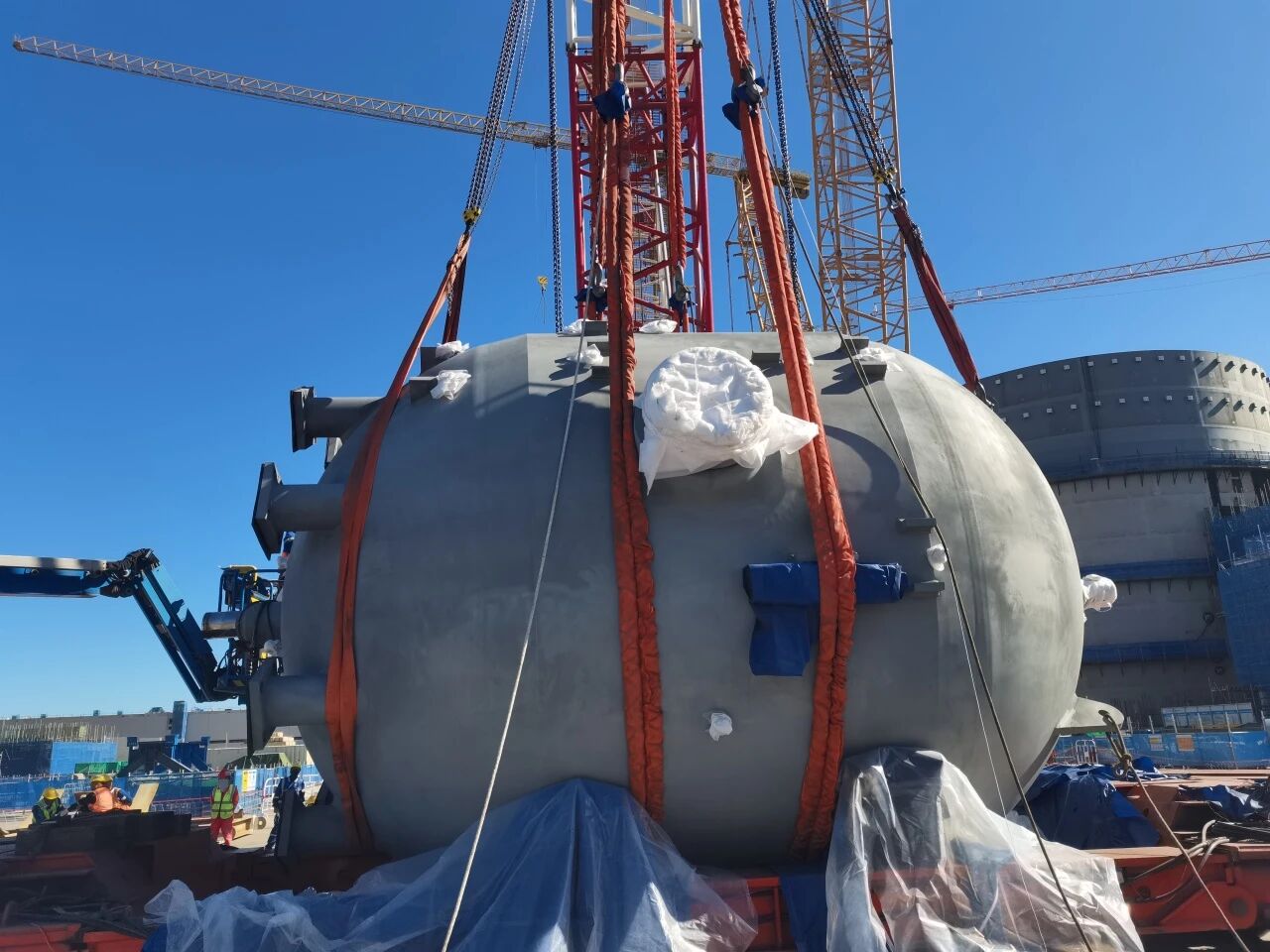
Core Makeup Tank for Xudabao Nuclear Power Plant Unit 2 Arrives at Project Site
On September 14, the core makeup tank for Xudabao Nuclear Power Plant Unit 2 arrived at the Xudabao Nuclear Power Project site. The core makeup tank is an important passive engineered safety feature of the reactor coolant system and a major large-scale equipment on the construction path of the reactor building. During the manufacturing of this equipment, Liaoning Nuclear Power cooperated with China Nuclear Power Engineering Co., Ltd. by stationing personnel at the factory for full-process coordination, implementing dynamic control of equipment quality and manufacturing progress through "daily tracking and weekly assessment," and ensuring the smooth completion and on-schedule delivery of the core makeup tank for Unit 2 to the project site through measures such as optimizing production processes and implementing continuous operations, thus creating favorable conditions for the orderly commencement of main construction of the reactor building. Subsequently, the Equipment Procurement Department of Liaoning Nuclear Power...
2026-09-16
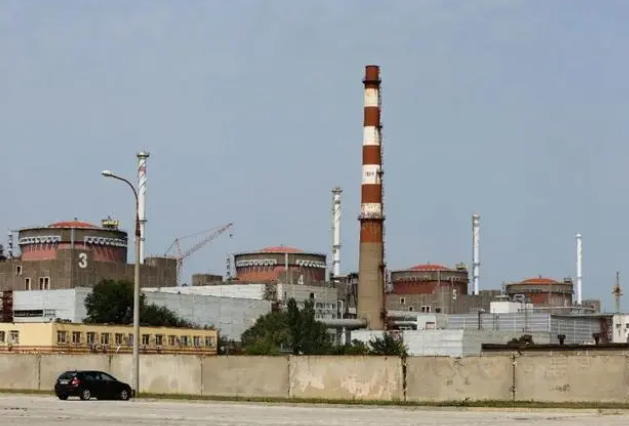
Germany to provide an additional 1 million euros to help address nuclear safety issues at the Zaporizhzhia NPP
Germany will provide an additional 1 million euros to help address nuclear safety issues at the Zaporizhzhia NPP. Recently, according to the German Federal Ministry for the Environment, the German government will provide an additional 1 million euros in aid to improve the safety level of Ukrainian nuclear power plants. Rita Schwarzelühr-Sutter, Parliamentary State Secretary at the German Federal Ministry for the Environment, is expected to formally announce this additional 1 million euros in funding on Tuesday at a meeting of the International Atomic Energy Agency (IAEA) in Vienna. Previously, Germany had cumulatively provided 7.3 million euros in financial support to the IAEA's nuclear safety and security work in Ukraine. Since...
2026-09-16
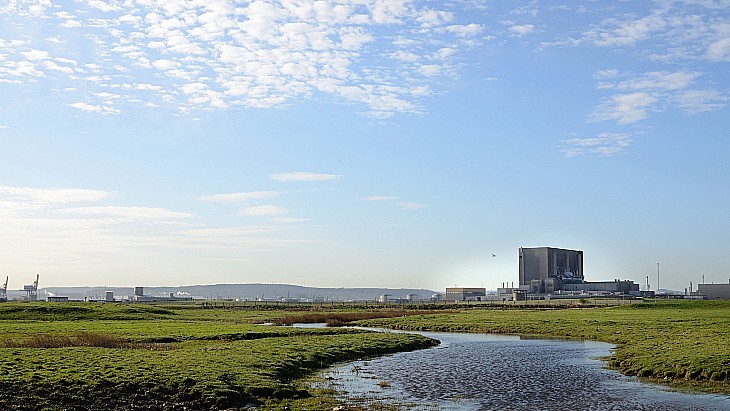
UK Regulator Initiates Design Assessment of Xe-100 Reactor
The UK regulator has formally initiated the assessment of the Xe-100 high-temperature gas-cooled reactor design proposed by X-energy, marking an important step for the UK in developing advanced nuclear technology. This decision follows the completion of a review by the UK Department for Energy Security and Net Zero of the application from X-energy UK Holdings Limited. In the same period last year, Centrica signed a joint development agreement with an X-energy subsidiary, planning to deploy Xe-100 reactors in the UK and selecting Hartlepool in northeast England as the preferred site, with the potential to build up to 6 million kilowatts of nuclear power plant capacity in the future. The Generic Design Assessment (GDA) is a comprehensive assessment conducted by the UK Office for Nuclear Regulation, the Environment Agency, and Natural Resources Wales of new reactor designs proposed for deployment in the UK, aimed at ensuring their safety, reliability, and environmental impact meet strict standards. This assessment is independent of site-specific construction applications, and only after passing all stages of assessment can the relevant permits and approvals be obtained.
2026-09-16
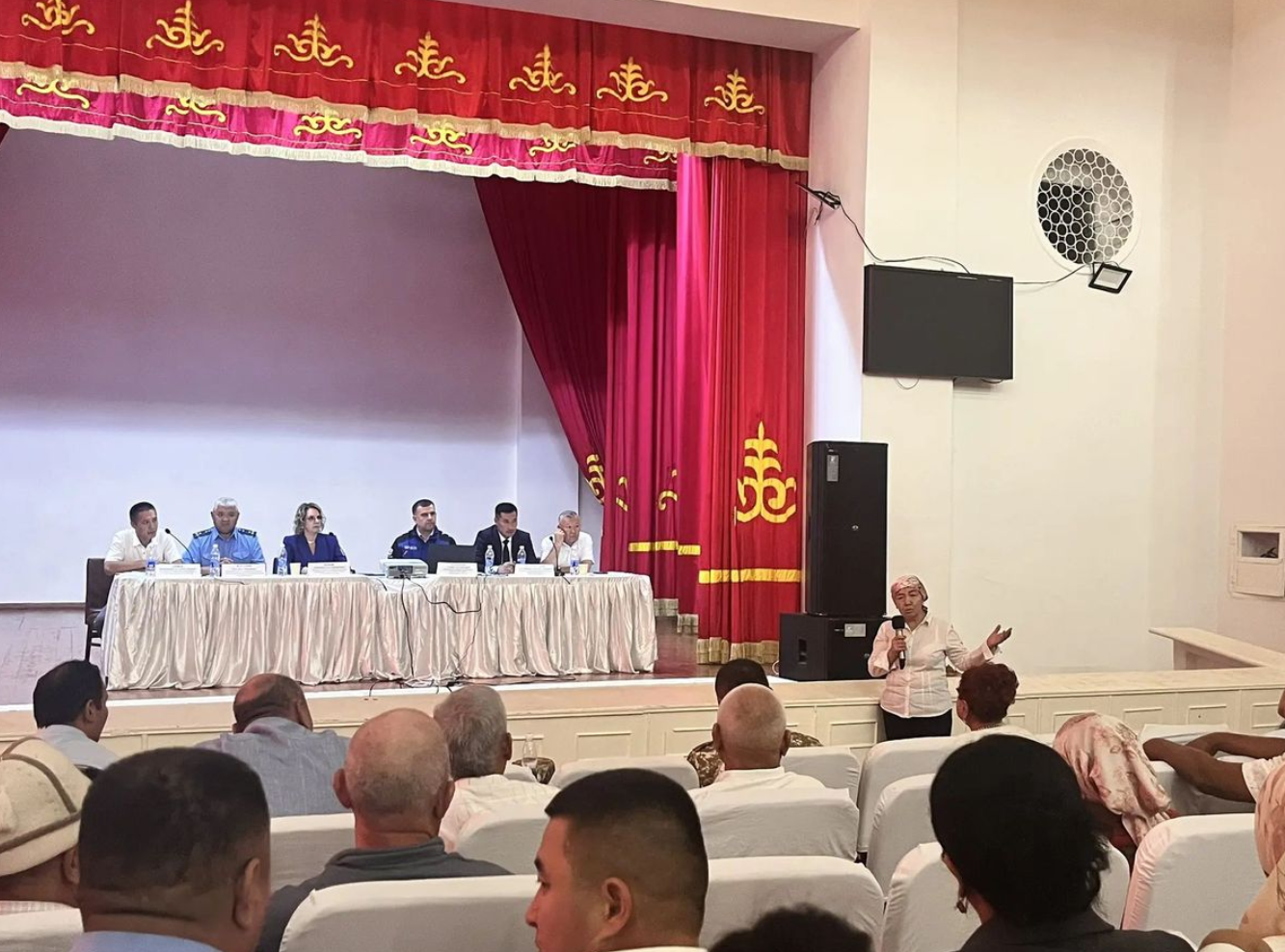
Russia helps Kyrgyzstan rehabilitate the Kristall plant and eliminate environmental risks
Rosatom will cooperate with the Ministry of Emergency Situations of Kyrgyzstan to restore the site of the former Kristall plant to a safe state using Russian engineering and environmental technologies. In Tashkumyr, the capital of Kyrgyzstan, Rosatom held an information session with local residents, public representatives and experts to present the upcoming work at the Kristall plant. Rosatom experts presented the work stages, technical solutions and environmental monitoring system. The site has stored up to 155 tonnes of toxic chemicals for about 15 years. These chemicals are kept in process tanks left after the production line was shut down and pose a potential hazard to the surrounding area....
2026-09-16
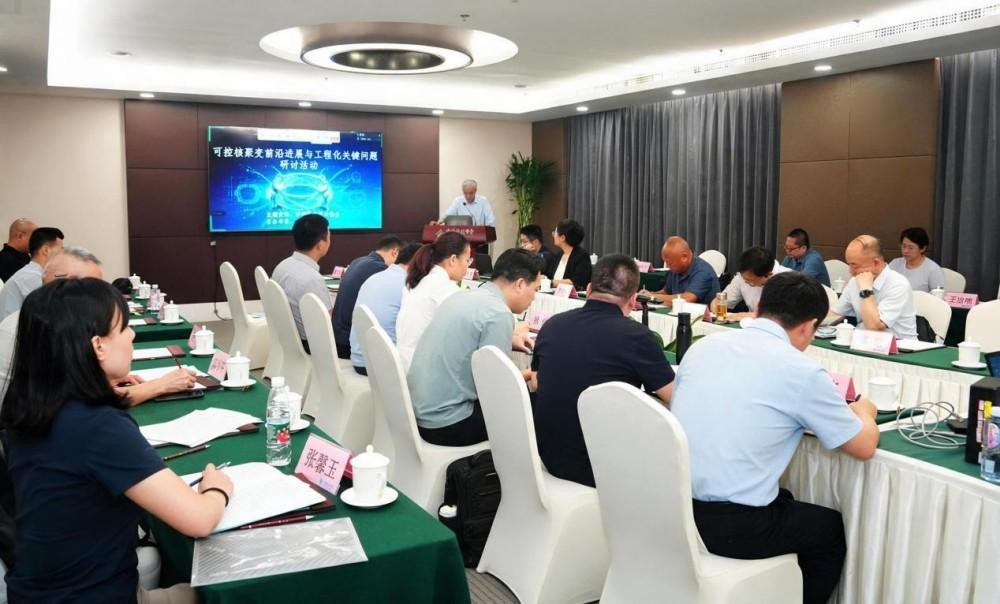
Symposium on Frontier Progress and Key Engineering Issues of Controlled Nuclear Fusion Held in Beijing
On August 30, a small-scale high-end brand exchange event—the Symposium on Frontier Progress and Key Engineering Issues of Controlled Nuclear Fusion, supported by the China Association for Science and Technology and hosted by the Chinese Nuclear Society—was held at the China Science and Technology Hall. More than 20 frontline experts from universities, research institutes, and industry engaged in exchange and discussion on relevant topics. The event focused on the strategic needs of national low-carbon transition and energy self-sufficiency and security, discussed frontier progress and key issues in the engineering implementation of controlled nuclear fusion, and aimed to help cultivate strategic emerging industries and accelerate the building of an energy powerhouse. Professor Luan Benli of Yantai University served as executive chairman, and Professor Liu Shichang of North China Electric Power University served as academic secretary. The symposium featured...
2026-09-15
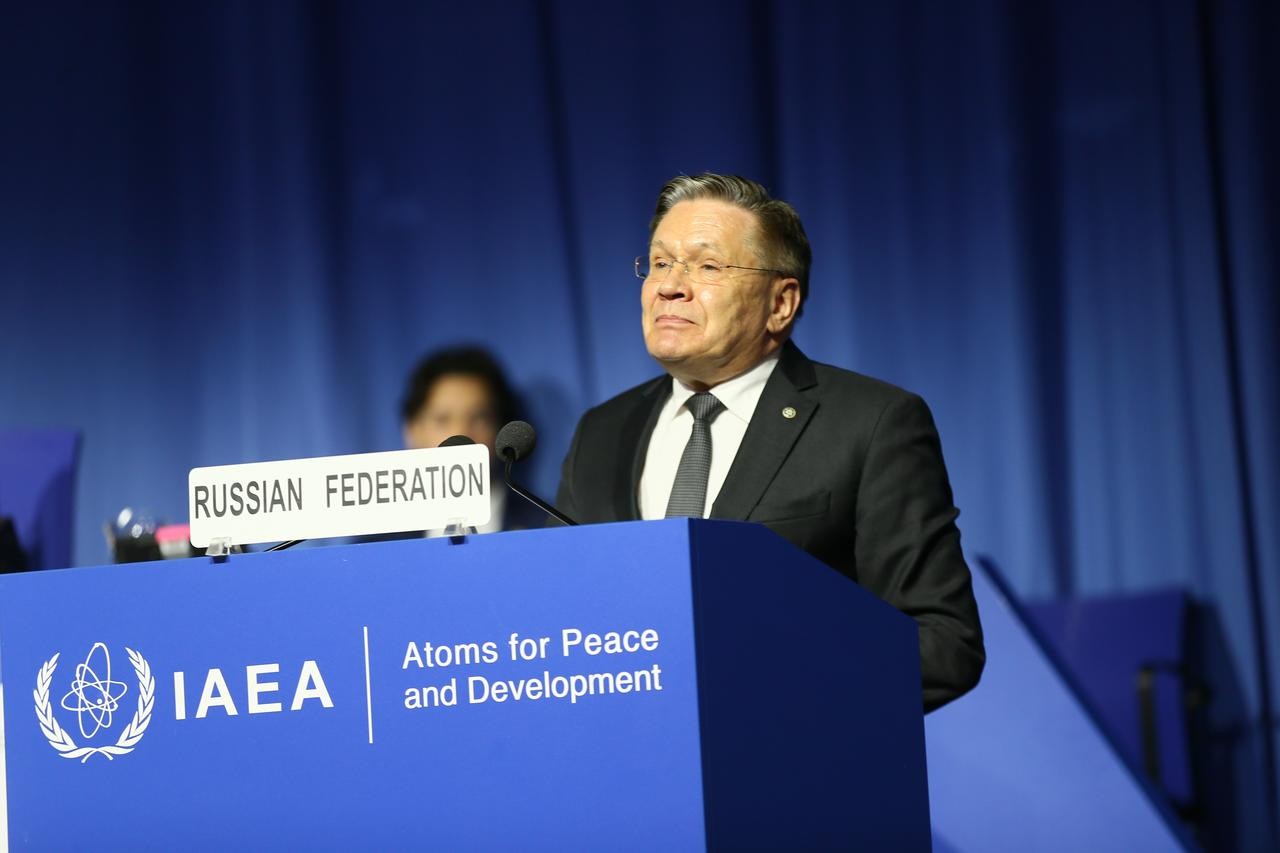
Alexey Likhachev: The situation at the Zaporozhye Nuclear Power Plant is severe; the IAEA should not merely stop at recording attacks and issuing danger warnings
Alexey Likhachev, Director General of Rosatom, told the media during the IAEA General Conference held in Vienna, Austria, that if a disaster occurs at the Zaporozhye Nuclear Power Plant, which is under continuous shelling by the Ukrainian military, a radioactive cloud could spread to Vienna within tens of hours. Likhachev pointed out that the Ukrainian attacks have created unbearable living conditions for the residents of Enerhodar, the city where the nuclear power plant is located, and that other Russian nuclear power plants are also currently frequently attacked by the Ukrainian Armed Forces. Likhachev emphasized that the Zaporozhye Nuclear Power Plant, located within the territory of the Russian Federation and operated and maintained by Russian citizens, ...
2026-09-15
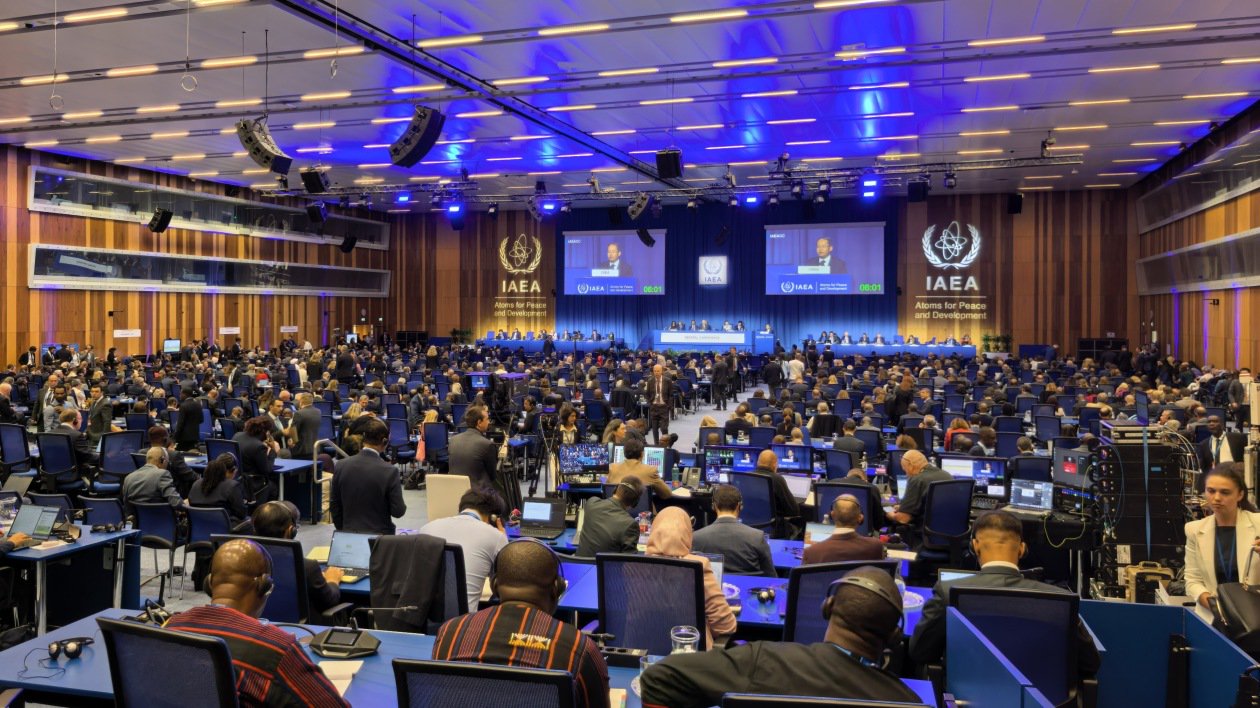
Shan Zhongde, Director of the China Atomic Energy Authority: China always adheres to the active, safe and orderly development of nuclear energy
On September 14, the 70th Regular Session of the IAEA General Conference was held in Vienna, Austria. Shan Zhongde, Director of the China Atomic Energy Authority, led a delegation to attend the conference and delivered a speech during the general debate. In his speech, Shan Zhongde stated that China always adheres to the active, safe and orderly development of nuclear energy, and coordinates innovation-driven development, safe development and open cooperation. China always upholds a rational, coordinated and progressive nuclear security concept, abides by nuclear non-proliferation obligations, continues to open cooperation platforms, share development achievements, and engage in extensive consultation, joint contribution and shared benefits, promoting global nuclear energy security, innovation and sustainable development through practical actions, and working together to build a community with a shared future for mankind, contributing Chinese wisdom, Chinese solutions and Chinese strength. Shan Zhongde...
2026-09-15
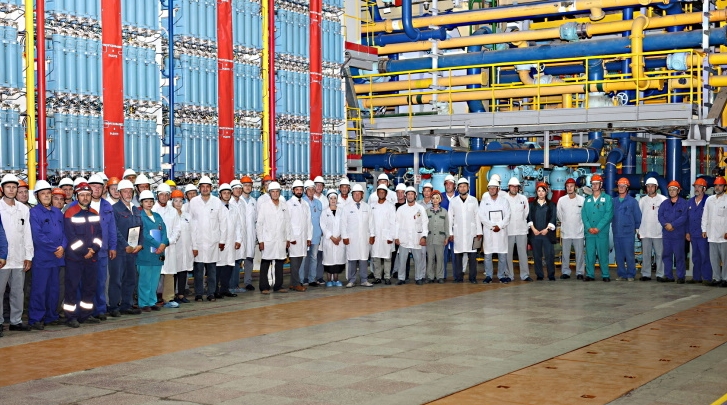
Russia's Second Depleted Uranium Hexafluoride Processing Plant Officially Commissioned, Uranium Conversion Capacity Expected to Double
The depleted uranium processing facility at the Zelenogorsk Electrochemical Plant in Krasnoyarsk Krai has been officially commissioned recently. According to a statement by Alexey Likhachev, Director General of Rosatom, the commissioning of this new facility has doubled Russia's capacity for depleted uranium hexafluoride (DUHF) processing. This is also the second such DUHF processing plant built in Russia, with an annual capacity of 10,000 tonnes, while the first plant of the same type previously operating at the same site had already been commissioned earlier. In his statement, Likhachev said that the commissioning of the new depleted uranium hexafluoride processing facility is of great significance for the Electrochemical Plant, Rosatom's fuel division...
2026-09-14

Rosatom Completes First Stage of Concrete Pouring for BREST Reactor Core Cavity
TVEL Fuel Company, a subsidiary of Rosatom, has announced that the future innovative nuclear power unit BREST-OD-300, located in Seversk, Tomsk Oblast, has successfully completed the first stage of concrete pouring for the reactor core inner cavity. The reactor is located at the site of the Generation IV Pilot Demonstration Energy Complex (ODEK) within the Siberian Chemical Combine (SCC) area, and is a core component of Russia's national strategic industry project Proryv (Breakthrough). The report noted that concrete pouring for the reactor body will proceed in multiple stages, with full completion expected in the winter of 2027, by which time the total amount of heat-resistant concrete used will exceed 7,000 cubic meters...
2026-09-14

KHNP Hanul Nuclear Power Plant Conducts High-Intensity Comprehensive Drill to Address Safety Threats Including Earthquakes, Wildfires, and Drones
On the 14th, Korea Hydro & Nuclear Power (KHNP) Hanul Nuclear Power Plant conducted a high-intensity comprehensive emergency drill aimed at responding to compound disasters such as earthquakes, wildfires, and radioactive material leaks, as well as new safety challenges including information system failures and drone threats. The Hanul Nuclear Power Plant announced that it jointly held the "2026 Disaster Response Safety Korea Drill" with multiple relevant departments at Hanul Unit 1. The Safety Korea Drill is a nationwide comprehensive emergency exercise designed to establish a disaster management system and cross-departmental coordination mechanism involving South Korea's central ministries, local governments, and public institutions, ensuring efficient joint response capabilities during major emergencies. This drill was...
2026-09-14
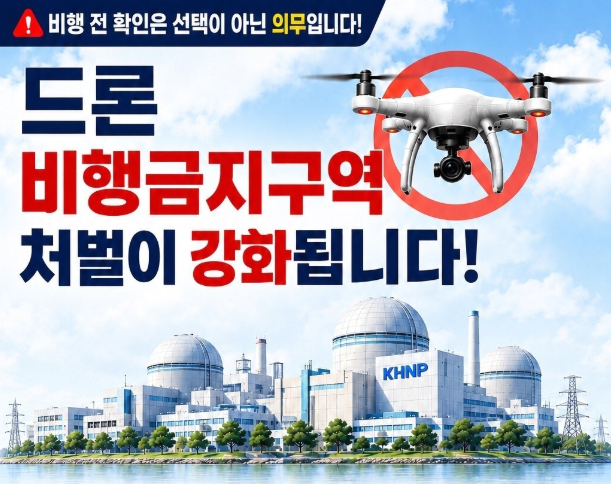
South Korea Strengthens Drone Control Around Nuclear Power Plants, Illegal Flights to Trigger Criminal Law
Korea Hydro & Nuclear Power (KHNP) stated on September 14 that it will further strengthen its response to unauthorized drone flights within no-fly zones around nuclear power plants. It is understood that under the revised Aviation Safety Act, the penalty for unauthorized operation of ultralight flying devices (drones, etc.) within no-fly zones has been significantly raised from the previous "fine of up to 3 million won (administrative fine)" to "imprisonment of up to 1 year or a fine of up to 10 million won." According to statistics from the Nuclear Safety and Security Commission of South Korea, from 2021 to August of last year, a total of 699 illegal drone incidents were detected near nuclear power plants across South Korea, of which 284 cases could not identify the operators...
2026-09-14
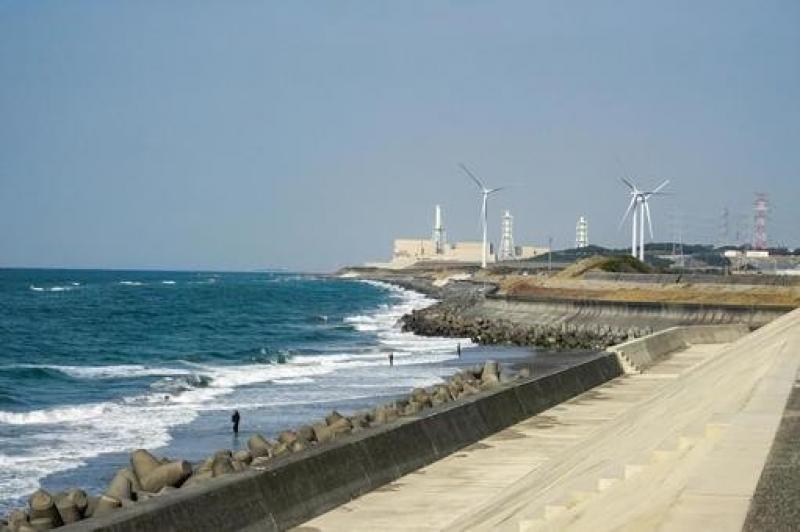
Chubu Electric Power Company withdraws regulatory review application for Hamaoka Nuclear Power Plant reactors
Chubu Electric Power Company said on Monday that it will withdraw its regulatory review application to restart reactors at the Hamaoka Nuclear Power Plant in Shizuoka Prefecture in central Japan. The company also announced the resignation of President Kingo Hayashi and Chairman Satoru Katsuno, who will take responsibility for the company's tampering with seismic data during the restart screening of the plant's Units 3 and 4 reactors.
2026-09-14