
Search Results
Keyword:RI

Korea Nuclear Safety Foundation Signs MRA with IEEE of the United States to Enhance International Credibility of Nuclear Power Equipment Performance Verification
The Korea Nuclear Safety Foundation (Chairman Kim Sung-jin) formally signed a Mutual Recognition Agreement (MRA) in the field of nuclear power equipment performance verification with the Institute of Electrical and Electronics Engineers, Incorporated (IEEE) on the 14th in Seongnam City, Gyeonggi Province. The core of this MRA lies in: both parties mutually recognizing that their respective performance verification certification systems possess equivalent levels of professional competence and quality management capability. Under the agreement, the Korea Nuclear Safety Foundation and IEEE will mutually confirm that each other's performance verification systems continuously maintain the same...
2026-09-14
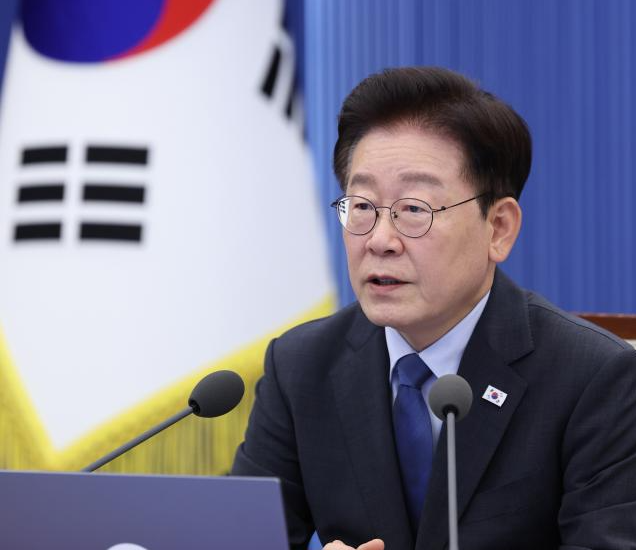
South Korean President Lee Jae-myung Meets with Asian Development Bank President, Plans to Expand Cooperation in Critical Minerals, AI, and Nuclear Power
Recently, South Korean President Lee Jae-myung met with Asian Development Bank (ADB) President Masato Kanda, and the two sides reached multiple consensus points on deepening cooperation. This meeting was prompted by diplomatic interactions between South Korea and Central Asian leaders, and both sides proposed combining South Korea's technological strengths with the ADB's financial instruments to jointly expand cooperation space in the Asia-Pacific region. On the day of the meeting, President Lee Jae-myung received President Kanda at his office at 11 a.m. This visit coincided with Kanda's attendance at the South Korea-Uzbekistan summit and the first South Korea-Central Asia summit. Kang Yoo-jung, Chief Spokesperson of the Blue House, stated in a written briefing that this meeting served as an important exchange between South Korea and the ADB in the fields of energy and technology.
2026-09-14

Kairos Power Establishes Advanced Nuclear Manufacturing and Prefabrication Center in Tennessee
Recently, Kairos Power announced in Oak Ridge, Tennessee the launch of an initiative called the "Advanced Manufacturing and Prefabrication Nuclear Center" (abbreviated as NuCAMP), aimed at advancing new manufacturing processes and construction technologies toward maturity in the nuclear power sector, while also cultivating a skilled industrial workforce in East Tennessee. The core goal of NuCAMP is to support the future large-scale deployment of advanced nuclear reactors. According to a signed memorandum of understanding, Kairos Power will lead this initiative and collaborate with Oak Ridge National Laboratory, the University of Tennessee, Knoxville, the Institute for Advanced Composites Manufacturing Innovation (IACMI), Barnard Construction...
2026-09-14

Canada Promotes Uranium Resources and Nuclear Industry to the UK
Recently, Scott Moe, Premier of the Canadian province of Saskatchewan, led a trade and investment delegation to the United Kingdom, focusing on promoting the province's abundant uranium resources and its expertise and experience in the nuclear energy sector. The visit aimed to demonstrate to the UK side that Saskatchewan possesses the resource reserves, research and development infrastructure, and complete industrial chain conditions to advance nuclear energy development, and to create opportunities for local enterprises to expand into overseas markets. Scott Moe stated in an official statement that the province has abundant uranium resources, well-established nuclear energy research infrastructure, and mature supply chain capabilities, and is fully equipped to become a world leader in nuclear energy development....
2026-09-14
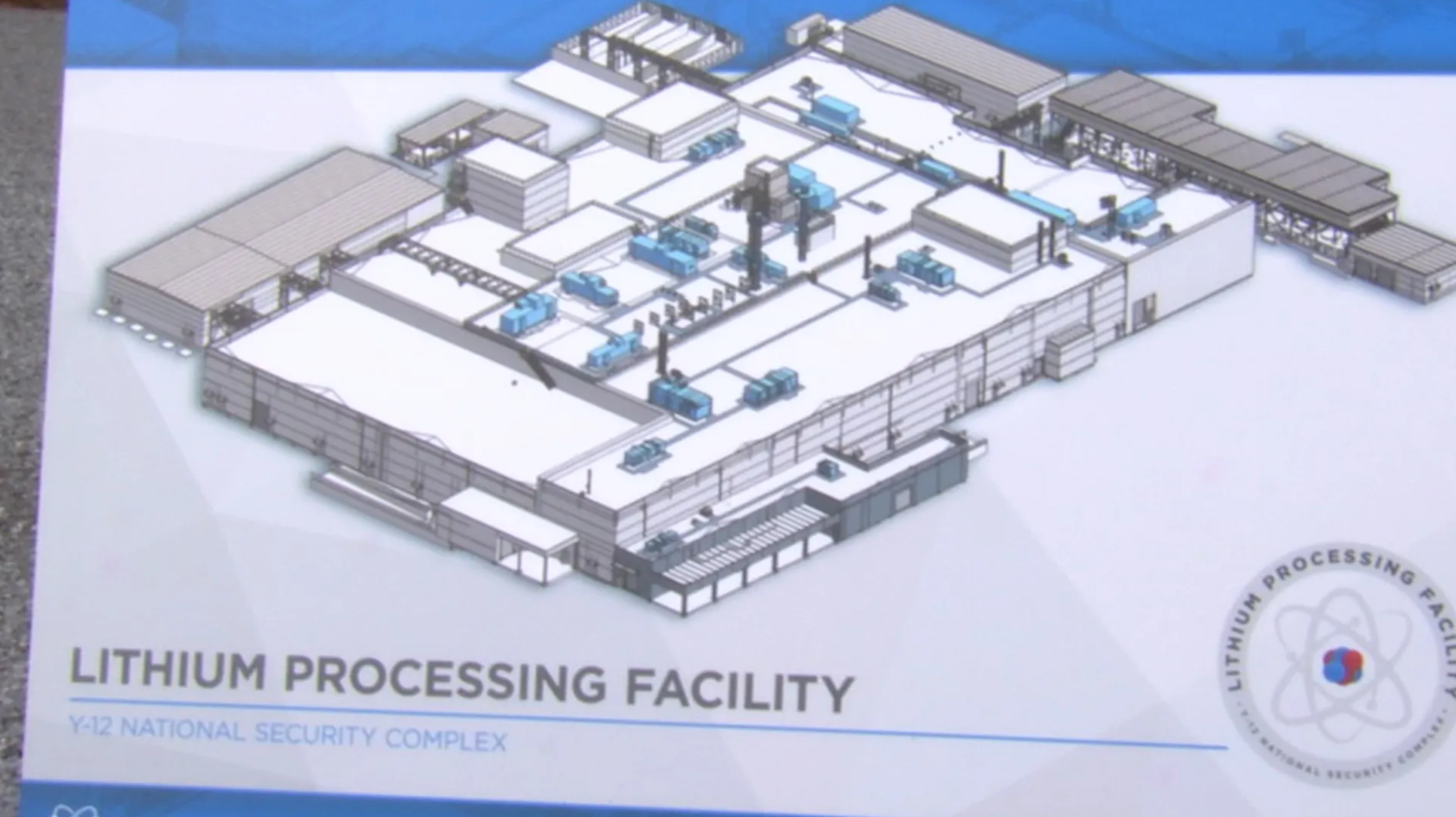
BWXT Awarded $4 Million Conceptual Design Contract for Y-12 Lithium Processing Facility
Recently, BWX Technologies, Inc. (BWXT), a nuclear technology, nuclear components, and nuclear fuel manufacturing company headquartered in Lynchburg, Virginia, USA, announced that it has been awarded the conceptual design contract for the first module of the first lithium processing facility at the Y-12 National Security Complex by the U.S. Department of Energy National Nuclear Security Administration (DOE/NNSA). It is understood that the Y-12 National Security Complex, located in Oak Ridge, Tennessee, USA, is managed by the National Nuclear Security Administration (NNSA) under the U.S. Department of Energy. Its core business...
2026-09-14

Vietnam Seeks French CEA Support to Restart Nuclear Power Program
On the morning of September 11 local time, To Lam, General Secretary of the Central Committee of the Communist Party of Vietnam and President of Vietnam, who is on an official visit to France, led a high-level Vietnamese delegation to visit the French Alternative Energies and Atomic Energy Commission (Commissariat à l'énergie atomique et aux énergies alternatives, CEA). During the visit, the CEA briefed To Lam and the high-level Vietnamese delegation on France's core technology development. The CEA focuses on research in strategic fields such as nuclear energy, semiconductors, quantum technology, and artificial intelligence. To Lam stated that Vietnam is restarting its national nuclear power program, including the Ninh Thuan nuclear power project and the nuclear science and technology research center...
2026-09-12
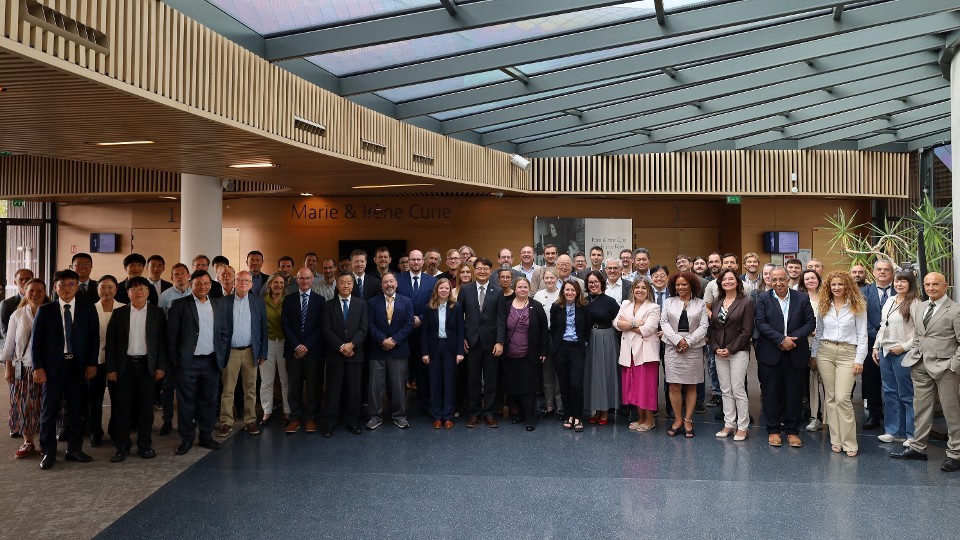
Paris, France workshop explores ATHENA thermal-hydraulics nuclear safety research cooperation framework
On September 10-11, 2026, dozens of researchers, experts and related professionals gathered in Paris, France to participate in the workshop on building the ATHENA framework, discussing collaborative mechanisms for thermal-hydraulics nuclear safety research. ATHENA stands for Advanced Thermal-Hydraulics Experiments for Nuclear Analysis and Safety Applications, and aims to establish a more coordinated and more sustainable thermal-hydraulics research framework. Participants believed that clarifying the framework's flexibility, applicable boundaries and advantages requires strengthened communication among all relevant parties to ensure that different research needs are...
2026-09-13

Hualong One Version 2.0 Independent Innovation Achievements Presented in Beijing
On September 11, the "Road of Independent Innovation for Hualong One" media tour was launched in Beijing, focusing on presenting the independent innovation achievements and technical advantages of Hualong One Version 2.0. According to reports, Hualong One Version 2.0 adopts Chinese standards and has the capability for 100% domestic production of key equipment, with its safety performance indicators ranking in the first tier among large pressurized water reactors globally. Hualong One is a million-kilowatt-class Generation III pressurized water reactor nuclear power technology developed on the basis of China's more than 40 years of experience in nuclear power research and development, design, manufacturing, construction, and operation, and possesses fully independent intellectual property rights. Hualong One Version 2.0, building on the summary of engineering construction and operational experience of Hualong One, has been launched through independent innovation and overall coordination...
2026-09-12

UK Nuclear Industry Association and Ukrainian Nuclear Forum Sign Nuclear Energy Cooperation Memorandum
On September 10, 2026, the UK Nuclear Industry Association (NIA) and the Ukrainian Nuclear Forum signed a memorandum of understanding to expand cooperation in areas including decommissioning of complex nuclear facilities, deployment of small modular reactors, and securing "trusted partner" status under the EU's Industrial Accelerator Act (IAA). Nuclear energy is an important source of Ukraine's wartime electricity supply, accounting for approximately 55% of the country's electricity supply. This cooperation builds on existing UK-Ukraine nuclear fuel cooperation. Urenco, one-third owned by the UK government, has supplied Ukraine with...
2026-09-12

Thailand Advances SMR Regulatory and Public Engagement Preparations, Plans to Commission First Unit by 2037
From September 9 to 11, 2026, the U.S. Department of State held the FIRST and Thailand Stakeholder Engagement Workshop in Bangkok. The workshop was co-hosted by the Thailand Institute of Nuclear Technology (TINT) and the Electricity Generating Authority of Thailand (EGAT), aiming to support Thailand's preliminary preparations for small modular reactors (SMRs), with a focus on transparent communication, public trust, and stakeholder engagement. The FIRST program, whose full name is Foundational Infrastructure for the Responsible Use of Small Modular Reactor Technology, was initiated by the U.S. Department of State and mainly supports relevant countries in...
2026-09-12

Brookhaven National Laboratory Develops Integrated X-ray Imaging Tool for Nuclear Materials Research
A research team at the U.S. Department of Energy's Brookhaven National Laboratory has recently developed and built a new experimental apparatus that integrates four X-ray computed tomography techniques into a single instrument, enabling multiscale, comprehensive studies of next-generation nuclear reactor materials. The related technical achievements and capability demonstration have been published in the Journal of Synchrotron Radiation. The apparatus is located at the X-ray Powder Diffraction (XPD) beamline of the National Synchrotron Light Source II (NSLS-II) and was commissioned jointly by the U.S. Department of Energy Office of Nuclear Energy's Nuclear Science User Facilities program, Brookhaven National Laboratory's Nuclear Science and Security Department, and NSLS-II. Researchers said that next...
2026-09-12
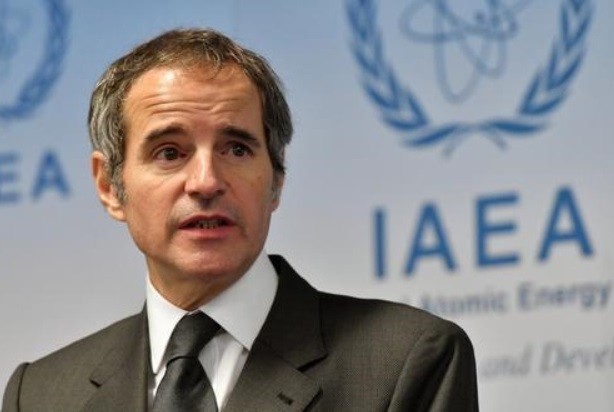
Rosatom Director General to hold talks with Grossi during IAEA General Conference
On September 11, Alexey Likhachev, Director General of the State Atomic Energy Corporation Rosatom (Rosatom), said that he plans to hold talks with Rafael Grossi, Director General of the International Atomic Energy Agency, during the IAEA General Conference. Likhachev said that the 70th IAEA General Conference will open in Vienna on Monday, and it is one of the important annual events in the international nuclear field. During the meeting, the Russian side plans to meet with Grossi and hopes to reach agreement on Grossi's visit to the Zaporizhzhia Nuclear Power Plant. Likhachev also said that the next rotation of IAEA experts stationed at the Zaporizhzhia Nuclear Power Plant is expected to take place...
2026-09-13

South Gyeongsang Province, South Korea Releases SMR Development Strategy 2.0, Sets 2035 Manufacturing Market Share Target
On September 10, 2026, South Gyeongsang Province, South Korea announced the Small Modular Reactor Global Development Strategy 2.0, proposing to build the region into the world's leading small modular reactor (SMR) production hub by 2035, and striving to capture 60% of the global SMR manufacturing market and achieve 100% self-sufficiency in related technologies. South Gyeongsang Province stated that multiple tasks included in the Small Modular Reactor Global Development Strategy 1.0 formulated last year, including promoting the enactment of a special SMR law, designating SMR as a national strategic technology, designating an SMR specialized complex, establishing a full-cycle SMR support system, and relaxing relevant regulatory requirements, have already been reflected in the South Korean government's policies. Therefore...
2026-09-13
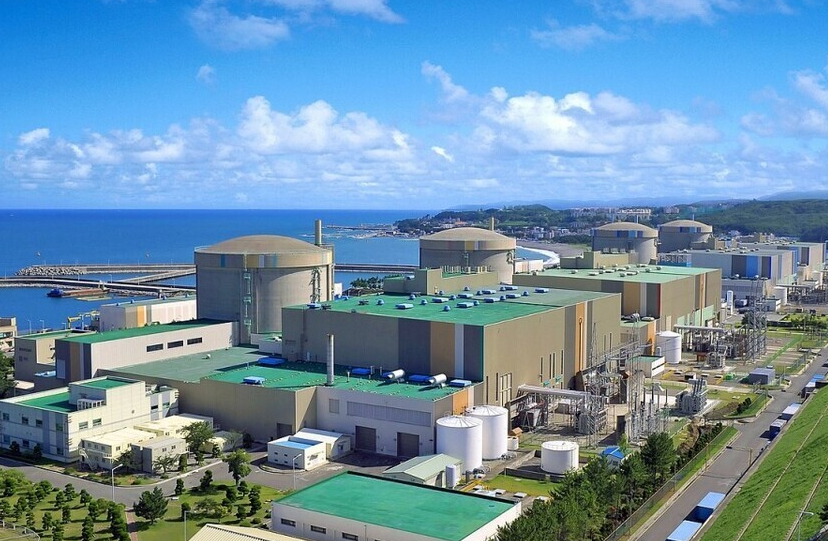
South Korea Conducts First Joint Radiation Emergency Exercise Involving Two Nuclear Power Plants Simultaneously
The Nuclear Safety and Security Commission (NSSC) of South Korea announced on September 10 that South Korea held the 2026 National Joint Radiation Disaster Prevention Exercise, simulating a radioactive material release accident at the Wolsong Nuclear Power Plant in Gyeongju, North Gyeongsang Province, and the simultaneous entry into a radiation emergency state at the Hanul Nuclear Power Plant in Uljin County, North Gyeongsang Province. Approximately 2,000 people participated in the exercise, including relevant South Korean central government departments, local governments, specialized agencies, relevant operating organizations, local organizations, and nearby residents. This exercise set up a compound disaster scenario of simultaneous radiation emergencies at multiple nuclear power plants for the first time. The exercise assumed that...
2026-09-12

South Korea to Reconsider Accident Management Plans for Four Units at Gori and Hanbit
On September 11, 2026, the Nuclear Safety and Security Commission of South Korea held its 14th meeting of 2026 to review the accident management plans and operating change license applications submitted by Korea Hydro & Nuclear Power (KHNP) for Gori Nuclear Power Plant Units 3 and 4 and Hanbit Nuclear Power Plant Units 1 and 2. The meeting failed to reach a final conclusion and decided to refer the relevant agenda items to the next meeting for continued deliberation. The accident management plan mainly includes the scope of nuclear power plant accident management, management facilities, management strategies, and training programs. For nuclear power units with long operating lives, approval of this plan is generally regarded as an important prerequisite for subsequent discussions on continued operation licenses....
2026-09-12