
Search Results
Keyword:RI
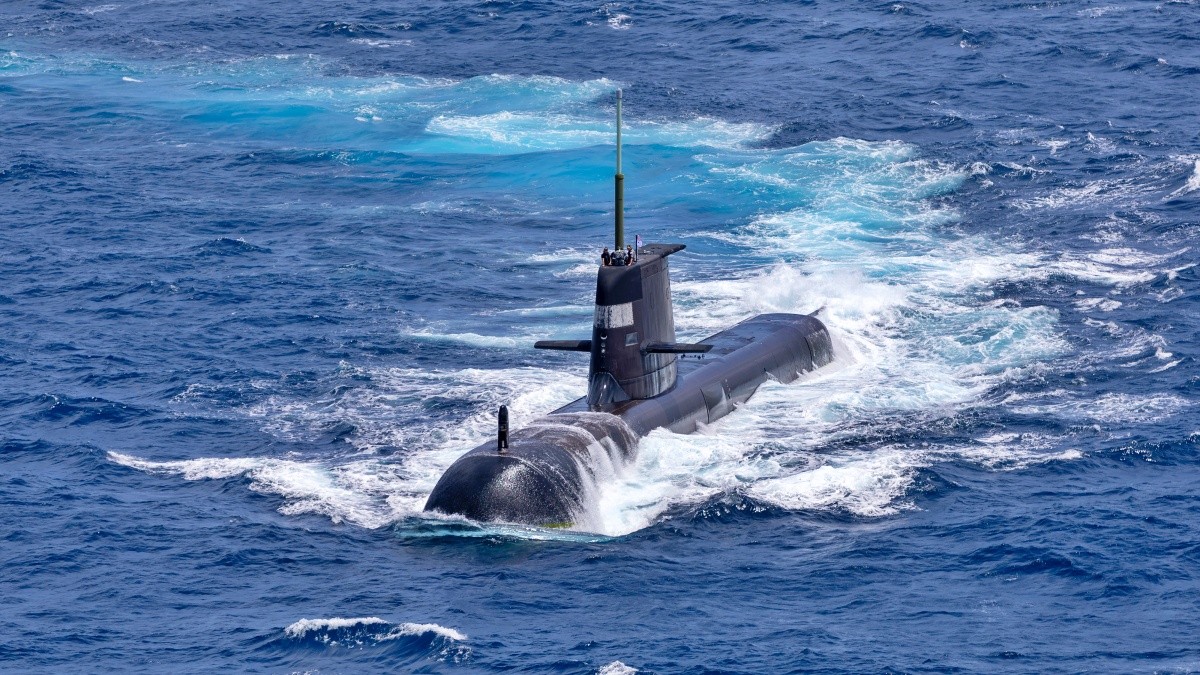
Russian designers propose hybrid powerplant concept for small nuclear submarine
Nikolai Kirillov, a designer from St. Petersburg, Russia, has proposed a powerplant concept for a small nuclear submarine, envisioning a combination of a diesel engine, a small nuclear reactor, and an electric motor to provide the submarine with three operating modes: diesel surface cruising, electric submerged navigation, and sustained nuclear power generation. Under this concept, the submarine is powered by the diesel engine while surface cruising. The diesel engine drives a fixed-pitch propeller through a gearbox and a dedicated propeller shaft, allowing the diesel to operate as close to its rated conditions as possible to reduce equipment wear. In submerged conditions, the diesel engine is shut down, and propulsion is provided by a separate electric motor. This motor is paired with a controllable-pitch propeller and draws power from a battery bank.
2026-09-07
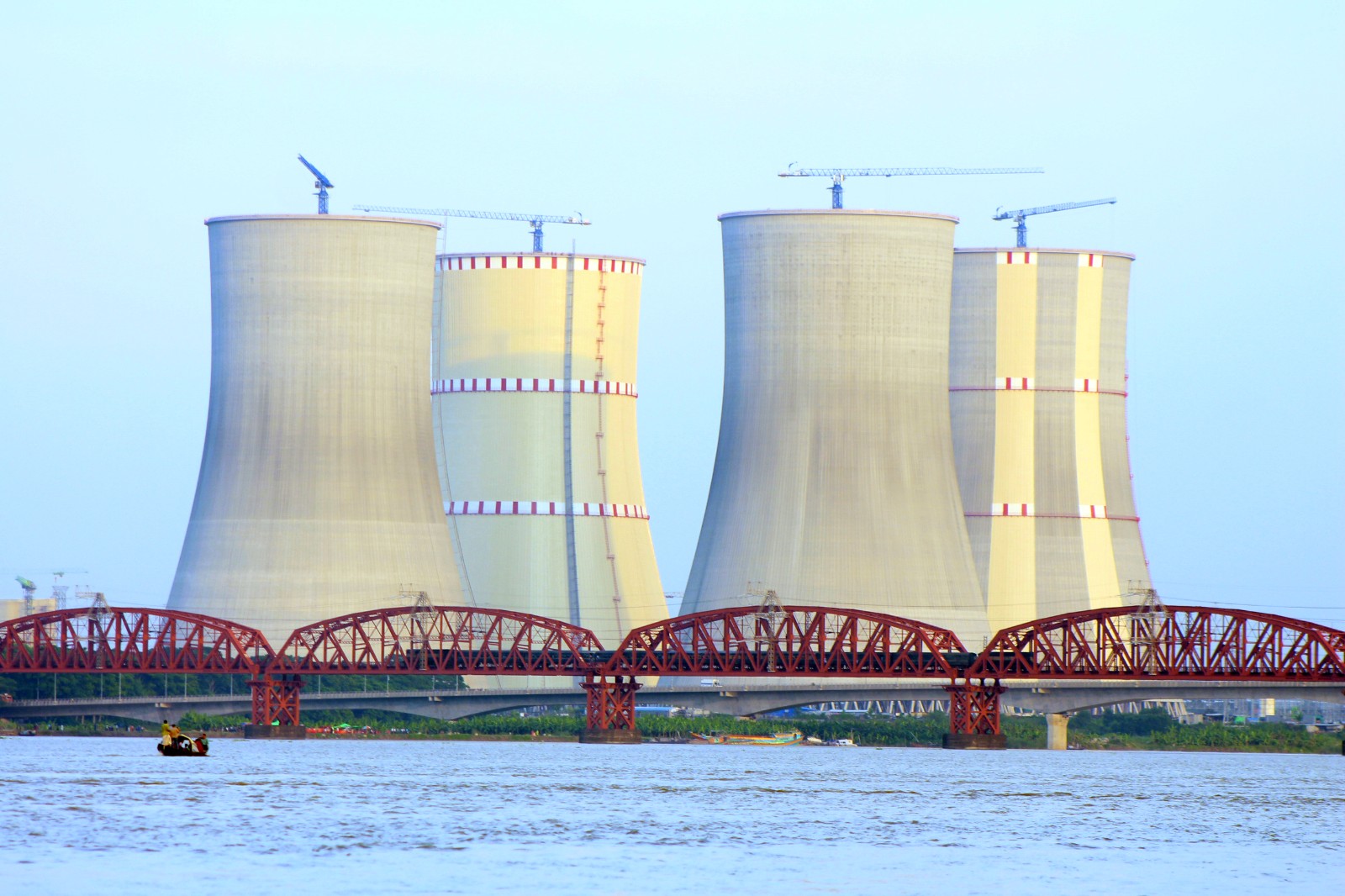
Grid Connection of Unit 1 at Bangladesh's Rooppur Nuclear Power Plant Delayed Again
The grid connection of Unit 1 at Bangladesh's Rooppur Nuclear Power Plant has been delayed once again. Fakir Mahbub Anam, Bangladesh's Minister of Science and Technology, stated that two critical safety valves of the unit exposed technical faults during testing, and the next phase of testing cannot be initiated for the time being. A specific timeline for troubleshooting and grid connection of the unit has yet to be determined. Located in the Pabna region of Bangladesh, the Rooppur Nuclear Power Plant is being constructed with financing and technical support from Russia, with plans for two VVER-1200 units totaling approximately 2,400 megawatts of installed capacity. On April 28 this year, the unit commenced fuel loading preparation and testing work, when the project...
2026-09-07

Türkiye continues negotiations with multiple countries on new nuclear power plants
Turkish Minister of Energy and Natural Resources Alparslan Bayraktar stated that Türkiye's negotiations on new nuclear power plants have not yet been completed, and the country remains in contact with Russia, China, Canada, South Korea, and others, with no agreements signed for the relevant projects. Bayraktar said Russia is interested in participating in the Sinop and Thrace nuclear power plant projects and hopes to leverage the experience and human resources accumulated in the Akkuyu nuclear power plant project. In addition to Russia, Türkiye is also in negotiations with Canada, China, and South Korea on other nuclear power projects. He stated that beyond the Akkuyu plant, Türkiye plans to build eight more reactors...
2026-09-07
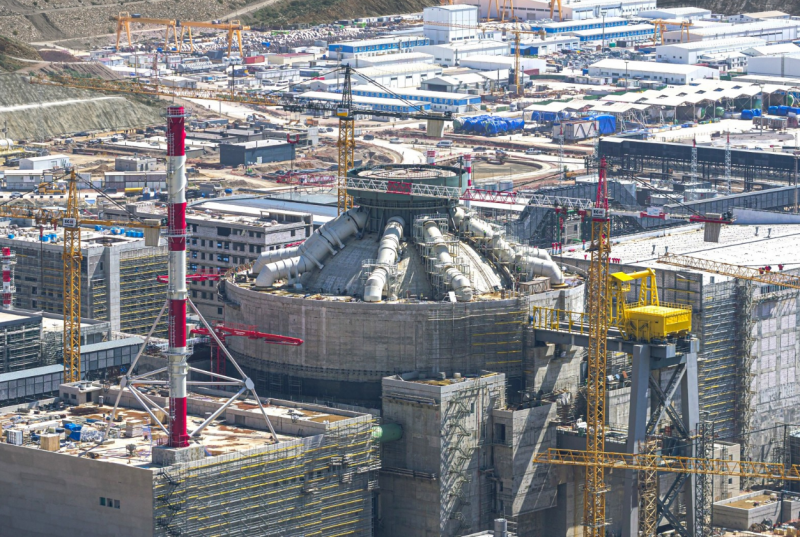
Turkey's Akkuyu Nuclear Power Plant Unit 1 to Generate Electricity by End of 2026
Turkish Energy Minister Alparslan Bayraktar stated that Unit 1 of the Akkuyu Nuclear Power Plant has entered the testing phase, with Turkey aiming to complete commissioning and begin electricity generation by the end of 2026. Bayraktar said construction of the remaining units at the Akkuyu Nuclear Power Plant is still progressing, and the project team also plans to build a data center near Units 3 and 4. He also noted that due to factors such as the pandemic, rising commodity prices, and increased construction costs, the total cost of the Akkuyu Nuclear Power Plant has exceeded the initially planned $20 billion. However, the project has made progress in localization, including equipment, materials, and services...
2026-09-07
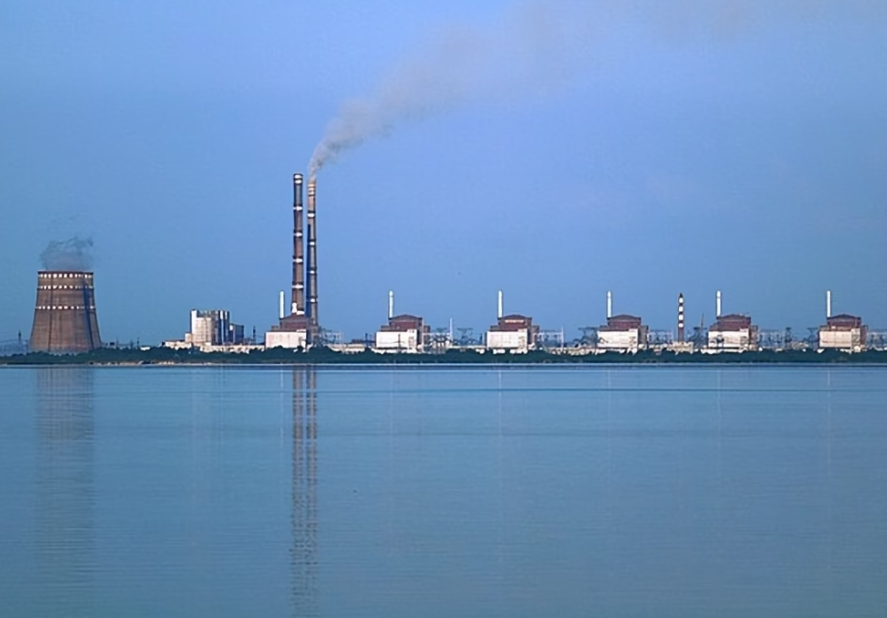
Ukraine's Zaporizhzhia Nuclear Power Plant Initiates Repair of External Power Transmission Lines
The Zaporizhzhia Nuclear Power Plant announced on September 5 that it has initiated repair and restoration work on its external power supply lines to ensure their normal operation. The plant stated that the repair and restoration efforts have commenced and are expected to be completed smoothly, with the Ferrosplavnaya-1 transmission line anticipated to resume operation as soon as possible. Currently, plant staff are monitoring all safety parameters around the clock. The plant stated that the situation on site is under control. ...
2026-09-07
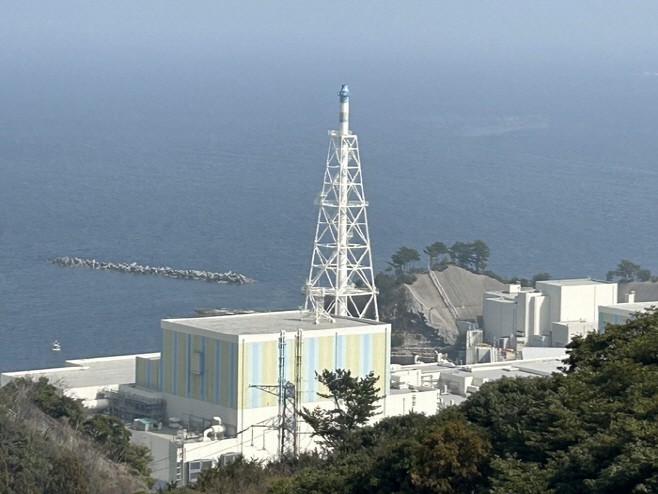
Tottori Prefecture nuclear safety advisory council approves safety of MOX fuel plan for Shimane Unit 2
The Tottori Prefecture Nuclear Safety Advisory Council held a meeting in Yonago City on September 6 and submitted an opinion on the MOX fuel power generation project planned by Chugoku Electric Power Co. for Unit 2 of the Shimane Nuclear Power Station. The opinion stated that, based on explanations provided by Chugoku Electric Power Co. and the Japanese government, the safety of the project can be ensured. The Shimane Nuclear Power Station is located in Matsue City, Shimane Prefecture. Chugoku Electric Power Co. plans to use mixed oxide fuel, or MOX fuel, consisting of uranium and plutonium, in Unit 2. This type of power generation is also referred to as plutonium thermal power generation in Japan. The opinion also...
2026-09-07
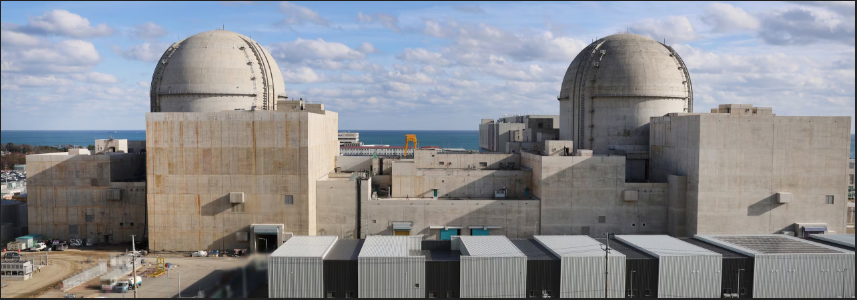
Unit 3 at Saeul Nuclear Power Plant in South Korea Shut Down Again During Trial Operation
Unit 3 at the Saeul Nuclear Power Plant, operated by Korea Hydro & Nuclear Power (KHNP), was shut down again during trial operation. The unit, located in Ulju County, Ulsan, South Korea, has a generating capacity of 1,400 MW. According to the plant operator, operators manually shut down the reactor at approximately 3:01 p.m. on the 6th. The shutdown was initiated after a leak was confirmed in a pipe related to turbine steam condensate. The plant stated that the manual shutdown was carried out to ensure facility stability and facilitate maintenance. The plant also stated that the shutdown caused no radiological impact and that the unit is currently in a stable condition. Personnel are analyzing the cause of the pipe leak. This...
2026-09-07
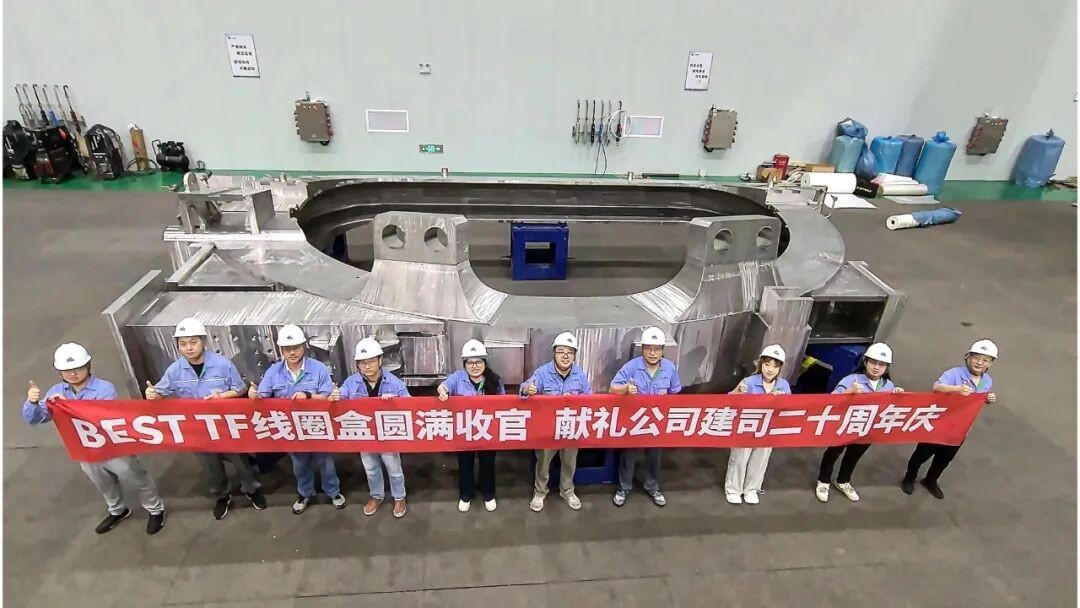
China's BEST Project Completes Delivery of Seven TF Coil Boxes
On August 30, 2026, as the final BEST Toroidal Field (TF) coil box passed all acceptance inspections and was shipped, Shanghai Electric Nuclear Power Equipment Co., Ltd. completed the development of seven core coil boxes for the BEST project. The project spanned approximately two and a half years, from the initiation of the first laser weld in January 2024 to the completion of all girth welds on products by the end of May 2026. The BEST TF coil box is a core pressure-bearing component in the magnetic field system of a tokamak device, primarily used to support the magnet structure, confine high-temperature plasma, and ensure stable device operation. Featuring an irregular and complex structure, high integration precision requirements, and demanding service conditions, this component imposes stringent requirements on specialized laser welding, precision machining, and geometric tolerance control...
2026-09-07

Changwon National University and Wrocław University of Science and Technology Partner to Cultivate Nuclear Power Manufacturing Talent
The Artificial Intelligence Innovation Research Center for Next-Generation Nuclear Energy Equipment and Component Manufacturing (AI-NMIC) at Changwon National University recently signed a cooperation agreement with Wrocław University of Science and Technology (WUST) in Poland, under which the two institutions will collaborate on talent development in the fields of next-generation nuclear power and nuclear energy equipment manufacturing. This marks AI-NMIC's first formal partnership with an overseas university. Wrocław University of Science and Technology is one of Poland's key technical universities, with strong foundations in engineering fields such as mechanical, electrical, and materials science. As Poland advances...
2026-09-06

Canada's AtomVie Opens Large-Scale Radiopharmaceutical R&D and Manufacturing Facility in Hamilton
On September 4, AtomVie Global Radiopharma, a radiopharmaceutical contract development and manufacturing organization, announced the official opening of its new state-of-the-art production facility at 10 Aeropark Boulevard, Hamilton, Ontario, Canada. The facility is designed to support the full-spectrum translation of radiopharmaceuticals from early-stage research and development, through clinical development, to commercial manufacturing. According to reports, the new facility represents an investment of over $160 million and spans 72,300 square feet, making it one of the largest single-site radiopharmaceutical R&D CDMO facilities in North America. The facility offers production capabilities ranging from low-throughput to high-throughput, increasing AtomVie's overall production capacity by more than tenfold, with dedicated spaces configurable to meet clients' subsequent R&D and commercialization needs.
2026-09-05
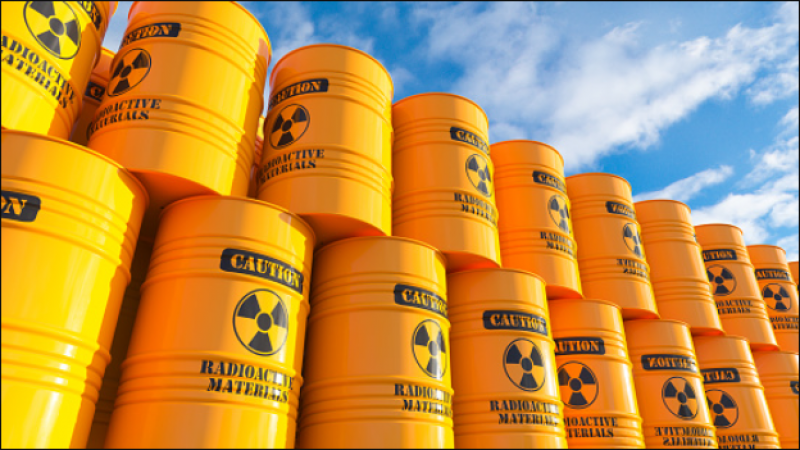
Hitachiomiya City Assembly in Japan Hears Briefing on Literature Survey for High-Level Radioactive Waste Disposal Site
On September 4, the Hitachiomiya City Assembly in Ibaraki Prefecture, Japan, held a closed-door briefing session regarding the central government's request for the city to initiate a literature survey for the final disposal site selection of high-level radioactive waste. Representatives from the Ministry of Economy, Trade and Industry (METI) and the Nuclear Waste Management Organization of Japan (NUMO) attended the meeting to explain the national energy policy, an overview of the geological disposal project, and the background behind the survey request. All 16 members of the Hitachiomiya City Assembly participated in the briefing, with Mayor Suzuki Sadayuki attending as an observer. The meeting was originally scheduled for approximately two hours but actually lasted about three and a half hours due to the large number of questions from assembly members. After the meeting, Yokote Hiroki, Director of the Radioactive Waste Policy Division at METI's Agency for Natural Resources and Energy, stated that assembly members raised questions covering multiple aspects, including technical details of geological disposal and the site selection procedure for disposal facilities, and that the government side would continue its outreach efforts. Should the City Assembly make a request, METI would provide further explanations.
2026-09-06

8th Russia-China Energy Business Forum Held; Putin Says Nuclear Power Projects in China Using Russian Designs Nearing Completion
On September 4, Russian President Vladimir Putin stated in his address to the participants, organizers, and guests of the 8th Russia-China Energy Business Forum that energy has always been one of the most important and dynamic areas of Russia-China economic cooperation. Putin noted that the comprehensive partnership and strategic coordination between the Russian Federation and the People's Republic of China continue to develop steadily. Russia currently holds a firm position as a major supplier of oil and natural gas to China, and is also an important exporter of coal and liquefied natural gas to China. In the nuclear power sector, Putin mentioned that multiple nuclear power plants designed by Russia are under construction in China, with related projects nearing successful completion...
2026-09-05
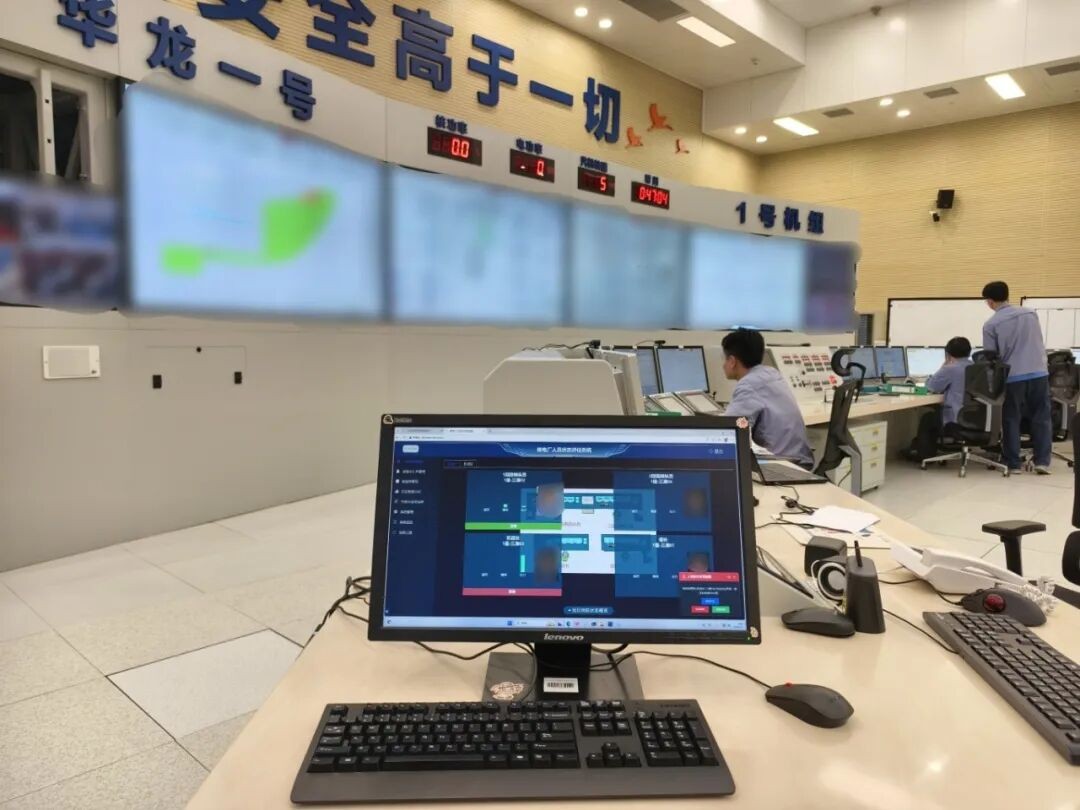
First Application and Verification of Intelligent Monitoring and Adjustment System for Nuclear Power Plant Personnel Status at "Hualong One" Nuclear Power Plant
On September 4, CGN Engineering, in collaboration with Cangnan Nuclear Power, successfully completed the testing, verification, and on-site data collection of the Intelligent Monitoring and Adjustment System for Nuclear Power Plant Personnel Status at the San'ao Nuclear Power Base. The CGN Engineering departments participating in this testing and verification included CGN Design Institute, the National Key Laboratory of Nuclear Power Safety Technology and Equipment (hereinafter referred to as the National Key Laboratory), CGN Engineering Cangnan Project Department, and Huasheng Technology. This joint test marks an important milestone in the project's transition from technology research and development to engineering application, providing key technical support for the quantitative analysis transformation of human factors safety management in China's nuclear power industry. The system, built upon the personnel fatigue status monitoring principle prototype developed under the Intelligent Nuclear Power strategic special project, has been iteratively improved with continuous support from the Yangjiang Chuangbao High-tech Research Project and the National Key Laboratory research projects, and has now evolved into a mature product suitable for engineering and large-scale application. Previously, relevant functional modules of the system had been deployed and data collected in applications such as human factors verification in the main control room of Yangjiang Nuclear Power Base and simulator training at Taishan Nuclear Power Base. The on-site testing and data collection at the San'ao Nuclear Power Base further verified the system's environmental adaptability and reliability across multiple nuclear power base scenarios, laying a solid foundation for subsequent industry-wide promotion and application.
2026-09-05
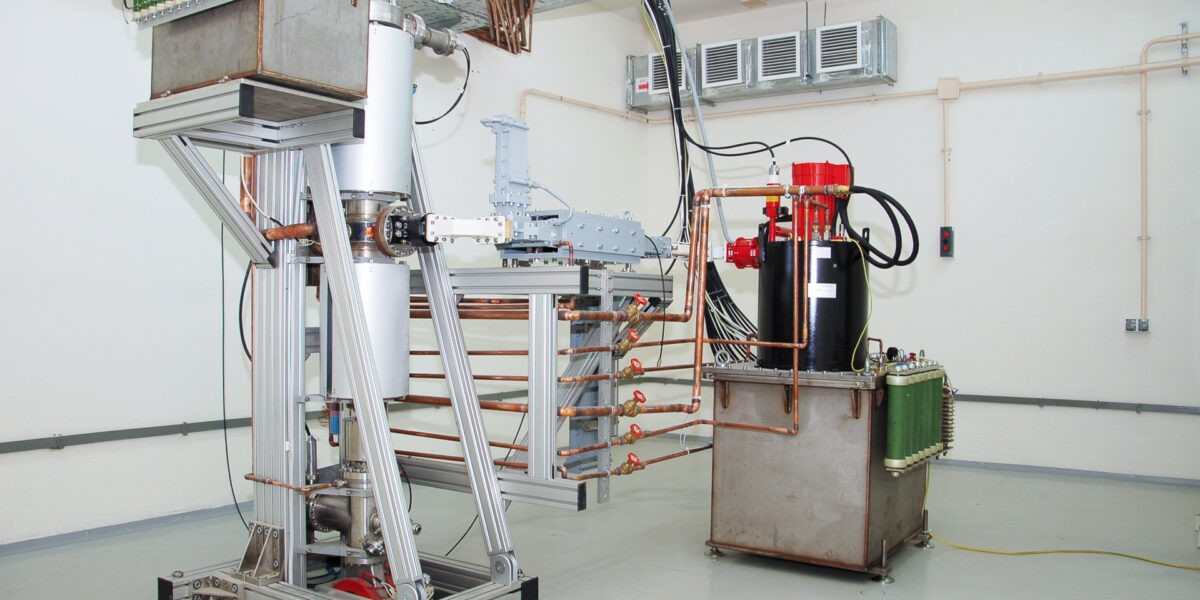
Russian Research Team Synthesizes Novel Metal-Organic Framework Material Capable of Immobilizing Radioactive Cesium
The Frumkin Institute of Physical Chemistry and Electrochemistry of the Russian Academy of Sciences has synthesized a novel metal-organic framework material containing neptunium and cesium atoms. Research shows that this material is insoluble in water, resistant to high temperatures and intense radiation, and can stably "lock" radioactive cesium within its own structure, offering new insights for research on radionuclide immobilization and radioactive waste treatment materials. Metal-organic framework materials are a class of materials with high porosity and controllable crystal structures, whose lattices are typically composed of metal atoms connected by organic molecules. Since their pore sizes and structures can be tuned at the molecular level, these materials can be used to adsorb gases or specific nuclides. However, compared with traditional adsorbents such as activated carbon...
2026-09-04
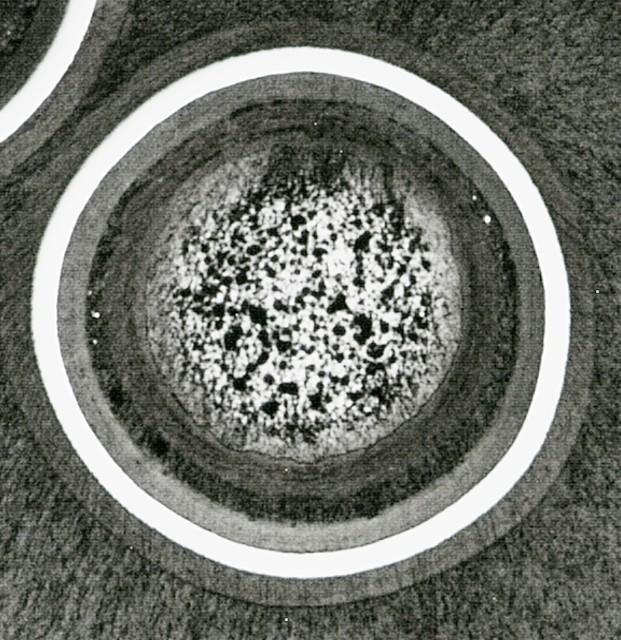
U.S. Completes Mechanical Property Measurements of Irradiated HALEU TRISO Fuel Particles
Researchers at the U.S. Department of Energy's Oak Ridge National Laboratory (ORNL) have completed mechanical property measurements of irradiated high-assay low-enriched uranium (HALEU) TRISO fuel particles, providing new experimental data for the development and qualification of next-generation nuclear fuels. This is an optical cross-sectional image of an irradiated AGR-2 TRISO fuel particle in the Irradiated Fuels Examination Laboratory at Oak Ridge National Laboratory. Image credit: Oak Ridge National Laboratory, U.S. Department of Energy. TRISO fuel, or tri-structural isotropic fuel, features particles coated with multiple protective layers, typically including pyrolytic carbon layers and a silicon carbide layer. This structure provides strong fission product retention capability and is considered one of the key fuel options for advanced reactors, particularly high-temperature gas-cooled reactors. Understanding the property changes of these coatings after irradiation is a critical step in predicting fuel performance under reactor operating conditions.
2026-09-04