Russian Scholars Discuss Prospects and Limitations of Low-Dose Ionizing Radiation in Agriculture
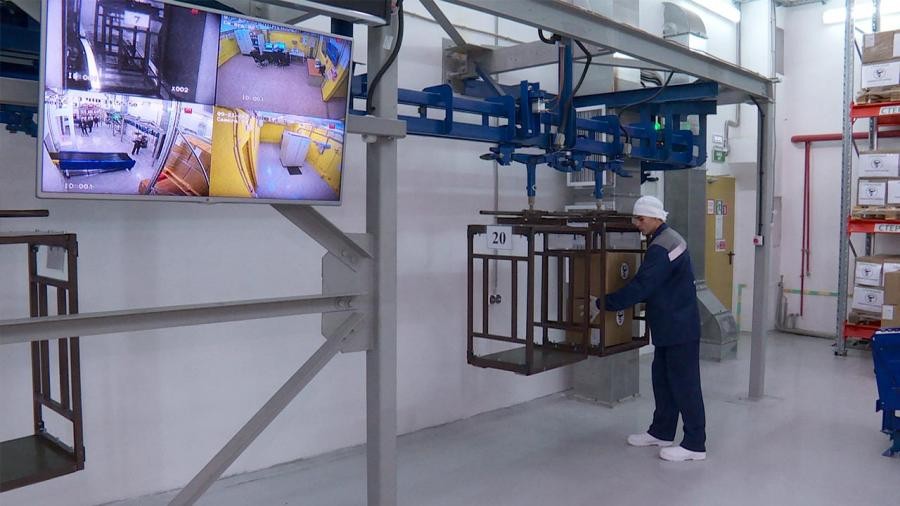
Russian researchers have recently proposed a rapid bacterial detection method for determining optimal doses of ionizing radiation for animals. Related studies suggest that low-dose radiation in the range of tens to hundreds of milligrays (mGy) may activate physiological processes such as metabolism, growth, and biomass accumulation, offering new technical approaches for livestock farming, veterinary medicine, and related fields. The ionizing radiation food processing center at the L.Ya. Karpov Institute of Physical Chemistry in Obninsk. Photo: Kaluga Region State Television and Radio Broadcasting Company. In response to this direction, the National Research Nuclear University MEPhI (Moscow Engineering Physics Institute)...
2026-08-13