
Search Results
Keyword:nuclear power plant cooling
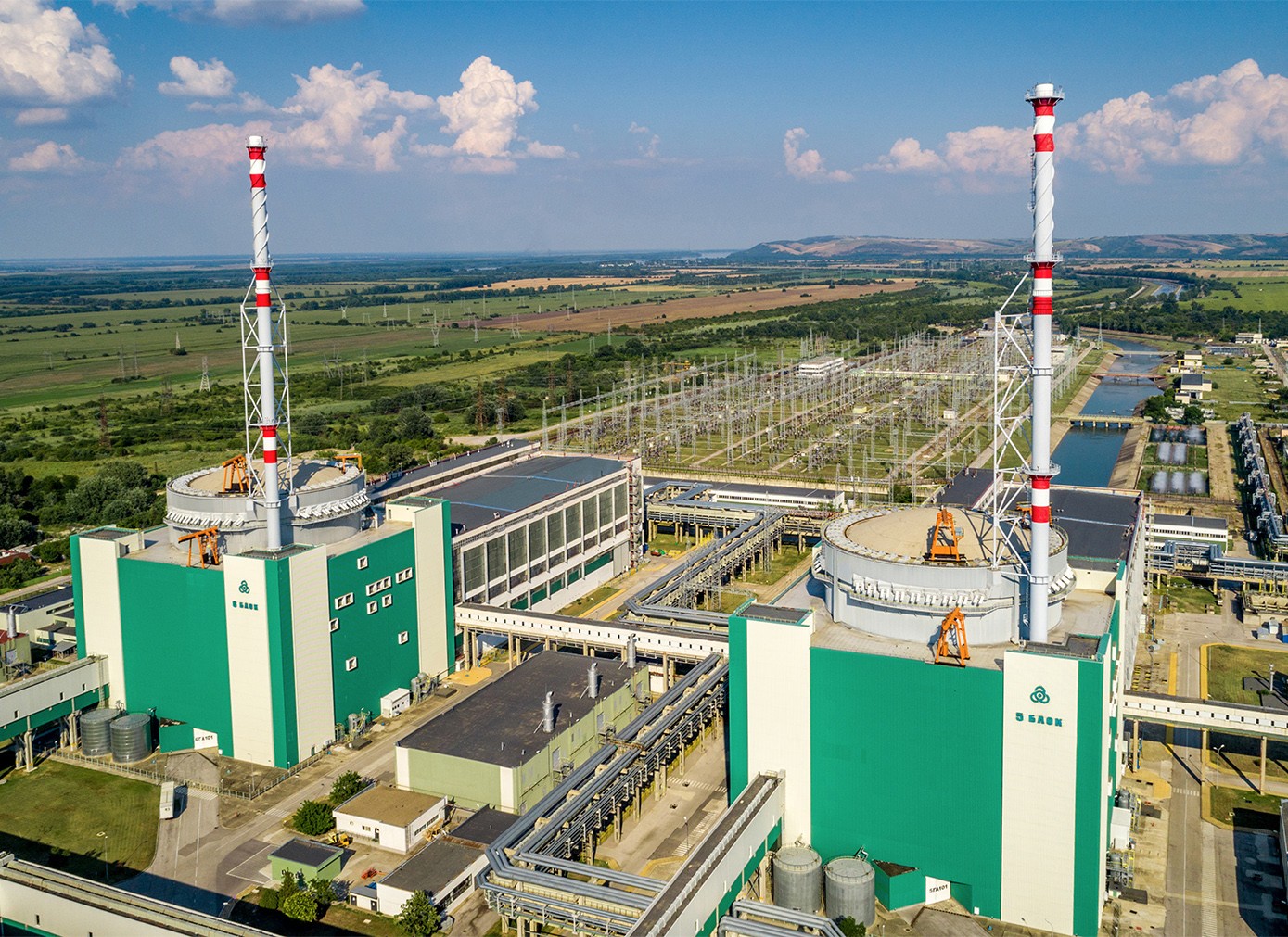
Bulgaria to Build Danube Weir to Secure Cooling at Kozloduy Nuclear Power Plant
Bulgaria plans to construct a weir approximately 250 to 300 meters long on the Danube River near the Kozloduy Nuclear Power Plant to ensure the stable operation of the plant's cooling system. Bulgarian Energy Minister Eva Petrova stated that the construction work is expected to take 10 to 15 days, with preliminary preparations already completed. Petrova noted that, due to the persistently low water level of the Danube, the Bulgarian side made this decision after analyzing hydrological conditions and conducting hydraulic model simulations. The weir will be used to improve water intake conditions for the nuclear power plant, ensuring the water supply required for the cooling system. Previously, due to the declining water level of the Danube, Unit 5 of the Kozloduy plant had its power output reduced by 120 megawatts to avoid potential operational risks...
2026-08-25
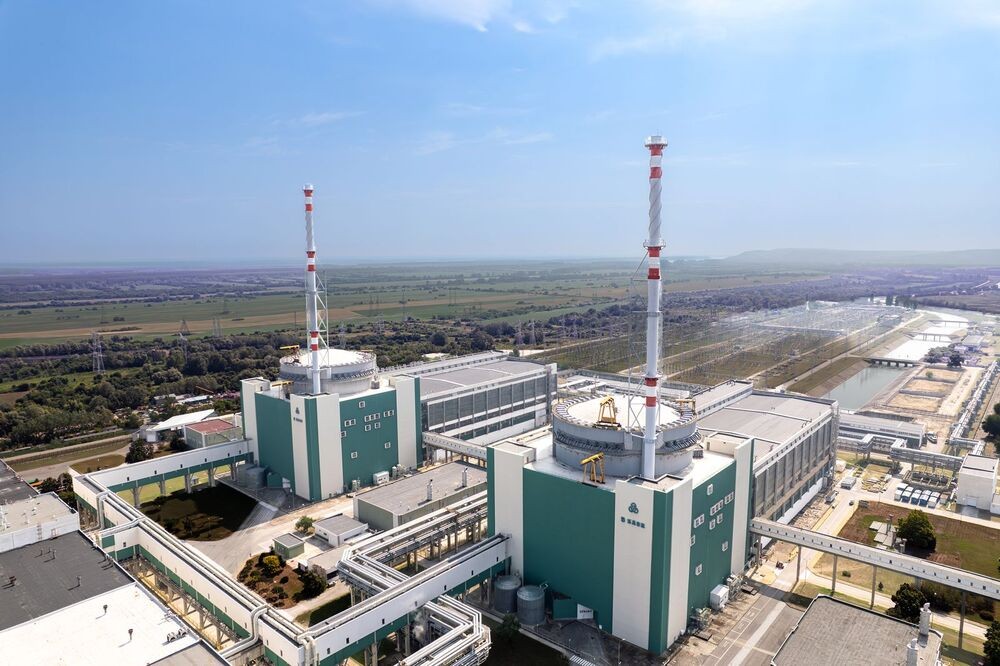
Bulgaria's Kozloduy NPP Addresses Challenges of Low Danube River Water Levels
Bulgaria's Ministry of Energy stated on August 16 that the Kozloduy NPP is currently operating as planned. In response to the persistently rare low water levels in the Danube River, the plant has further studied and implemented preventive arrangements based on existing technical and organizational measures to ensure stable unit operation under complex hydrological conditions. The Bulgarian Ministry of Energy stated that the Kozloduy NPP has established a dedicated working group to evaluate various options for ensuring the plant's normal operation, with a focus on facilities related to the riverbank pumping station. The working group is continuously optimizing the riverbank pumps, reactor unit cooling systems, spent fuel storage facilities, and the overall water...
2026-08-17

Hungary Plans to Sink Two Barges Near Paks Nuclear Power Plant to Raise Danube Water Level
Hungarian authorities plan to conduct controlled sinking of two giant barges, each about 80 meters long, in the river section near the Paks Nuclear Power Plant on August 14, aiming to raise the local water level of the Danube and ensure cooling water supply for the nuclear power units. According to European sources, after the two barges are sunk, the water level in the relevant river section is expected to rise by about 20 centimeters. Recently, persistent high temperatures across many parts of Europe have driven the Danube's water level to a low point, putting pressure on water intake and power generation along the river. The Paks Nuclear Power Plant is the only operating nuclear power plant in Hungary. Due to the low water level of the Danube, the plant's power output has dropped to about 25% of its installed capacity. Earlier this week, Hungarian authorities also announced plans to build a riverbed weir on the Danube. Under current expectations, the project could raise the water level in the relevant river section by about 1 meter.
2026-08-15
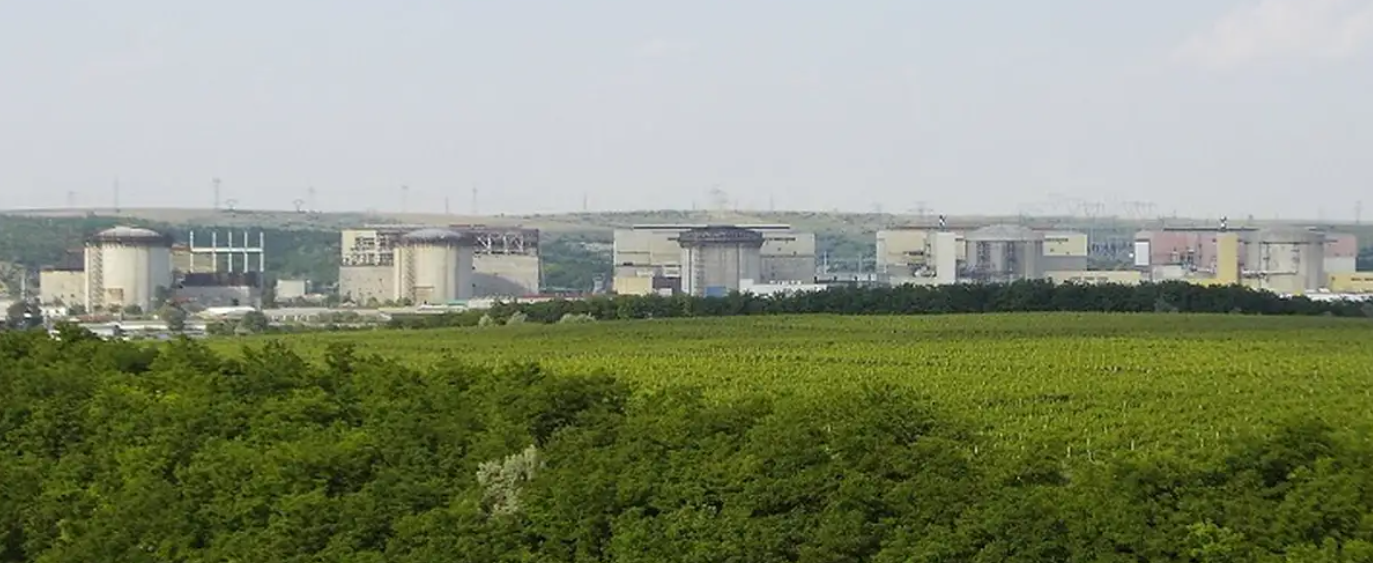
Romania's Cernavoda Nuclear Power Plant to Shut Down Due to Falling Danube River Levels
Romania's Ministry of Energy announced on the 12th local time that, due to current hydrological conditions, Unit 2 of the Cernavoda Nuclear Power Plant will undergo a controlled shutdown starting on the 13th. Cernavoda is Romania's only nuclear power plant, and this shutdown will mark the first time the plant has been completely taken offline since 2003. The Cernavoda plant has two units, with Unit 1 already shut down at the end of last month. The plant accounts for approximately one-fifth of Romania's electricity generation. Romanian authorities had previously taken engineering measures to delay the shutdown of Unit 2, including dredging relevant sections of the Danube River, blasting and removing underwater rock obstacles, clearing the riverbed, and sinking barges loaded with crushed stone into the river channel to adjust water flow conditions. These operations involved an investment of over 2 million euros.
2026-08-13
Danube Water Levels Recover, Hungary Restarts Second Turbine at Paks Nuclear Power Plant
On August 10, as the Danube River's water levels recovered, Hungary began restarting a previously constrained turbine at the Paks Nuclear Power Plant. The Paks plant uses Danube water for cooling and normally supplies nearly half of Hungary's electricity. Due to heatwaves and persistent drought, the Danube's water levels fell to historic lows in recent weeks, reducing the plant's generating capacity to about 10%, with only one of its eight turbines remaining operational. According to available information, Hungarian Prime Minister Péter Magyar stated on the 10th that the Danube's water level had risen 19 centimeters from the low point recorded last week, and that restart work on the second turbine at the Paks plant had begun, with power generation expected to resume by Monday evening. He also previously mentioned...
2026-08-11

Russian nuclear power plants generate 129.6 billion kWh of electricity this year
Alexey Likhachev, CEO of Rosatom, recently stated that since the beginning of this year, Russian nuclear power plants have generated a cumulative total of 129.6 billion kWh of electricity, exceeding the target set by the Federal Antimonopoly Service of the Russian Federation by 7.8%. Likhachev noted that Russia is currently in its summer peak electricity consumption period, and nuclear power plants across the country are operating normally overall, with stable power generation and all safety requirements being met. He stated that hot weather does require operating entities to pay greater attention to cooling and heat reduction measures, but this is a seasonal factor that must be addressed in nuclear power plant operations. He pointed out that Russian nuclear power plants have fully considered different climatic conditions during their design and operation phases...
2026-08-08
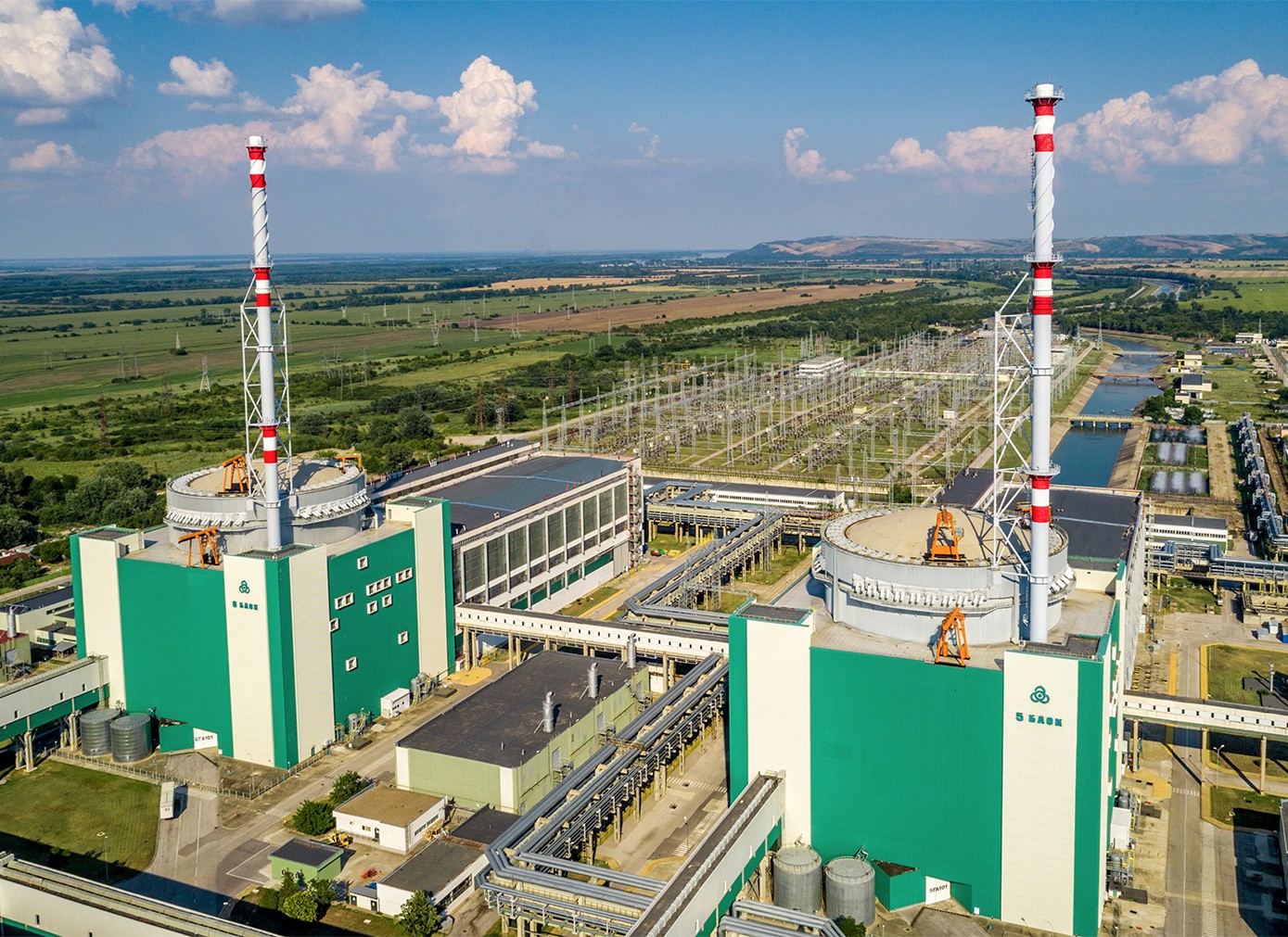
Bulgarian Energy Minister to Inspect Unit Operations at Kozloduy Nuclear Power Plant
Bulgaria's Ministry of Energy announced on August 3 that Energy Minister Iva Petrova will visit the Kozloduy Nuclear Power Plant on August 4. Experts from the Ministry of Energy, along with representatives of the management of Bulgarian Energy Holding (BEH) and the Electricity System Operator (ESO), will accompany her. According to the Bulgarian Ministry of Energy, the visit will focus on understanding the current operational status of Units 5 and 6 at the Kozloduy Nuclear Power Plant, assessing the impact of the abnormally low Danube River water level on plant operations, and reviewing measures taken by the Ministry to ensure the security of Bulgaria's electricity system. On August 2, the Bulgarian Ministry of Energy stated that despite the Danube River water level dropping to a historic low, the two nuclear units at the Kozloduy Nuclear Power Plant...
2026-08-04
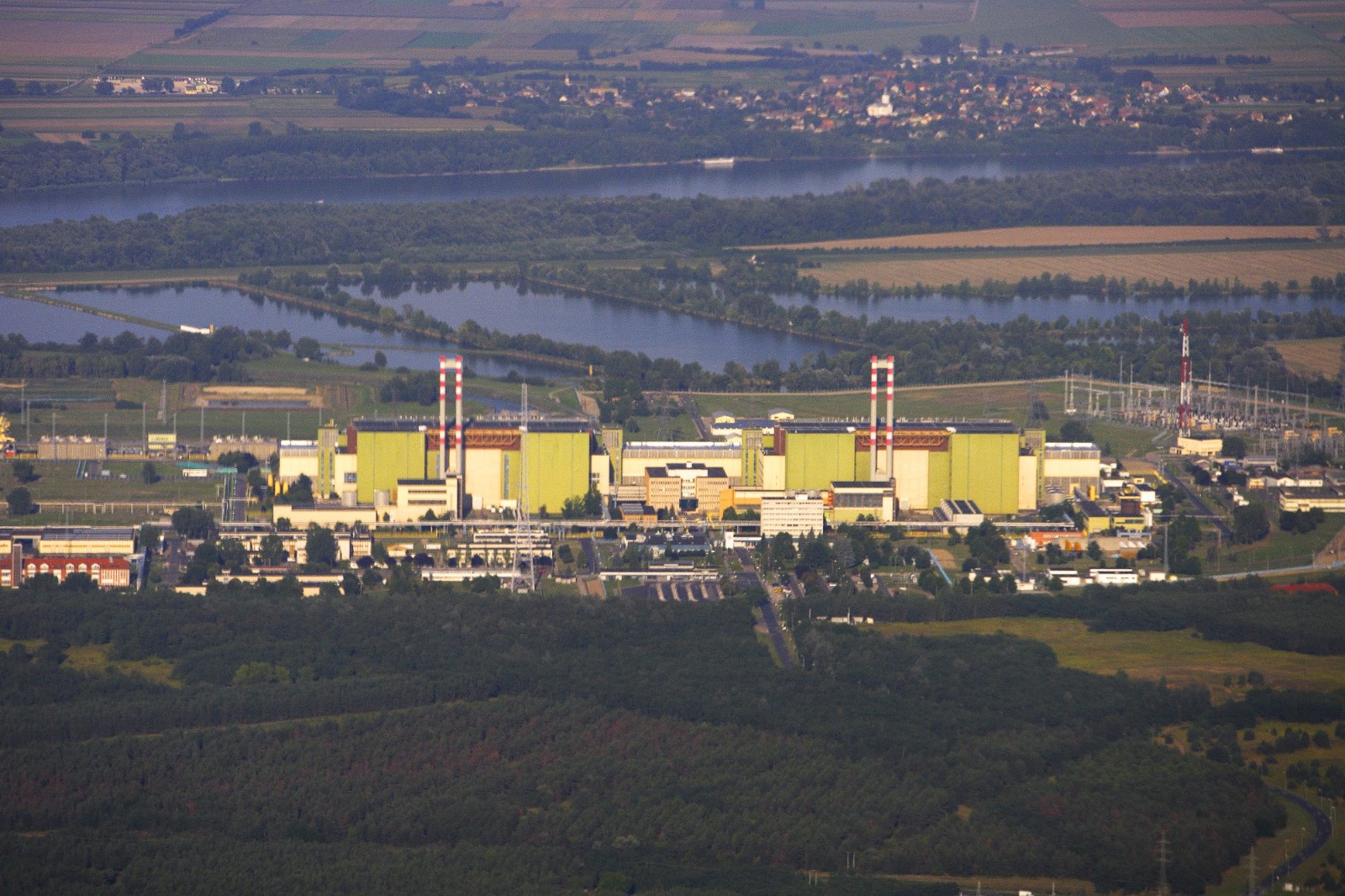
Danube water levels continue to decline, Unit 4 of Hungary's Paks Nuclear Power Plant reduces power output
Affected by persistent drought, water levels of the Danube in Hungary have dropped to low levels, impacting the operation of the Paks Nuclear Power Plant, which relies on Danube water for cooling. The plant's operator announced on July 31 that, due to a further drop in the water level at the Paks section to -126 cm, experts would reduce the power output of Unit 4 by 50% starting from 22:45 local time on July 31. The Paks Nuclear Power Plant is Hungary's only operating nuclear power plant, generating approximately half of the country's total electricity. Earlier announcements had mentioned that, due to the extremely low Danube water level, shutdowns of some units at the plant had become difficult to avoid. Peter Magyar stated on social media on July 30...
2026-08-01