
Search Results
Keyword:quark-gluon plasma
CERN Large Hadron Collider Data Challenge Models of Oxygen and Neon Nucleus Structure
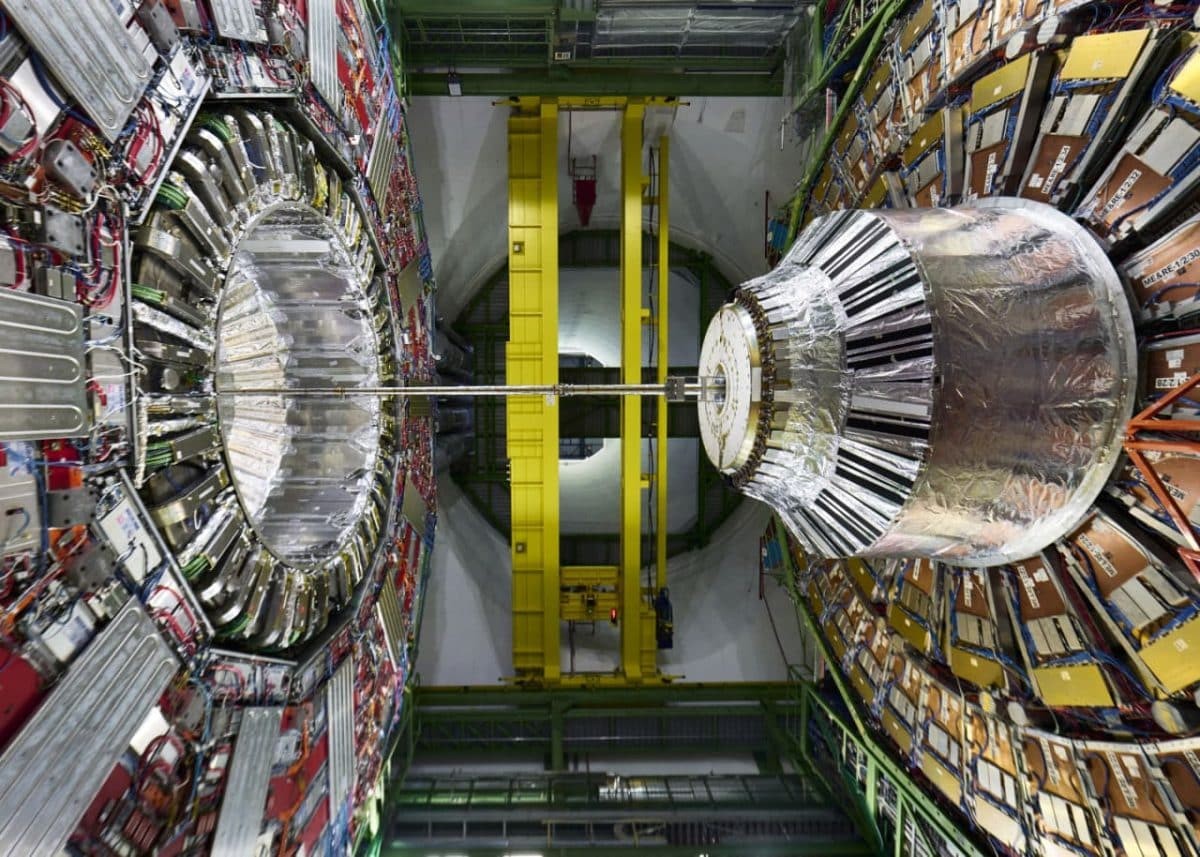
Physicists at the European Organization for Nuclear Research (CERN), analyzing a new batch of collision data from the CMS detector at the Large Hadron Collider, have found that oxygen and neon nuclei do not behave entirely as predicted by existing models in high-energy collisions. This result indicates that the scientific community's understanding of the shapes and internal structures of certain light nuclei still requires further refinement. In high-energy nuclear collisions, a quark-gluon plasma is briefly formed in the collision region. This state of matter decays rapidly, but the collective flow characteristics of its particles can be used to infer the collision geometry and indirectly provide information about nuclear structure. Researchers believe that symmetric collisions of light ions help better control the initial collision conditions, making them suitable for studying collective responses in small systems.
2026-08-24
Unveiling Extreme Heat: Z Boson Probes New Mechanisms of the "Hottest Matter in the Universe"
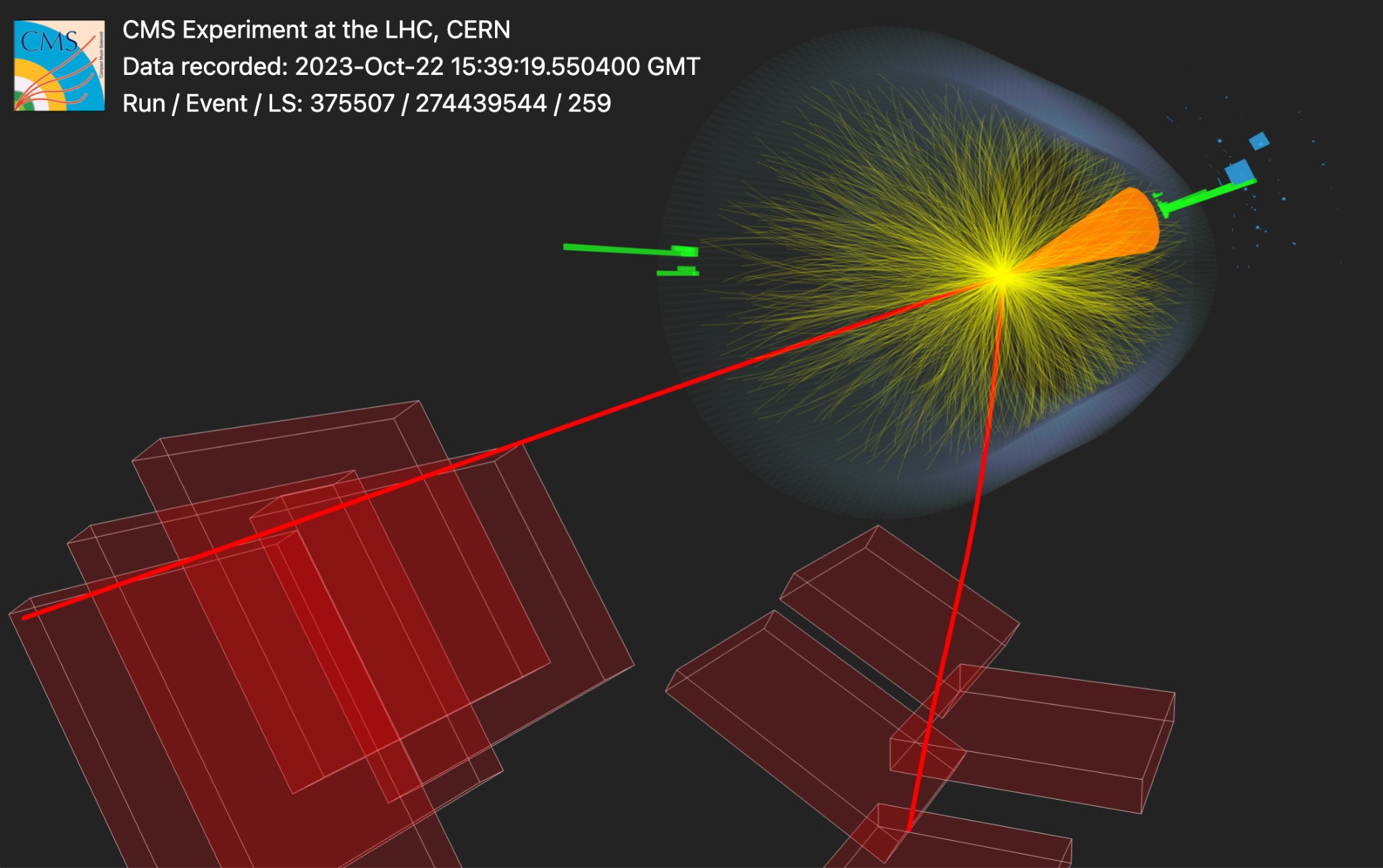
Using Z boson probes at the Large Hadron Collider (LHC), scientists have revealed new details about how the hottest matter in the universe—the quark-gluon plasma (QGP)—absorbs energy, challenging existing theoretical models. This research provides important clues for understanding the state of the early universe shortly after the Big Bang. To gain deeper insights into the QGP, physicists cleverly employ Z bosons as messengers. Since Z bosons do not interact with the QGP, they can traverse the plasma almost unaffected, precisely recording information about the initial state. By analyzing the momentum differences between μons produced from Z boson decays and their recoiling jets, scientists were able to determine the energy lost by quarks as they traverse the QGP...
2026-08-04