Radioactivity Levels in Arctic Archipelagos Within Background Range, Russian Research Team Reports No Anomalies
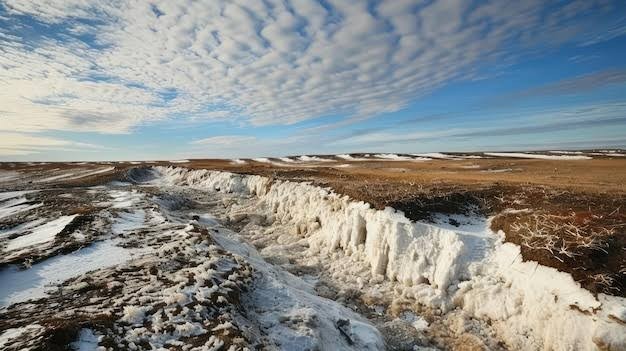
On August 13, Andrei Puchkov, senior researcher at the Environmental Radioactivity Laboratory of the N.P. Laverov Federal Arctic Integrated Research Center, Ural Branch of the Russian Academy of Sciences, stated that measurements taken during the 2026 Arctic Floating University expedition's landings on Novaya Zemlya and Franz Josef Land showed very low radioactivity levels, with no anomalies detected. Puchkov noted that the expedition measured radon concentrations at all landing sites, with radon flux densities ranging from below 1 millibecquerel per square meter per second to 200 millibecquerels per square meter per second, all recorded values remaining within background levels. He indicated that permafrost acts as a barrier and shield in the region, preventing radioactive gases from reaching the surface; relatively higher radon fluxes in some areas may be associated with geological features such as fault zones and fracture zones.
2026-08-14