
Brazilian nuclear industry company starts fuel production for Angra 2's 22nd refueling
 Scan to share
Brazilian Nuclear Industries (INB) has started production of nuclear fuel required for the 22nd refueling of Unit 2 at the Angra Nuclear Power Plant (Angra 2). On July 28, INB completed the assembly of the first fuel assembly at the Nuclear Fuel Factory (FCN) in Resende, Rio de Janeiro State; on July 30, the fuel assembly passed all established quality inspections in the production process and was certified.
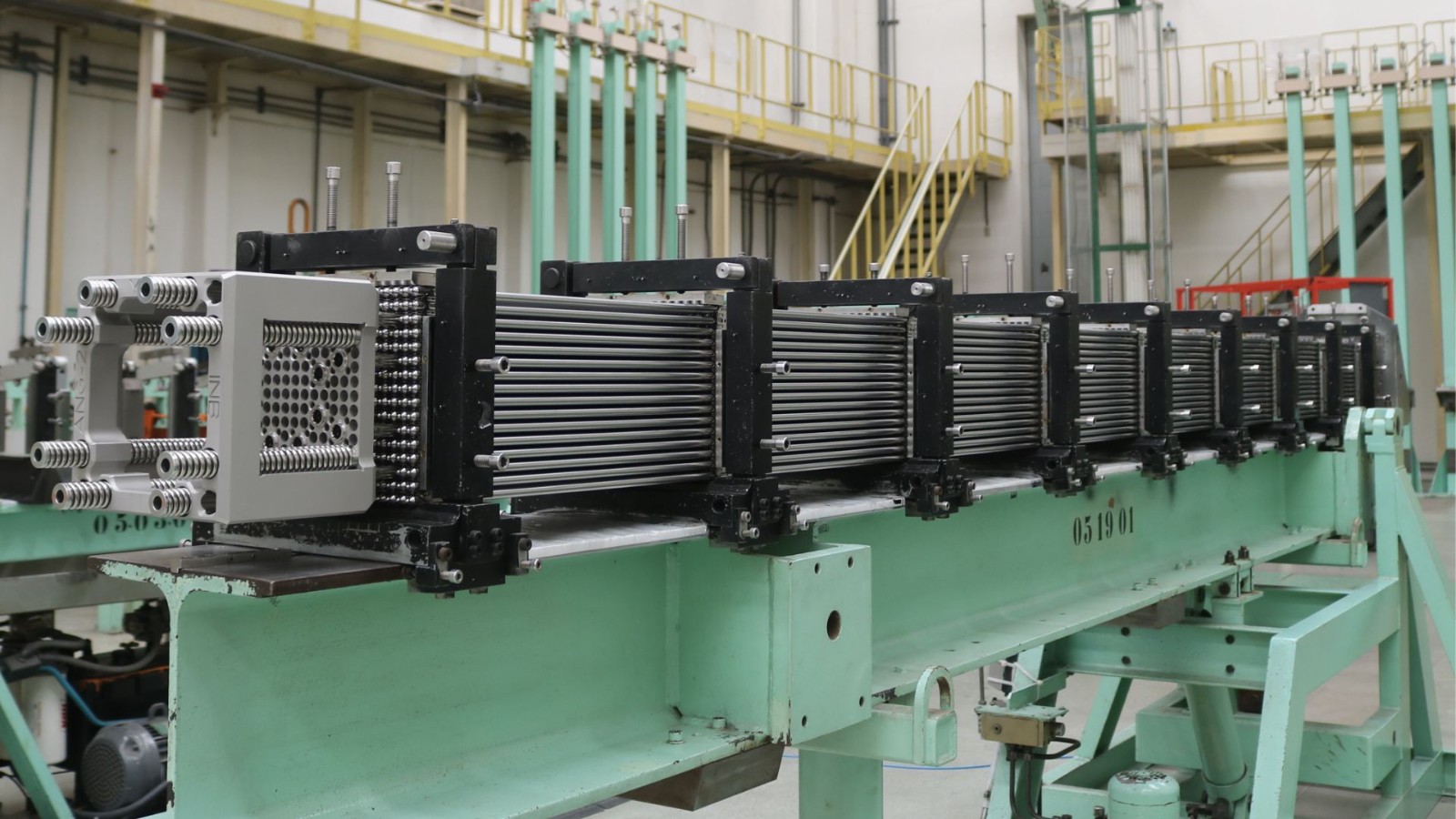
According to the plan, INB will manufacture a total of 52 fuel assemblies for this refueling. The assembly work is expected to be completed in December 2026 and delivered to Eletronuclear in March 2027.
Recently, INB has made progress in several key stages of the nuclear fuel manufacturing chain. On July 28, approximately 240 tons of enriched uranium hexafluoride (UF6) completed transportation to the Resende Nuclear Fuel Factory. The material was supplied by TENEX, a subsidiary of Russia's Rosatom, and was unloaded at the Port of Rio de Janeiro before being transported to the factory.
On July 7, INB also received 390 gadolinium-doped uranium fuel rods. These fuel rods were manufactured in Germany by France's Framatome and entered Brazil via the Port of Rio de Janeiro, then were transferred to the Nuclear Fuel Factory in accordance with safety procedures.
Unlike the fuel rods conventionally produced by INB, which are loaded only with enriched uranium dioxide (UO₂) pellets, some pellets inside the gadolinium-doped uranium fuel rods are made of a mixture of uranium dioxide and gadolinium oxide. Gadolinium oxide absorbs some of the neutrons produced during the nuclear reaction, helping to regulate reactor reactivity during the initial phase of fuel operation and maintaining stable unit operation. As operating time increases, its absorption effect gradually diminishes, helping to maintain reactivity balance throughout the fuel cycle.
Uranium hexafluoride is an important intermediate form in nuclear fuel production. After entering the Nuclear Fuel Factory, UF6 undergoes a conversion process to produce uranium dioxide powder, which is then processed into fuel pellets, loaded into fuel rods, and ultimately assembled into fuel assemblies for use in reactor power generation.
Unit 2 at Angra typically undergoes refueling approximately every 14 months. During refueling, the unit is shut down and approximately one-third of the fuel assemblies are replaced, while system inspections and maintenance are carried out; the remaining fuel assemblies stay in the core for use in subsequent operating cycles.
Disclaimer: Information republished from partner media, institutions or other websites is provided for reference and communication purposes only. It does not imply endorsement of its views or verification of its accuracy. Please contact us if any content infringes rights or requires correction.