
North Gyeongsang Province, South Korea, increases temporary radiation disaster shelters to 96
 Scan to share
North Gyeongsang Province announced on August 11 that it has increased the number of temporary radiation disaster shelters from 56 to 96 to enhance resident evacuation and accommodation capabilities in nuclear accident scenarios.
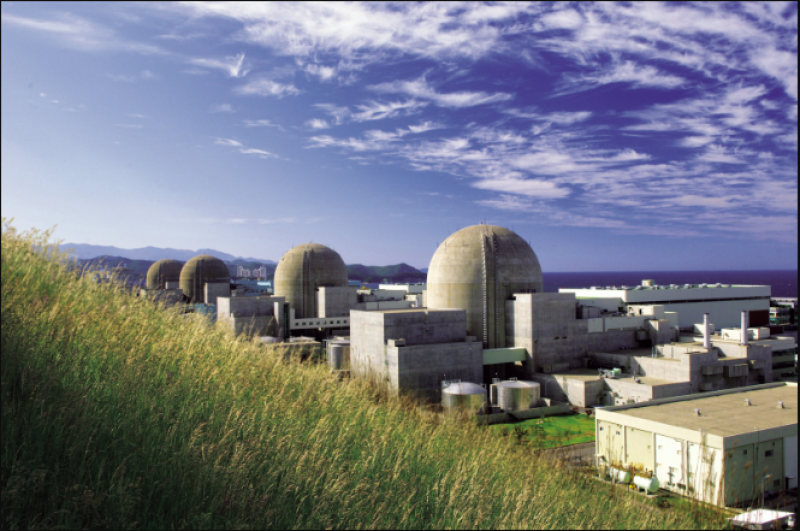
The expansion primarily targets the areas surrounding Uljin County, where the Hanul Nuclear Power Plant is located, focusing on addressing the shortage of nearby accommodation capacity and strengthening the reception capability for evacuees in areas related to the Hanul radiation emergency planning zone, including Uljin, Yeongyang, and Bonghwa.
Previously, due to limited shelter capacity in Uljin County, approximately 33,000 people were expected to require evacuation in the event of a nuclear accident, while local shelters could only accommodate about 13,000 people. To meet accommodation needs, Uljin County also had to utilize 5 shelters in Gyeongju and 2 in Pohang, with long-distance transfers being unfavorable for rapid evacuation.
To address this issue, North Gyeongsang Province leveraged the expanded conditions of the Hanul Nuclear Power Plant radiation emergency planning zone and consulted with Yeongyang County and Bonghwa County to add a new batch of temporary accommodation facilities. After the adjustment, North Gyeongsang Province now has a total of 96 temporary radiation disaster shelters, including 14 in Uljin, 14 in Yeongyang, 20 in Bonghwa, 13 in Pohang, and 35 in Gyeongju.
Temporary radiation disaster shelters are facilities used for the temporary accommodation and relief of residents in the event of a radioactive material leakage accident at a nuclear power plant, primarily serving to ensure the basic living needs of affected residents during the emergency phase. In accordance with South Korea's Disaster Relief Act and guidelines for establishing disaster relief plans, such facilities are typically designated at locations such as schools and gymnasiums within a 30-kilometer radius of the nuclear power plant.
Kim Mi-kyung, Director of the Energy Industry Bureau of North Gyeongsang Province, stated that the province will make every effort to ensure the safety of residents' lives and property by strengthening information dissemination, routine management, and disaster response drills for the expanded temporary accommodation facilities.
Disclaimer: Information republished from partner media, institutions or other websites is provided for reference and communication purposes only. It does not imply endorsement of its views or verification of its accuracy. Please contact us if any content infringes rights or requires correction.